Choosing braces as an adult involves more than deciding how straight you want your teeth to look. The type of orthodontic treatment you select can affect your appearance, comfort, eating habits, oral hygiene routine and overall treatment experience. Some adults prefer discreet options that are barely noticeable during professional or social interactions, while others prioritise effectiveness, affordability and the ability to correct more complicated alignment problems.
Age is another important consideration, particularly for parents deciding when their children should have their first orthodontic assessment. Although teenagers commonly receive braces, orthodontic treatment is not limited to younger patients. Adults can also achieve meaningful improvements when their teeth and gums are healthy.
Understanding the differences between traditional metal braces, ceramic braces, lingual braces and clear aligners makes it easier to identify a suitable option. This guide compares the main treatment choices and explains how age, dental development and individual requirements influence the decision.
What Makes One Type of Braces Better Than Another?
There is no single orthodontic appliance that works equally well for everyone. The right choice depends on the complexity of the alignment problem, bite correction requirements, personal preferences and willingness to follow treatment instructions.
Before comparing options, consider these important factors:
- Appearance: Some braces are more noticeable than others, which can influence an adult’s preference.
- Treatment requirements: Severe crowding, significant bite problems and complicated tooth movements may require fixed appliances.
- Maintenance: Removable aligners need regular cleaning and consistent wear, while fixed braces require careful brushing around brackets and wires.
- Comfort: Every orthodontic appliance can cause temporary pressure or irritation, although the experience varies between individuals.
- Cost: Treatment prices depend on the orthodontist, location, treatment duration and appliance selected.
The American Association of Orthodontists (AAO) emphasises that treatment should be planned around the patient’s individual orthodontic needs rather than appearance alone.
4 Best Types of Braces for Adults
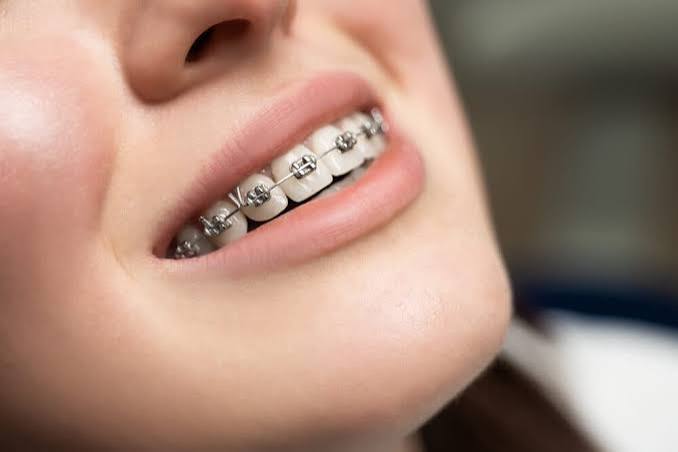
1. Traditional Metal Braces
Traditional metal braces remain a widely used option for correcting different types of orthodontic problems. They consist of stainless-steel brackets attached to individual teeth and connected by wires that apply controlled pressure to gradually reposition them.
Why consider them: Metal braces can address complex alignment issues, including substantial crowding, spacing and bite problems. They also allow orthodontists to make adjustments throughout treatment.
Advantages:
- Suitable for many complicated orthodontic cases.
- Fixed in position, so patients do not need to remember to wear them.
- Generally more affordable than some discreet alternatives.
Limitations: Their metallic appearance is noticeable, and food particles can collect around brackets. Patients must also avoid certain hard and sticky foods.
Best suited for: Adults who prioritise treatment flexibility, reliability and affordability over appearance.
2. Ceramic Braces
Ceramic braces work similarly to traditional metal braces but use tooth-coloured or translucent brackets. This makes them less noticeable, particularly when viewed from a normal conversational distance.
For adults who want the effectiveness of fixed orthodontic treatment without prominent metal brackets, ceramic braces deserve consideration.
Why consider them: They combine the fixed-brace approach with a more discreet appearance. Depending on the case and appliance design, they can address many of the same alignment concerns as metal braces.
Advantages:
- Less visually prominent than conventional metal braces.
- Fixed throughout treatment.
- Suitable for several types of alignment corrections.
Limitations: Ceramic brackets can be more fragile than metal alternatives. They may also cost more, and certain elastic components can become discoloured.
Best suited for: Professionals and adults who want less noticeable fixed braces without switching to a removable system.
3. Lingual Braces
Lingual braces use brackets and wires fitted to the back surfaces of the teeth rather than the front. This positioning makes them difficult to see during ordinary conversations.
They can be attractive to adults who want fixed orthodontic treatment but prefer not to display visible brackets.
Why consider them: Their position provides a discreet treatment approach while allowing orthodontists to perform controlled tooth movements.
Advantages:
- Hidden behind the teeth.
- Fixed appliance with continuous treatment action.
- Can address a range of orthodontic problems.
Limitations: They can be more expensive, require specialised expertise and initially affect tongue comfort or speech. Cleaning around the brackets can also be challenging.
Best suited for: Adults who place a high priority on appearance and are comfortable with the additional cost and adjustment period.
4. Clear Aligners
Clear aligners are removable, transparent trays designed to move teeth gradually. Invisalign is one of the recognised commercial systems in this category.
Patients receive a series of custom-made trays, with each set applying controlled pressure to specific teeth. The aligners are removed when eating, drinking anything other than water and cleaning the teeth.
Why consider them: Their transparent appearance and removable design make them convenient for many adults who want a less noticeable treatment option.
Advantages:
- Less noticeable than conventional fixed braces.
- Removable during meals and oral hygiene.
- No fixed brackets or wires to clean around.
Limitations: Patients generally need to wear aligners for approximately 20 to 22 hours daily, depending on their prescribed treatment plan. They can also be misplaced, and not every complicated orthodontic case is suitable for aligner treatment.
Best suited for: Adults with suitable alignment problems who can consistently follow their orthodontist’s instructions.
Comparison of Adult Braces
The following comparison highlights the practical differences between the four main options.
| Type | Appearance | Removable | Main advantage |
| Metal braces | Highly visible | No | Versatile treatment |
| Ceramic braces | Less noticeable | No | Discreet fixed option |
| Lingual braces | Hidden behind teeth | No | Minimal visible hardware |
| Clear aligners | Nearly transparent | Yes | Flexible daily routine |
There is an important distinction between the best clear braces and clear aligners. Ceramic braces use brackets attached to the teeth, whereas clear aligners use removable plastic trays. Both offer a less noticeable appearance, but their treatment methods and suitability differ.
For adults with more complicated bite problems, fixed braces may offer greater treatment control. For selected mild to moderate alignment concerns, clear aligners may be appropriate. An orthodontic examination is necessary before making that decision.
What Is the Best Type of Braces for Adults?
The answer depends on what matters most to the individual.
- For affordability: Traditional metal braces are often a practical starting point.
- For a discreet fixed appliance: Ceramic braces provide a less noticeable alternative.
- For minimal visibility: Lingual braces are worth discussing with a specialist.
- For flexibility: Clear aligners can suit adults who prefer removable treatment.
If someone asks what is the best type of braces for adults, the most useful answer is the appliance that can safely achieve the required tooth movements while fitting the patient’s lifestyle and budget.
It is also worth remembering that an attractive appearance does not automatically make an appliance more effective. Treatment planning, orthodontist experience and patient cooperation are equally important.
What Is the Best Age to Get Braces?
There is no universal age at which everyone should receive orthodontic treatment. The timing depends on dental development, jaw growth and the type of problem being corrected.
For adults, there is generally no upper age limit. The British Orthodontic Society explains that teeth can be moved at different stages of life, provided the teeth and gums are healthy.
However, treatment planning can differ between adults and children. Younger patients may benefit from certain interventions while their jaws are still developing, whereas adult treatment focuses more on moving established permanent teeth.
What Is the Best Age for Children to Have Their First Orthodontic Check-Up?
The American Association of Orthodontists recommends that children have their first orthodontic check-up no later than age seven.
This recommendation is not an instruction to fit braces at seven. It gives an orthodontist an opportunity to examine developing teeth, jaw relationships and potential bite problems while the child is still growing.
Some children may benefit from early treatment, while others simply need occasional monitoring until more permanent teeth appear.
When Do Most Children Actually Get Braces?
Many children begin comprehensive orthodontic treatment between approximately 9 and 16 years of age, depending on their development and dental requirements.
The NHS identifies around 12 or 13 as a common age for braces because most permanent teeth have usually erupted by then. However, this is a general guideline rather than a strict requirement.
The best age for kids to get braces depends on whether early intervention is necessary or whether waiting for further dental development would produce a more suitable treatment outcome.
Adult vs Child Orthodontic Treatment
| Consideration | Children and teenagers | Adults |
| Jaw development | Still developing | Generally complete |
| Treatment timing | Often during permanent tooth eruption | Whenever clinically suitable |
| Early intervention | May help address developing problems | Focuses on existing dental conditions |
| Appliance choices | Fixed braces and selected removable appliances | Metal, ceramic, lingual and clear aligners |
| Main consideration | Dental and jaw development | Dental health and treatment goals |
Important Things to Check Before Choosing Braces
Regardless of age or appliance preference, a few considerations deserve attention before starting treatment.
1. Check gum and tooth health
Active gum disease, untreated cavities and poor oral hygiene should be addressed before orthodontic treatment. Braces can make cleaning more difficult, so a healthy starting point is important.
2. Understand the complete treatment plan
Ask how long treatment is expected to take, how frequently appointments are required and whether additional appliances or procedures might be necessary.
3. Compare the total cost
Do not compare treatment options using the initial fitting price alone. Ask whether adjustments, replacement aligners, emergency appointments and retainers are included.
4. Discuss retention after treatment
Teeth can gradually move after braces are removed. Retainers help maintain the corrected position, and wearing them according to professional instructions is an important part of long-term treatment.
5. Choose a qualified orthodontic professional Ask about the clinician’s orthodontic qualifications, experience with the proposed appliance and approach to managing complications.
Final Buying Advice: Which Braces Should You Choose?
Selecting orthodontic treatment becomes easier when you separate appearance preferences from actual dental requirements.
For an adult with relatively straightforward alignment concerns, clear aligners may offer a convenient and discreet approach. Ceramic braces are worth considering when fixed treatment is preferred but conventional metal brackets are undesirable. Metal braces remain a versatile choice for a wide range of orthodontic problems, while lingual braces offer an alternative for people who strongly prefer hidden appliances.
For parents, the priority should be arranging an orthodontic assessment by age seven rather than rushing into treatment. The orthodontist can determine whether early intervention is necessary or whether monitoring dental development is sufficient.
Ultimately, the best age to have braces and the most appropriate appliance depend on individual circumstances. A professional assessment, a clear understanding of treatment costs and realistic expectations will help patients make a more informed decision.

Leave a Reply