Category: Uncategorized

  • Best Time to Prune Maple, Oak, Pine and Other Trees

    Best Time to Prune Maple, Oak, Pine and Other Trees

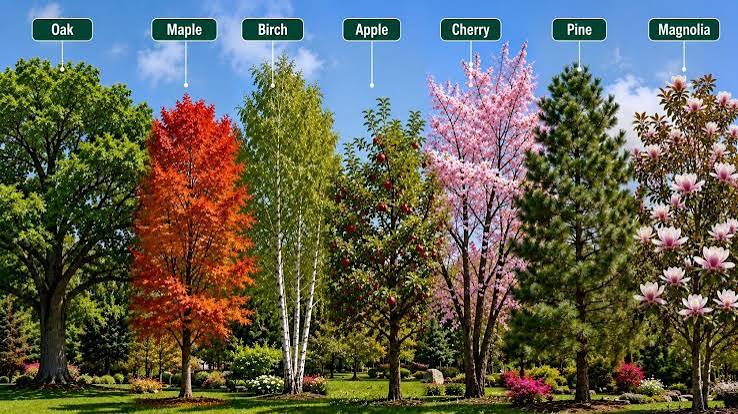
    Pruning trees at the right time of year can improve their structure, manage unwanted growth and remove branches that could become safety hazards. However, not every tree responds to pruning in the same way. Maple trees can release sap when cut during late winter, oak trees require special attention because of oak wilt disease, and pine trees are often trimmed by shortening their new seasonal growth.

    So, when is the best time of year to trim trees? For many deciduous shade trees, late winter or early spring, before new growth begins, is a suitable period. However, the ideal timing depends on the tree species, local climate and reason for pruning.

    When Is the Best Time of Year to Trim Trees?

    For most deciduous trees, late winter is a practical time for routine pruning. Trees are dormant, branches are easier to see without leaves, and homeowners can identify crossing, damaged or poorly positioned limbs.

    In colder regions, pruning is generally best scheduled after the harshest winter weather has passed but before buds begin opening. This gives homeowners a clear view of the tree while avoiding some of the risks associated with pruning during active spring growth.

    However, there are exceptions. Some trees are better pruned during summer, while others have specific disease-related restrictions. Dead, broken or hazardous branches may also need attention regardless of the season.

    The following guidelines explain the best timing for several common tree types.

    When Is the Best Time to Prune a Maple Tree?

    Maple trees are known for their seasonal sap flow. If branches are cut during late winter or early spring, some maple varieties may release noticeable amounts of sap from pruning wounds.

    This process is commonly called bleeding. Although the sight of sap dripping from a cut can be concerning, it generally does not cause significant harm to a healthy, established maple.

    If you want to avoid excessive sap flow, summer is often a good time to prune maple trees. Wait until the leaves have fully developed and the spring growth period has passed. Mid- to late summer is commonly recommended for routine shaping and branch removal.

    A few practical considerations include:

    • Remove dead, damaged or diseased branches whenever necessary.
    • Schedule major shaping work after spring leaf development.
    • Avoid heavy pruning during periods of extreme heat or drought.
    • Do not remove large portions of the canopy simply to control tree height.

    If sap bleeding is not a concern, dormant-season pruning can also be appropriate. The choice often comes down to the tree’s condition and the homeowner’s preference.

    When Is the Best Time to Prune Oak Trees?

    Oak trees require more careful timing because of oak wilt, a serious fungal disease that can spread through certain insects attracted to fresh wounds on oak trees.

    In areas where oak wilt is a concern, pruning during the warmer months can increase the risk of infection. For this reason, winter dormancy is generally the safest period for routine oak pruning.

    A practical recommendation is to schedule oak maintenance between late fall and early spring, with winter often preferred. Local guidance should determine the exact dates because disease activity and regional recommendations vary.

    When pruning an oak tree:

    • Avoid routine pruning during the growing season when oak wilt transmission is a concern.
    • Remove storm-damaged or dangerous branches when necessary.
    • Use clean, sharp pruning equipment.
    • Have large or potentially hazardous limbs assessed by a qualified arborist.
    • Check local extension guidance for oak wilt precautions.

    If a branch breaks during a storm, safety takes priority. Do not leave a dangerous limb in place simply because the timing is not ideal. Contact a professional if the damage involves large branches or the main trunk.

    Best Time to Trim Pine Trees

    Pine trees have a different growth pattern from most deciduous trees. They produce new seasonal shoots, commonly called candles, which extend before their needles fully develop.

    The best time to trim pine trees for controlling size or encouraging a denser appearance is generally during late spring or early summer, when the new candles are still developing.

    Rather than cutting through mature branches, selective pruning can shorten the current season’s new growth. The exact timing varies by pine species and local growing conditions.

    Keep these points in mind:

    • Trim new candles while they are still soft and before they have fully extended.
    • Avoid cutting deeply into older, bare wood because many pines do not produce new shoots from old branches.
    • Remove dead or broken branches when necessary.
    • Avoid topping pine trees to control their height.
    • Check the species-specific requirements before making substantial cuts.

    Many established pine trees need very little pruning. Removing dead or damaged branches and addressing occasional structural problems is often sufficient.

    Best Time to Prune Bradford Pear Trees

    Bradford pear trees are ornamental trees that produce white spring flowers. Like other trees in the rose family, pears can be vulnerable to fire blight, a bacterial disease that affects branches and shoots.

    For routine structural pruning, late winter or early spring before active growth is generally a suitable period. University of New Hampshire Extension specifically identifies ornamental pears as an exception to the usual spring-flowering tree pruning rule, recommending early spring to reduce the likelihood of fire blight transmission.

    The best time to prune Bradford pear trees is therefore generally during the dormant period, before new growth begins.

    Pruning can help remove weak, damaged or poorly positioned branches. Bradford pears are also known for narrow branch angles that can become weak as the canopy grows, making structural assessment important.

    However, avoid making unnecessary large cuts. If a mature tree has major splitting or structural weaknesses, a professional arborist should assess it.

    It is also worth considering that Bradford pear is a cultivar of Callery pear, an invasive tree in many parts of the United States. Homeowners replacing an aging Bradford pear may want to consider a suitable native or non-invasive alternative.

    Best Season to Prune Trees in Rochester, New Hampshire

    For homeowners searching for the best season to prune trees in Rochester, New Hampshire, late winter and early spring are useful starting points for many deciduous trees.

    New Hampshire’s cold winters make it important to consider both tree dormancy and the possibility of severe freezing temperatures. University of New Hampshire Extension advises leaving routine finishing cuts until late winter or early spring, close to the beginning of active growth. Its guidance also identifies early spring as an appropriate time for pruning ornamental pears to reduce fire blight concerns.

    A general seasonal guide for Rochester-area homeowners looks like this:

    Tree typeRecommended pruning period
    MapleMid- to late summer to reduce sap bleeding
    OakWinter dormancy, following local oak wilt guidance
    PineLate spring to early summer for candle pruning
    Bradford pearLate winter or early spring
    Most deciduous shade treesLate winter or early spring
    Dead or broken branchesAs needed throughout the year

    These are general guidelines rather than fixed dates. The exact window depends on the tree species, weather conditions and the purpose of pruning.

    When Is the Best Time to Cut Back Trees?

    The best time to cut back trees depends on whether you are removing damaged branches, shaping the canopy or controlling unwanted growth.

    For routine structural pruning, late winter is often a good choice for deciduous trees. It allows homeowners to see the branch arrangement clearly and make selective cuts before spring growth begins.

    Summer pruning can be useful when the goal is to slow vigorous growth or manage the size of certain established trees. Maple trees, for example, are often pruned after their spring growth has finished.

    Dead, diseased and broken branches are different. They can usually be removed as soon as they are identified, provided the work can be completed safely.

    One important rule is to avoid removing too much live growth at once. A common guideline is to remove no more than about one-quarter of a mature tree’s living canopy in a single year, although the appropriate amount varies with the tree’s condition and species. Some trees may tolerate less.

    Tree Pruning Mistakes Homeowners Should Avoid

    Even when the timing is correct, poor pruning technique can damage a tree.

    Topping the tree: Cutting the main trunk or major branches back indiscriminately can create weak regrowth and long-term structural problems.

    Making flush cuts: Cutting too close to the trunk removes the branch collar, which is important for the tree’s natural wound response. Make the final cut just outside this area.

    Leaving long stubs: Branch stubs can interfere with normal wound closure and may become entry points for decay.

    Removing too much foliage: Heavy pruning reduces the tree’s ability to produce and store energy. Work gradually rather than removing large amounts of healthy growth at once.

    Ignoring utility lines: Never attempt to prune branches near electrical wires. Contact the utility provider or a qualified tree-care professional.

    For large branches, mature trees and work that requires climbing or chainsaws, hiring a qualified arborist is generally the safer option.

    Final Thoughts

    The best time to prune trees depends on the species and the purpose of the work. Late winter or early spring is suitable for many deciduous trees, while maple trees are often pruned in summer to reduce sap bleeding. Oak trees are best pruned during dormancy where oak wilt is a concern, and pine trees are commonly trimmed by shortening their developing spring candles.

    For homeowners in Rochester, New Hampshire, local weather and University of New Hampshire Extension recommendations provide useful guidance when planning seasonal maintenance.

    Rather than following one schedule for every tree, identify the species, inspect its condition and choose the appropriate pruning window. Proper timing combined with careful cutting can help maintain healthy growth, improve tree structure and reduce the risk of avoidable damage.
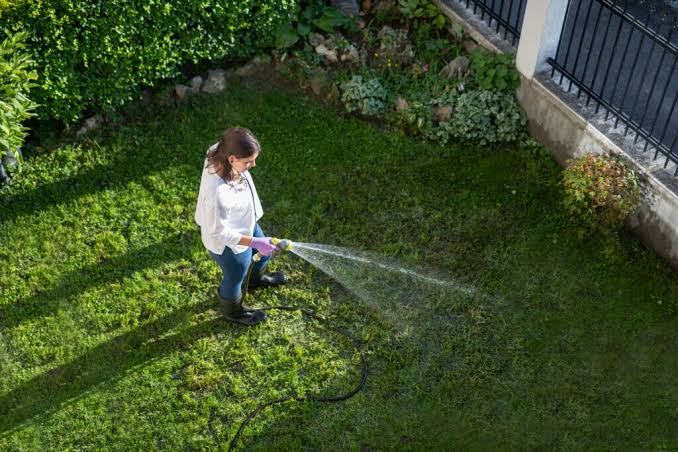
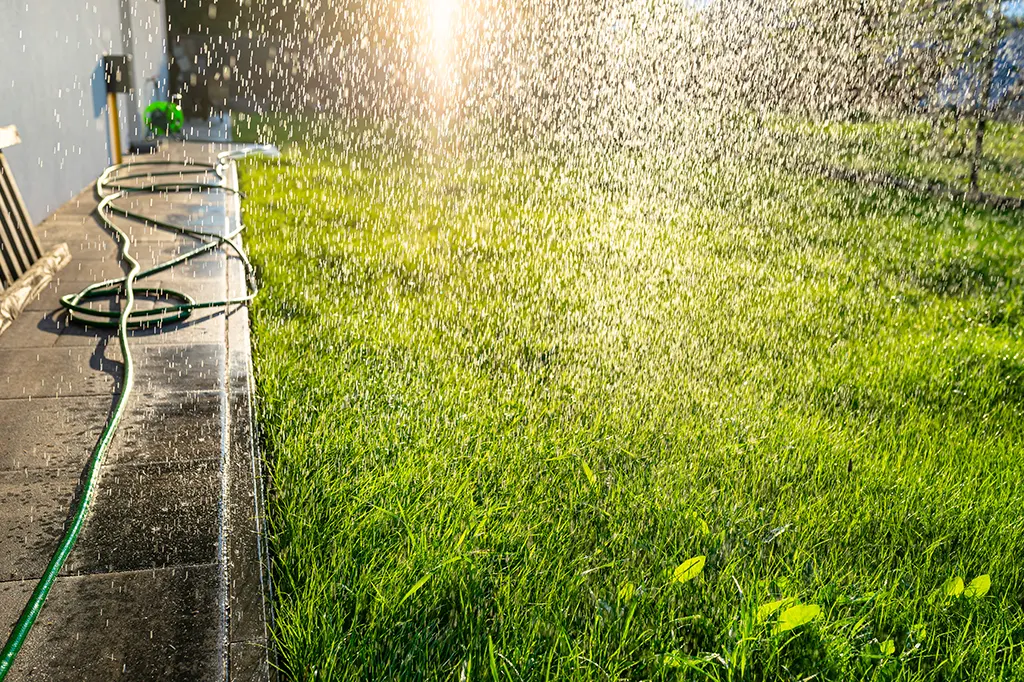
  • Best Ways to Water and Fertilize New Sod

    Best Ways to Water and Fertilize New Sod

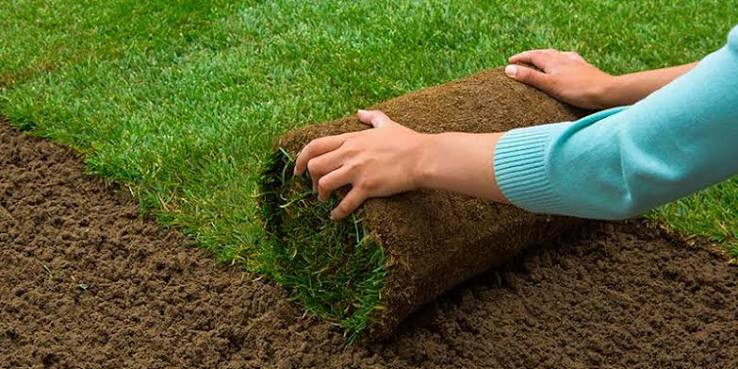
    Freshly installed sod can transform a bare yard into a green lawn almost immediately, but keeping it healthy requires careful attention during the first few weeks. New sod does not yet have an established root system connecting it to the soil underneath. Without enough moisture, the grass can dry out, turn brown and struggle to take hold. Applying too much fertilizer too early can create a different problem by encouraging growth before the roots are ready to absorb nutrients.

    The most important steps are to water consistently, check soil moisture rather than follow a rigid schedule, and fertilize only when the grass is ready. Understanding the best time to water sod and choosing the right fertilizer can make establishment easier and help create a stronger lawn.

    When Is the Best Time to Water New Sod?

    The best time to water an established lawn is generally early in the morning, before temperatures rise. Morning irrigation reduces water loss from evaporation and gives grass time to dry during the day.

    However, newly installed sod has a different priority. During establishment, keeping the grass and the soil beneath it moist is more important than following a particular watering hour. If the sod is laid during hot weather, it may need additional watering during the day to prevent drying.

    For most homeowners, an early-morning watering schedule is a useful starting point, with additional short sessions when heat, wind or dry soil conditions require them.

    Best Times to Water Sod During the Establishment Period

    The watering schedule should change as the roots begin growing into the ground. A practical approach is to divide the process into three stages.

    Establishment stageGeneral watering approachMain objective
    First 7 daysWater immediately after installation and keep sod consistently moist, often with daily or multiple short sessionsPrevent the grass and underlying soil from drying
    Days 8 to 14Continue regular watering, adjusting according to root development and weatherEncourage roots to connect with the soil
    Weeks 3 to 4Gradually reduce frequency and water more deeplyEncourage deeper root growth

    These timings are guidelines, not a fixed prescription. Hot, windy conditions and sandy soil may require more frequent watering, while rainfall, cooler weather and heavier soils can reduce the need.

    University extension guidance commonly recommends checking moisture beneath the sod rather than relying only on the appearance of the grass. Lift a corner of a few pieces to see whether the soil underneath is moist. The sod should not be sitting in muddy or permanently saturated ground.

    How Much Water Does New Sod Need?

    New sod needs enough water to moisten the grass layer and the soil directly beneath it. During the first irrigation, water thoroughly so moisture reaches both layers.

    The amount required depends on the thickness of the sod, soil type, sprinkler output and weather. Sandy soil drains quickly, while clay soil holds water longer. Applying the same amount to every lawn can therefore produce very different results.

    A few practical checks can help:

    • Lift a corner of the sod to inspect the soil underneath.
    • Check several areas, including edges and sunny sections.
    • Watch for bluish-gray grass or curling blades, which can indicate moisture stress.
    • Avoid puddles, runoff and constantly soggy soil.
    • Make sure sprinkler coverage reaches the entire lawn rather than only the middle.

    Mississippi State University Extension recommends using soil moisture and the appearance of the turf to guide irrigation, rather than relying on a universal watering duration.

    How to Water New Sod Correctly

    The equipment and watering method matter almost as much as timing. A sprinkler that covers the lawn evenly is often easier to manage than watering a large area with a hose.

    1. Water immediately after installation

    Do not wait until the entire lawn has been laid if installation is happening in sections. Water completed sections while the remaining sod is being installed. This reduces the risk of the exposed grass drying out.

    2. Use even sprinkler coverage

    Choose a sprinkler that suits the size and shape of the lawn. Move it when necessary to prevent dry patches. Pay particular attention to corners, edges and areas beside driveways or buildings.

    3. Check moisture beneath the grass

    The surface can look green while the soil underneath is dry. Lift small corners of sod in different locations to confirm that water is reaching the root zone.

    4. Reduce watering gradually

    Once the sod resists gentle lifting and roots begin entering the soil, start reducing watering frequency. Apply water more deeply rather than continuing frequent shallow sessions.

    5. Adjust for rainfall and weather

    Skip or reduce irrigation when rainfall has already supplied enough moisture. Increase monitoring during hot, dry or windy periods.

    What Is the Best Fertilizer for New Sod?

    The best fertilizer for new sod depends on the soil’s existing nutrient levels, grass variety and the fertilizer applied by the sod producer before harvest. There is no single product that is suitable for every installation.

    A starter fertilizer is often associated with new lawn establishment because it can supply nutrients that support early growth. Many starter products contain nitrogen, phosphorus and potassium, commonly displayed as an N-P-K ratio on the packaging.

    For example, an 18-24-12 fertilizer contains 18% nitrogen, 24% phosphate and 12% potash by weight. Its relatively higher phosphorus content is intended for situations where that nutrient is needed for establishment.

    However, phosphorus is not automatically necessary for every new lawn. If a soil test shows that phosphorus levels are already sufficient, adding more can be wasteful and may contribute to water pollution. A soil test is the most reliable way to determine whether a phosphorus-containing starter fertilizer is appropriate.

    Features to Look for in a Starter Fertilizer

    When comparing products, consider these characteristics:

    • Appropriate N-P-K ratio: Choose a formulation that matches the soil test and grass requirements.
    • Controlled-release nitrogen: Slow-release nitrogen can provide nutrients over a longer period instead of producing a sudden growth surge.
    • Suitable application rate: Follow the product label and local lawn recommendations rather than applying extra fertilizer.
    • Grass compatibility: Confirm that the product is suitable for the specific turfgrass variety.
    • Clear instructions: The label should explain application rates, timing and watering requirements.

    A starter fertilizer should be selected based on actual nutrient needs, not simply because the packaging says it is designed for new lawns.

    When Should You Apply the Best New Sod Fertilizer?

    One of the most common mistakes is fertilizing immediately after installation without checking whether the sod needs additional nutrients.

    Commercial sod is usually fertilized during production. It may therefore contain enough nutrients to support the grass during its initial establishment period.

    Many university extension recommendations suggest waiting around four weeks before applying additional fertilizer. Some recommend waiting 30 to 60 days, depending on grass type, local conditions and the previous fertilizer treatment.

    Before applying anything, ask the sod supplier when the grass was last fertilized and check the soil test results. If the lawn is establishing normally, there may be no reason to rush.

    Once the sod has rooted, choose a suitable fertilizer and apply it at the recommended rate. Water according to the product instructions, taking care not to wash fertilizer into drains or paved areas.

    Best Fertilizer for New Zoysia Sod

    Zoysia is a warm-season grass valued for its dense growth and ability to form a relatively durable lawn. It generally establishes best during warm growing conditions, but its fertilizer requirements should still be based on soil conditions and the variety being grown.

    The best fertilizer for new Zoysia sod is not necessarily the product with the highest nitrogen or phosphorus content. A balanced approach is more useful.

    Consider these points when choosing fertilizer for new Zoysia:

    • Test the soil before selecting a fertilizer.
    • Avoid unnecessary phosphorus if the soil already contains enough.
    • Allow the sod to begin rooting before applying additional nitrogen.
    • Choose a product labeled for Zoysia or suitable warm-season turfgrass.
    • Apply fertilizer while the grass is actively growing, following local recommendations.
    • Avoid excessive nitrogen, which can encourage rapid top growth without providing a corresponding improvement in root establishment.

    University of Florida guidance for Zoysiagrass also emphasizes keeping newly installed sod moist until roots hold it firmly to the soil, usually over a period of approximately two to three weeks under suitable conditions.

    Common Watering and Fertilizing Mistakes to Avoid

    Even good-quality sod can struggle when basic care is inconsistent. Some common mistakes are easy to prevent.

    Watering only when the grass looks dry: By the time new sod shows obvious stress, it may already have lost too much moisture. Check the soil underneath regularly.

    Keeping the lawn constantly saturated: Excessive water can reduce oxygen in the soil and interfere with root development. Moist soil is the goal, not muddy ground.

    Using a fixed sprinkler schedule in every season: Water requirements change with temperature, rainfall, wind and soil type. Adjust the schedule rather than relying on the same number of minutes every day.

    Applying fertilizer too early: New sod has a limited root system and may not absorb nutrients efficiently. Check the supplier’s fertilizer history and wait until the grass is ready.

    Using too much fertilizer: Excessive nutrients can damage grass, encourage unnecessary growth and contribute to runoff. Always follow the label and soil test recommendations.

    Final Thoughts

    Successful sod establishment depends on balancing moisture and nutrients. The best times to water sod are generally in the early morning, but newly installed grass may need additional short watering sessions during hot or windy weather. As roots develop, gradually move toward deeper and less frequent irrigation.

    Choosing the best starter fertilizer for sod requires a similar level of care. Check the soil, consider the fertilizer already applied by the sod producer and avoid unnecessary applications during the first few weeks. For Zoysia and other grass varieties, use a fertilizer suited to the turf and its actual nutrient requirements.

    Consistent moisture, careful monitoring and sensible fertilization give new sod the conditions it needs to establish a healthy root system and develop into a durable lawn.

  • Best Time of Year to Install or Lay Sod

    Best Time of Year to Install or Lay Sod

    Installing sod is one of the quickest ways to create a green, finished-looking lawn. Unlike planting grass seed, which can take weeks or months to fill in, sod provides immediate ground coverage. However, a successful installation depends on more than choosing healthy grass. The timing also matters because new sod needs suitable soil temperatures, consistent moisture and enough time to develop roots before extreme weather arrives.

    So, when is the best time to install sod? For most lawns, spring and fall offer favorable conditions, but the ideal season depends on the type of grass and the climate in your area. Understanding these differences can help you avoid unnecessary watering, weak root development and costly lawn repairs.

    The Best Season to Lay Sod

    There is no single calendar date that works for every lawn. The best time of year to lay sod is generally when the grass is actively growing and temperatures are moderate.

    Spring is a popular choice because the soil begins warming and seasonal rainfall can support root development. Fall is also an excellent period, particularly for cool-season grasses. Temperatures are usually less stressful than in mid summer, while the soil may remain warm enough for roots to grow.

    The main goal is to give the sod enough time to connect with the soil underneath before it faces intense heat, drought or freezing conditions.

    Best Time to Install Cool-Season Grass Sod

    Cool-season grasses grow most actively during cooler parts of the year. Common varieties include Kentucky bluegrass, tall fescue and perennial ryegrass.

    Early fall is often the best time to plant sod made from cool-season grasses. The combination of relatively warm soil and cooler air creates favorable conditions for root establishment. The grass can develop a stronger root system before winter and continue growing when temperatures become suitable again in spring.

    Spring is another good installation window, especially in regions with cold winters. However, sod installed in spring has less time to establish before summer heat arrives. Regular irrigation becomes particularly important as temperatures rise.

    For homeowners choosing between spring and fall, fall is often the more forgiving option in regions where cool-season grasses are commonly grown.

    Best Time to Put Down Warm-Season Grass Sod

    Warm-season grasses prefer higher temperatures and grow most actively during late spring and summer. Popular varieties include Bermuda grass, Zoysia grass, St. Augustine grass and centipede grass.

    For these grasses, late spring through early summer is generally the best time of year to install sod. The soil has warmed enough to encourage root development, and the grass has an active growing season ahead.

    Installing warm-season sod too early, while the soil is still cold, can slow establishment. Putting it down late in the year can also be less effective because the grass may enter dormancy before its roots have developed sufficiently.

    Warm-season sod can sometimes be installed outside its ideal growing period, but it requires careful planning and reliable irrigation.

    Does the Best Time Depend on Your Climate?

    Yes. Local weather conditions can matter more than the name of the season. A mild spring in one region may offer better installation conditions than a hot, dry spring somewhere else.

    Climate or regionGenerally favorable installation period
    Northern regions with cold wintersSpring or early fall for cool-season sod
    Transition-zone regionsSpring or fall for cool-season varieties; late spring for warm-season varieties
    Southern regions with hot summersLate spring or early summer for warm-season sod
    Mild coastal climatesOften a longer installation window, depending on grass type and rainfall
    Areas with dry summersA cooler period with reliable irrigation access

    These are broad guidelines rather than fixed dates. Local extension services and sod suppliers can help identify suitable grass varieties and planting windows for a particular area.

    When Should You Avoid Laying Sod?

    Although sod can be installed during much of the year, certain conditions make successful establishment more difficult.

    Extreme summer heat: Hot weather increases moisture loss. Newly installed sod has a shallow root system and can dry out quickly, particularly when exposed to direct sunlight and strong winds.

    Frozen ground: Sod cannot establish properly when the underlying soil is frozen. Winter installation may be possible in some climates when the ground is workable, but dormant sod still needs protection from drying out.

    Waterlogged soil: Installing sod on saturated ground can create poor soil contact and compaction. The surface should be moist but firm enough to support installation.

    Severe drought: Dry conditions make it harder to maintain consistent moisture. If irrigation is unavailable or water restrictions prevent adequate watering, postponing the project may be the better choice.

    Before major weather changes: Avoid installing sod immediately before a heatwave, prolonged dry spell or hard freeze if there is not enough time or irrigation support for establishment.

    How to Prepare Before Installing Sod

    Good preparation can make a significant difference, regardless of the season. Before the delivery arrives, remove existing weeds, unwanted grass, stones and construction debris. Loosen compacted soil and correct drainage problems where necessary.

    Level the surface so water does not collect in low areas. A soil test can also help identify pH or nutrient problems before installation. Avoid adding fertilizer without considering the soil condition and recommendations for the selected grass.

    Fresh sod should be installed promptly after delivery. It should be evenly moist and healthy, not dried out or yellowing. Lay the pieces tightly together without overlapping, and stagger the seams in a brick-like pattern. Good contact between the sod and prepared soil is essential for rooting.

    Watering Sod After Installation

    Water management is one of the most important parts of establishing a new lawn. Water the sod thoroughly immediately after installation so moisture reaches both the grass and the soil underneath.

    During the initial establishment period, keep the sod consistently moist without leaving it waterlogged. Depending on the weather, soil type and irrigation system, this may require daily watering or more frequent light applications during hot, dry conditions.

    After about a week, gently lift a corner of the sod to check for new roots and resistance. As the roots develop, gradually reduce watering frequency and encourage deeper root growth.

    Avoid heavy foot traffic and mowing until the sod has rooted firmly. The exact waiting period depends on grass type and growing conditions, so check establishment before using the lawn normally.

    Final Thoughts

    The best time of the year to lay sod depends primarily on the grass variety and the weather in your region. Early fall is often ideal for cool-season grasses, while late spring and early summer are generally better for warm-season varieties. Spring can also be a suitable choice when temperatures and soil conditions are favorable.

    Rather than relying only on a calendar, consider soil temperature, rainfall, drainage and access to irrigation. Preparing the ground properly and maintaining moisture after installation are just as important as choosing the right season. With the right timing and care, new sod has a much better chance of developing strong roots and creating a healthy, lasting lawn.

  • Best Areas to Stay, Sunset Spots and Experiences in Maui

    Best Areas to Stay, Sunset Spots and Experiences in Maui

    Planning a trip to Maui involves more than choosing a hotel. The area you stay in affects how much time you spend driving, which beaches are convenient to visit and what you can enjoy in the evenings. The island also offers memorable sunset viewpoints, local shopping markets, Hawaiian coffee, handmade crafts and cultural experiences that make a holiday more meaningful.

    For many first-time visitors, South Maui and West Maui are the most practical places to consider for accommodation. Kīhei and Wailea offer access to sunny beaches and South Maui activities, while Kāʻanapali, Nāpili and Kapalua provide a resort-focused experience along the western coastline. Beyond choosing accommodation, visitors can plan evenings around ocean sunsets and shop for locally made gifts to take home.

    Best Area to Stay in Maui, Hawaii

    There is no single perfect location for every traveler. The best area to stay in Maui, Hawaii, depends on your budget, preferred activities and the parts of the island you want to explore.

    1. Kīhei: Best for Value and Beach Access

    Kīhei is a practical choice for travelers who want beach access without necessarily paying luxury resort prices. The area has vacation condos, restaurants, shops and several popular beaches, including the Kamaʻole Beach Parks.

    Its South Maui location also makes it convenient for visiting Mākena, Wailea and snorkeling departure points around Māʻalaea. Kīhei works particularly well for families and independent travelers who plan to rent a car and explore different parts of the island.

    2. Wailea: Best for Luxury and Relaxation

    Wailea is known for upscale resorts, landscaped grounds, golf courses and attractive beaches. It is a strong choice for couples, honeymooners and visitors who prefer a relaxed resort holiday.

    The Wailea Beach Path connects several coastal areas and provides a pleasant place for morning walks and evening views. Accommodation and dining can be more expensive than in Kīhei, but the resort experience is a major attraction.

    3. Kāʻanapali: Best for a Classic Beach Resort Holiday

    Kāʻanapali is one of Maui’s best-known resort areas. Its long sandy beach, beachfront hotels, restaurants and shopping options make it convenient for visitors who want many activities close to their accommodation.

    Black Rock, also known as Puʻu Kekaʻa, is a popular snorkeling area, while the Kāʻanapali Beach Walk offers an easy evening stroll. It is also an appealing location for watching sunsets over the Pacific.

    4. Kapalua and Nāpili: Best for a Quieter Coastal Stay

    Travelers looking for a quieter atmosphere may prefer Kapalua or Nāpili. These West Maui communities offer scenic bays, coastal walking opportunities and access to beautiful beaches.

    Kapalua Bay is particularly attractive for visitors who enjoy swimming and snorkeling when conditions are suitable. Compared with the busy Kāʻanapali resort strip, this area can provide a more relaxed setting.

    5. Hāna and Upcountry: Best for Scenic Experiences

    Hāna is worth considering for travelers who want to spend more time exploring East Maui and the Road to Hāna. Its remote setting, waterfalls and lush landscapes create a different experience from the island’s main resort areas. An overnight stay makes more sense than using Hāna as a base for exploring the entire island.

    Upcountry, including Kula and Makawao, offers cooler temperatures, countryside scenery and access to Haleakalā. It is a good option for visitors who prioritize inland attractions over spending every day at the beach.

    Best Sunset Spots in Maui

    Maui’s sunsets are among the most memorable parts of a Hawaiian holiday. The western and southern coastlines provide beautiful ocean-facing viewpoints, while the summit of Haleakalā offers a completely different perspective from high above the island.

    1. Kāʻanapali Beach and Black Rock

    Kāʻanapali Beach is one of the best places to enjoy an evening sunset. The wide shoreline provides open views toward the Pacific, and visitors can watch the sky change colors while walking along the sand.

    The area around Black Rock is especially popular. Visitors can combine sunset viewing with the traditional torch-lighting and cliff-diving ceremony near the Sheraton resort.

    2. Kapalua Bay

    Kapalua Bay offers a more intimate coastal setting. Its curved beach and rocky headlands create an attractive foreground for sunset photography.

    It is a good choice for couples and travelers who prefer a quieter beach atmosphere. Parking is limited, so arriving early is helpful.

    3. Keawakapu Beach

    Keawakapu Beach in South Maui is another appealing place to watch the evening sky. Its long sandy shoreline provides plenty of room for a walk or a relaxed sunset picnic.

    It is particularly convenient for visitors staying in Kīhei or Wailea who want an ocean view without driving to West Maui.

    4. Kamaʻole Beach Parks

    The three Kamaʻole Beach Parks in Kīhei are practical sunset-viewing locations for visitors staying in South Maui. Their grassy areas and accessible shoreline make them suitable for an informal evening outing.

    The beaches can become busy around sunset, especially during popular travel periods, but their convenient location makes them easy to include in a daily itinerary.

    5. Haleakalā Summit

    For a completely different experience, consider watching the sunset from Haleakalā National Park. The high-altitude viewpoint offers expansive views across Maui and the surrounding landscape.

    Unlike a beach sunset, the summit experience requires preparation. Temperatures can be much colder than at sea level, and visitors should bring warm clothing. The National Park Service recommends arriving early because parking can fill up, particularly during busy periods. Sunset does not require the special advance reservation used for sunrise, but normal park entrance fees and entry requirements apply.

    Best Souvenirs from Maui, Hawaii

    Shopping for gifts is another enjoyable part of visiting the island. The best souvenirs from Maui are often items with a clear connection to local producers, Hawaiian ingredients or island craftsmanship.

    Here are some worthwhile choices.

    1. Hawaiian Coffee

    Coffee is a practical gift for anyone who enjoys specialty beverages. Look for beans with clear information about where they were grown and roasted. Some products are grown elsewhere in Hawaiʻi, so check the packaging if you specifically want coffee connected to Maui.

    2. Macadamia Nuts and Local Food Products

    Macadamia nuts, tropical jams, baked goods and lilikoʻi butter are popular edible souvenirs. They are easy to share with friends and family, and many come in travel-friendly packaging.

    Check ingredient labels, packaging seals and airline or agricultural inspection requirements before packing food products.

    3. Koa Wood Crafts

    Koa wood is associated with traditional Hawaiian craftsmanship. Small bowls, decorative boxes and handmade accessories can make meaningful keepsakes.

    Ask about the craftsperson and the wood’s origin rather than assuming every item labeled koa was made on Maui.

    4. Handmade Art and Local Clothing

    Maui-based artwork, ceramics, jewelry, printed clothing and home accessories offer more personal alternatives to mass-produced souvenirs. Look for maker information and ask sellers whether the product was made locally.

    Where to Shop for Maui Souvenirs

    The Maui Swap Meet in Kahului is a useful place to browse handmade crafts, gifts, food products and clothing. It is listed for Saturday mornings at the University of Hawaiʻi Maui College.

    The Upcountry Farmers Market in Pukalani is another option for visitors interested in local food and small producers. Visitors staying in West Maui can also explore the Farmers Market of Maui in Honokōwai.

    Market schedules and participating vendors can change, so check current information before making a special trip.

    Final Thoughts

    Choosing the right accommodation area, finding a memorable sunset viewpoint and exploring local shopping opportunities can make a Maui holiday more rewarding. Kīhei and Wailea are strong choices for South Maui beach access, while Kāʻanapali, Nāpili and Kapalua suit visitors who prefer the western resort coastline.

    For the best sunset Maui experience, consider Kāʻanapali Beach, Kapalua Bay, Keawakapu Beach or the Haleakalā summit. When shopping, Hawaiian coffee, macadamia nuts, koa crafts and locally made artwork are thoughtful souvenirs worth considering.

    The most enjoyable Maui itinerary is one that matches your interests rather than trying to cover the entire island every day. Choose a convenient base, leave time for relaxed evenings and support local makers when bringing a piece of the island home.

  • Best Places for Snorkeling, Surfing and Boogie Boarding in Maui

    Best Places for Snorkeling, Surfing and Boogie Boarding in Maui

    Maui offers plenty of ways to enjoy the Pacific Ocean, from exploring coral reefs to learning how to catch a first wave. However, not every beach is suitable for every activity. Some locations have relatively sheltered water for beginner snorkeling, while others are known for gentle surf breaks or waves that are better suited to boogie boarding.

    For first-time visitors, South Maui is a particularly useful area to explore. Ulua and Mōkapu beaches are popular starting points for snorkeling when the water is calm, Cove Beach Park in Kīhei is a recognized beginner surfing location, and the Kamaʻole Beach Parks offer opportunities for bodyboarding when the shorebreak is appropriate.

    The key is to match the beach to your experience level and check the ocean conditions before getting into the water. Maui’s waves, currents and visibility can change quickly, even at beaches that are usually considered beginner-friendly.

    Best Places for Snorkeling in Maui

    Snorkeling is one of Maui’s most popular ocean activities. Coral reefs around the island support tropical fish, sea turtles and other marine life. Beginners should look for beaches with sandy entries, manageable swimming distances and relatively protected water.

    1. Ulua Beach and Mōkapu Beach, Wailea

    Ulua Beach and neighboring Mōkapu Beach are among the most practical places to consider for a first snorkeling experience in South Maui. Both have sandy shorelines, and reef areas between and around the beaches provide opportunities to see colorful fish.

    The sandy entry makes it easier to prepare snorkeling equipment before moving toward the reef. Beginners should remain close to shore, avoid swimming farther than they are comfortable with and return to the beach if the wind or water conditions deteriorate.

    These beaches are especially convenient for visitors staying in Wailea. However, they do not have the same lifeguard coverage as the Kamaʻole Beach Parks, so checking conditions and swimming ability is important.

    Best for: First-time snorkelers who are confident swimmers and want a convenient South Maui location.

    2. Kapalua Bay, West Maui

    Kapalua Bay is a scenic, curved beach in West Maui that can provide a comfortable snorkeling experience when the ocean is calm. Its sheltered shape and sandy shoreline make it a popular choice for visitors who prefer to enter the water from a beach rather than a rocky coastline.

    Snorkelers can explore the reef areas near the sides of the bay, where marine life may be visible. The center of the beach is useful for entering and getting comfortable in the water.

    Although Kapalua Bay is often recommended for beginners, conditions are not always calm. Strong surf, poor visibility or currents can make snorkeling unsuitable. Check the local ocean report before entering.

    Best for: Visitors staying in West Maui and confident beginners looking for a sheltered bay.

    3. Kahekili Beach Park, West Maui

    Also known as Airport Beach, Kahekili Beach Park is a popular shore-snorkeling location near Kāʻanapali. Its offshore reef provides habitat for fish and other marine life, making it appealing to visitors who want to explore underwater without booking a boat excursion.

    The beach has useful facilities, and the shoreline provides access to the water. However, snorkelers should be aware that reef areas can be farther from shore than they initially appear. Beginners should stay within their ability and avoid attempting long swims.

    Go early when conditions are often more favorable, and do not enter if the water is choppy or visibility is poor.

    Best for: Confident beginners and intermediate snorkelers interested in reef exploration.

    4. Maluaka Beach, South Maui

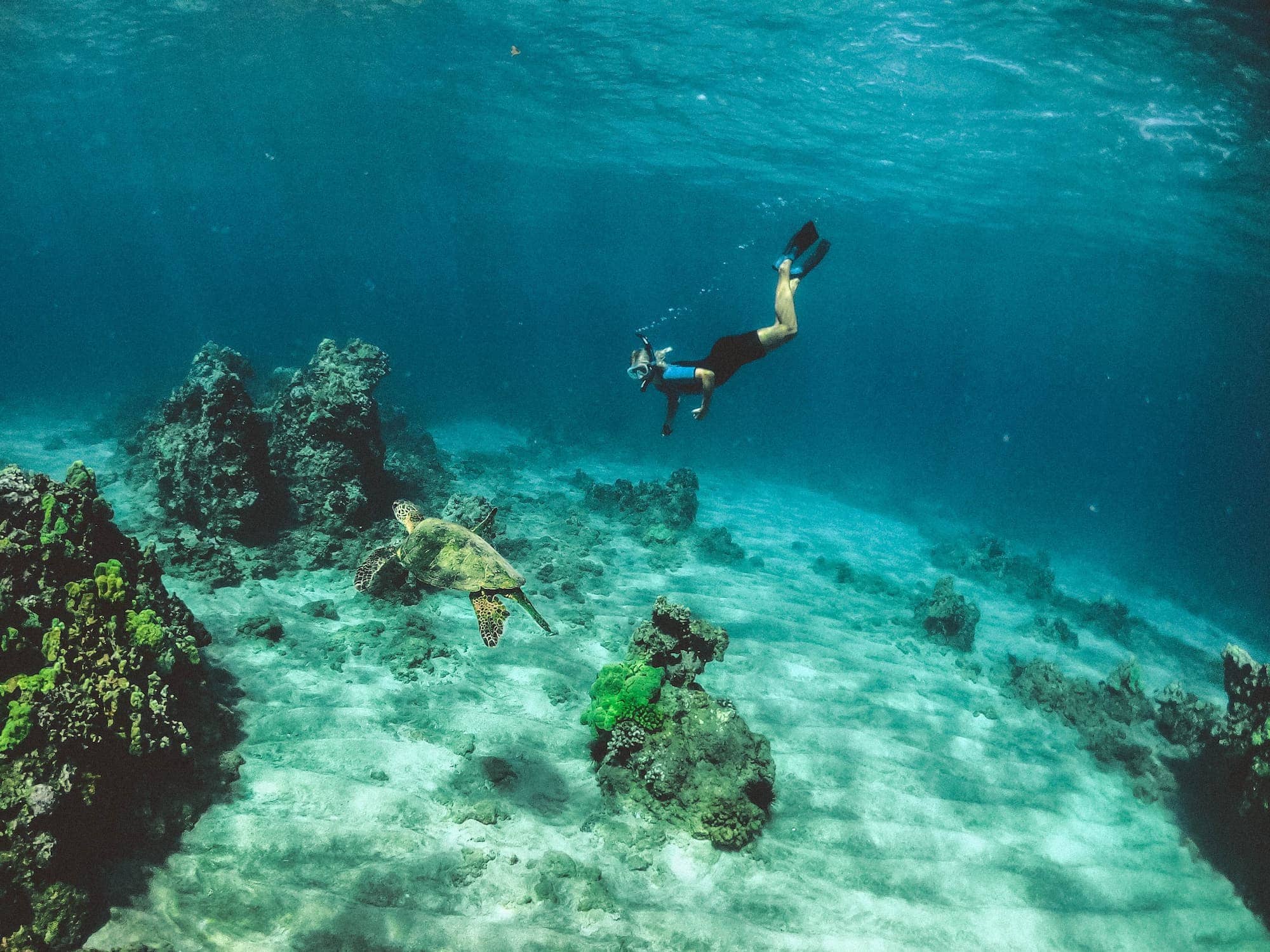
    Maluaka Beach is well known for opportunities to see Hawaiian green sea turtles, locally called honu. Its coastal reef environment attracts marine life, and turtles are sometimes spotted feeding or swimming around the rocky areas.

    The beach has a sandy shoreline, but snorkelers should be comfortable swimming before exploring farther from the entry area. A turtle sighting is never guaranteed, and visitors must not chase, touch or approach the animals.

    Maluaka is a good option for people who want to combine a beach visit with a chance to observe marine wildlife.

    Best for: Wildlife enthusiasts and snorkelers with some ocean experience.

    Best Surfing in Maui for Beginners

    Maui is internationally known for surfing, but many famous breaks are designed for experienced surfers. Beginners should not choose a beach simply because it appears in professional surfing photographs. A suitable lesson location, manageable waves and a qualified instructor are much more important.

    5. Cove Beach Park, Kīhei

    Cove Beach Park is one of the best-known places for learning to surf in Maui. Located near Kalama Park in Kīhei, it is popular with surf schools because the area can offer smaller, more manageable waves for lessons.

    The beach is convenient for beginners who want to learn basic techniques such as paddling, positioning and standing on a surfboard. Its location near shops and other visitor facilities also makes it easy to include in a South Maui itinerary.

    Wave conditions still vary, and the beach is not automatically safe every day. First-time surfers should book an instructor-led lesson rather than attempting to learn independently.

    Best for: First-time surfers, surf lessons and visitors staying in Kīhei.

    6. Kalama Park, Kīhei

    Kalama Park is another location associated with beginner surfing in South Maui. It offers access to the ocean and is close to the Cove area, making it a practical alternative when lesson providers select a suitable nearby break.

    The reef and underwater conditions vary across the area, so beginners should follow their instructor’s guidance about where to enter and which waves to use. It is not advisable to assume that every section of the shoreline has the same conditions.

    Kalama Park is also a convenient place to watch local surfers and enjoy the coastal setting.

    Best for: Beginner lessons and visitors exploring the Kīhei coastline.

    7. Launiupoko Beach Park, West Maui

    Launiupoko Beach Park, south of Lahaina, is another location used for beginner surf lessons when conditions are suitable. Its gentle waves on smaller days can provide opportunities to practise basic surfing skills.

    The park also has a protected pond area that is separate from the surf zone, making it useful for families with children who are not participating in surfing.

    As with all Maui surf spots, conditions can change with swell direction and size. Beginners should use a local surf school to determine whether the break is appropriate on the day.

    Best for: Beginner surf lessons and families visiting West Maui.

    Best Places for Boogie Boarding in Maui

    Boogie boarding, also called body boarding, allows riders to catch waves while lying on a small board. It can be easier to learn than standing surfing, but shore break waves can still be powerful and dangerous.

    The Kamaʻole Beach Parks in Kīhei are popular choices for body boarding when conditions are appropriate.

    8. Kamaʻole Beach Park III, South Maui

    Kamaʻole III is one of the most recognized locations for boogie boarding in Maui. The beach is known for regular shore breaks and has a large grassy park area, making it convenient for families who want to spend several hours by the water.

    When the waves are small and manageable, the shorebreak can provide opportunities for body boarding. However, waves that break directly onto shallow sand can create a risk of impact injuries. Beginners should ask a lifeguard about conditions before entering.

    The park also offers facilities that make a beach visit more convenient.

    Best for: Boogie boarding on suitable small-wave days and family beach outings.

    9. Kamaʻole Beach Park I, South Maui

    Kamaʻole I is another option for body boarding, particularly when a suitable south swell produces manageable waves. Its sandy beach and convenient access make it popular with beachgoers.

    The size and strength of the shore break can change significantly. A beach that feels comfortable for swimming may still have waves that are too powerful for an inexperienced body boarder.

    Choose a small-wave day, use an appropriate body board and check with the lifeguard before entering.

    Best for: Recreational body boarding when waves are manageable.

    10. Kamaʻole Beach Park II, South Maui

    Kamaʻole II provides another option along the same stretch of South Maui coastline. It is worth considering when visitors want an alternative to the other Kamaʻole beaches.

    The beach can offer opportunities for swimming and body boarding, depending on the day’s surf. Facilities and access make it convenient for a relaxed beach outing.

    Do not assume that conditions at Kamaʻole I, II and III will be identical. Check the beach individually and follow any posted warnings.

    Best for: Beach days and occasional body boarding in suitable conditions.

    Quick Comparison of Maui’s Best Ocean Activity Locations

    LocationMain activityExperience level
    Ulua and Mōkapu beachesSnorkelingConfident beginners
    Kapalua BaySnorkelingBeginners when calm
    Kahekili Beach ParkSnorkelingConfident beginners to intermediate
    Maluaka BeachSnorkeling and wildlife viewingIntermediate or confident swimmers
    Cove Beach ParkSurfing lessonsBeginners
    Kalama ParkSurfingBeginners with instruction
    Launiupoko Beach ParkSurfing lessonsBeginners with instruction
    Kamaʻole Beach Park IIIBoogie boardingBeginners on small-wave days
    Kamaʻole Beach Park IBoogie boardingBeginners on suitable days
    Kamaʻole Beach Park IIBoogie boardingBeginners on suitable days

    When Is the Best Time for These Activities in Maui?

    Maui’s ocean conditions change throughout the year. Summer often brings more favorable conditions to some north-facing snorkeling locations, while winter can produce larger north and northwest swells. South-facing beaches may experience stronger surf during south swell events in the warmer months.

    For many visitors, mornings are a practical time to plan ocean activities. Winds often increase later in the day, which can affect snorkeling visibility and make the water choppier.

    A few general planning points can help:

    • Snorkeling: Choose a calm morning with good visibility and minimal current.
    • Beginner surfing: Book a lesson when the instructor confirms the waves are suitable.
    • Boogie boarding: Look for small, manageable shorebreak rather than large breaking waves.
    • Winter visits: Be particularly cautious around exposed north-facing beaches.
    • Summer visits: Check for south swell before choosing a beach on the south coast.

    No season guarantees safe conditions. Always check the current forecast before planning an ocean activity.

    Important Ocean Safety Tips for Visitors

    Even beaches popular with beginners can become dangerous when surf and currents increase. Maui County recommends swimming at lifeguarded beaches, paying attention to warning signs and asking lifeguards about local conditions.

    Keep these precautions in mind:

    1. Check conditions before entering: Look for strong currents, large waves, poor visibility and warning signs.
    2. Use lifeguarded beaches when possible: Kamaʻole I, II and III have lifeguard coverage.
    3. Never snorkel alone: Stay with a buddy and remain within your swimming ability.
    4. Avoid unfamiliar reef areas: Coral, rocks and changing water depth can create hazards.
    5. Take lessons for surfing: A qualified instructor can help beginners choose an appropriate break and understand surf etiquette.
    6. Respect shorebreak: Waves breaking in shallow water can cause serious injuries, even for strong swimmers.
    7. Leave the water when conditions change: Do not wait for waves to become visibly dangerous.

    Maui County’s ocean-safety guidance emphasizes a simple rule: if in doubt, do not go out.

    Final Thoughts

    Maui has excellent locations for snorkeling, surfing and boogie boarding, but choosing the right beach makes a major difference to the experience. Ulua and Mōkapu are useful starting points for confident beginner snorkelers, while Kapalua Bay offers another option in West Maui when conditions are calm. Cove Beach Park and Kalama Park are popular places to arrange beginner surf lessons, and the Kamaʻole Beach Parks provide bodyboarding opportunities when the shorebreak is manageable.

    The most important part of planning is not finding the biggest wave or the most famous reef. It is selecting a location that matches your ability, checking the ocean conditions and following local safety advice. With the right preparation, visitors can enjoy Maui’s coastline while making safer choices in the water.

  • Best Beaches and Places to See Sea Turtles in Maui

    Best Beaches and Places to See Sea Turtles in Maui

    Maui is one of the best places in Hawaii to encounter sea turtles in their natural environment. Known locally as honu, Hawaiian green sea turtles can often be spotted swimming around coral reefs, feeding near rocky coastlines or resting on sandy beaches. Some locations are particularly popular for snorkeling, while others offer opportunities to observe turtles without entering the water.

    The best place to see sea turtles in Maui depends on the kind of experience you want. Maluaka Beach and Makena Landing are popular choices in South Maui for snorkeling, while Ho’okipa Beach Park is well known for turtles resting on the shore. On the west side, Black Rock and Kapalua Bay are also worth considering.

    Because sea turtles are protected wildlife, sightings should always be enjoyed from a respectful distance. Here are some of the best beaches and locations to include in your Maui itinerary.

    1. Maluaka Beach, South Maui

    Maluaka Beach is one of the most popular locations for visitors hoping to see Hawaiian green sea turtles. It is often associated with the nickname Turtle Beach because turtles are regularly spotted around its nearshore reef areas.

    The underwater landscape includes rocky sections and coral habitat where turtles can find food. Snorkelers may see them swimming near the reef or resting around the rocks. The beach also offers a pleasant setting for swimming and relaxing when ocean conditions are suitable.

    Morning is generally a good time to visit because winds are often lighter and underwater visibility can be better. However, sightings are never guaranteed, and visitors should check local ocean conditions before snorkeling.

    Best for: Snorkeling, underwater wildlife viewing and relaxed beach visits.

    2. Makena Landing Beach Park, South Maui

    Makena Landing is another well-known location for turtle encounters. Its coastal environment attracts marine life, and the surrounding reef areas provide opportunities for experienced snorkelers to observe turtles underwater.

    Unlike a wide sandy swimming beach, Makena Landing has a more sheltered coastal setting with rocky sections and access points for water activities. This makes it important to pay attention to entry and exit conditions, especially when waves or currents increase.

    Visitors who are unfamiliar with the area may benefit from joining a guided snorkeling excursion. A knowledgeable guide can help identify suitable locations and explain how to observe marine animals responsibly.

    Best for: Experienced snorkelers and guided marine-life excursions.

    3. Ho’okipa Beach Park, North Shore

    Ho’okipa Beach Park is one of the best beaches to see sea turtles in Maui without having to snorkel. It is especially known for green sea turtles that come ashore to rest on the sand.

    The eastern end of the beach is a well-known turtle-viewing area. Visitors can often observe resting turtles from designated viewing areas, making this location suitable for people who prefer to stay on land.

    Ho’okipa is also famous for surfing and windsurfing. The waves can be powerful, particularly during winter, so it is not always appropriate for casual swimming. Anyone visiting mainly to see turtles should enjoy the shoreline from a safe viewing position rather than entering rough water.

    Best for: Watching turtles from the beach, photography from a distance and coastal sightseeing.

    4. Black Rock, Ka’anapali Beach

    Black Rock, also known as Pu’u Keka’a, is a recognizable coastal landmark at the northern end of Ka’anapali Beach. Its underwater rock formations and surrounding reef habitat attract marine life, including green sea turtles.

    Visitors sometimes spot turtles swimming around the rocky areas or feeding near the reef. The location is also popular for snorkeling, but water conditions can change quickly. Strong currents and waves can make swimming around the point challenging.

    If you are staying in Ka’anapali, Black Rock is a convenient place to look for marine life without making a separate trip across the island. Choose a calm day, stay within your swimming ability and avoid entering the water if conditions are unsafe.

    Best for: Visitors staying in West Maui, snorkeling and coastal wildlife viewing.

    5. Kapalua Bay, West Maui

    Kapalua Bay is a sheltered, scenic beach that attracts visitors interested in swimming and snorkeling. Its curved shoreline and reef environment make it an appealing location for exploring Maui’s marine life.

    Sea turtles are sometimes spotted around the rocky edges and underwater reef areas. Although sightings are not guaranteed, the bay is worth including in a West Maui beach itinerary.

    The relatively sheltered setting can make Kapalua Bay attractive for less experienced snorkelers when conditions are calm. Nevertheless, visitors should check the ocean before entering and avoid snorkeling when visibility, surf or currents are unfavorable.

    Best for: Scenic beach visits, beginner-friendly snorkeling when conditions permit and family outings.

    6. Honokeana Bay, West Maui

    Honokeana Bay is known among local snorkeling enthusiasts for its marine life and rocky reef environment. Green sea turtles are frequently reported in the area, making it an interesting location for visitors looking beyond the island’s better-known beaches.

    Access is more challenging than at a typical sandy beach. The rocky shoreline and water entry require care, so this location is better suited to confident swimmers with appropriate snorkeling experience. A guided excursion can be a sensible option for visitors unfamiliar with the area.

    Do not enter the water simply because other people are snorkeling. Check conditions first and use an alternative beach if the water is rough.

    Best for: Confident snorkelers and visitors interested in reef environments.

    7. Keawakapu Beach, South Maui

    Keawakapu Beach is a long stretch of sand between Kihei and Wailea. It is popular for walking, swimming and enjoying the coastline, and turtles are sometimes seen in the surrounding waters.

    Its spacious shoreline makes it a pleasant choice for travelers who want a beach day with the possibility of spotting marine wildlife. Rather than treating it as a guaranteed turtle-viewing destination, consider it a scenic location where a chance encounter may add to the experience.

    Early visits can be more comfortable, particularly before afternoon winds increase. Always check the day’s conditions before swimming or snorkeling.

    Best for: Beach walks, swimming when safe and relaxed coastal sightseeing.

    8. Ulua Beach, Wailea

    Ulua Beach is another attractive South Maui location for snorkeling and marine-life viewing. Its reef areas can support a variety of underwater species, and sea turtles are occasionally spotted nearby.

    The beach is popular with visitors because of its convenient access and appealing swimming environment during calm conditions. Snorkelers should stay aware of other swimmers and avoid standing on or touching coral.

    Ulua is a useful addition to an itinerary that includes other Wailea and South Maui beaches. If the water is not suitable for snorkeling, visitors can still enjoy the shoreline and coastal scenery.

    Best for: Snorkeling on calm days and exploring South Maui’s beaches.

    Best Beaches to See Turtles in Maui: Quick Comparison

    Beach or locationAreaBest experience
    Maluaka BeachSouth MauiSnorkeling and turtle sightings
    Makena LandingSouth MauiReef snorkeling
    Ho’okipa Beach ParkNorth ShoreWatching turtles from shore
    Black RockKa’anapaliSnorkeling and coastal viewing
    Kapalua BayWest MauiScenic beach and calm-water snorkeling
    Honokeana BayWest MauiReef exploration
    Keawakapu BeachSouth MauiBeach walks and occasional sightings
    Ulua BeachWaileaSnorkeling and swimming

    When Is the Best Time to See Sea Turtles in Maui?

    Sea turtles live around Maui throughout the year, so there is no single season that guarantees sightings. However, the conditions for observing them can vary.

    May through September is often a good period for snorkeling because many coastal locations experience more favorable ocean conditions than during the winter swell season. Early mornings are generally preferable because winds can increase later in the day, affecting visibility and water conditions.

    Visitors interested in seeing turtles resting on shore can consider Ho’okipa Beach Park. Turtles sometimes come onto the sand to bask, but their arrival times are unpredictable. Give resting animals plenty of room and never approach them for photographs.

    The most important factor is choosing a location with suitable conditions on the day of your visit. A beach known for turtle sightings may not be safe for snorkeling when waves or currents are strong.

    Important Rules for Watching Sea Turtles in Maui

    Hawaiian green sea turtles are protected under state and federal wildlife laws. Visitors should understand the basic viewing rules before approaching any beach or snorkeling location.

    • Keep at least 10 feet away: NOAA recommends a minimum viewing distance of 10 feet, or 3 meters, from sea turtles on land and in the water.
    • Never touch or feed turtles: Feeding or handling can cause stress and interfere with natural behavior.
    • Do not chase or follow them: Let turtles swim freely and surface to breathe without interference.
    • Avoid disturbing resting turtles: Never crowd turtles that have come onto the beach to bask.
    • Do not stand on coral: Coral reefs are important marine habitats and can be damaged by careless snorkeling.
    • Follow local signs and instructions: Some beaches and marine areas have additional restrictions or safety guidance.

    If you see an injured or entangled turtle, keep your distance and contact the NOAA Marine Wildlife Hotline at 1-888-256-9840.

    How to Plan a Sea Turtle Viewing Trip in Maui

    The best approach is to choose a beach based on your preferred activity rather than planning an entire day around a guaranteed turtle sighting.

    For snorkeling, consider Maluaka Beach, Makena Landing or Black Rock when conditions are suitable. Visitors who prefer to observe turtles without getting into the ocean can include Ho’okipa Beach Park in their North Shore itinerary.

    If you are exploring West Maui, Kapalua Bay and Honokeana Bay are worth considering. South Maui visitors can combine Maluaka, Makena Landing and Keawakapu Beach into a coastal outing.

    Bring reef-conscious sunscreen, drinking water, appropriate snorkeling equipment and a camera with zoom. Most importantly, remain flexible. Sea turtles are wild animals, and the best wildlife encounters happen when visitors allow them to behave naturally.

    Final Thoughts

    Maui offers several excellent places to look for Hawaiian green sea turtles, whether you prefer snorkeling around coral reefs or watching wildlife from the shore. Maluaka Beach and Makena Landing are popular South Maui choices, while Ho’okipa Beach Park is especially appealing for land-based viewing. Black Rock, Kapalua Bay and Honokeana Bay provide additional opportunities in West Maui.

    The best beaches to see turtles in Maui are not necessarily the ones with the most visitors. Choosing a suitable location, checking ocean conditions and respecting wildlife are more important than trying to get as close as possible.

    A little patience can make a Maui turtle encounter memorable. Give honu the space they need, enjoy the coastline responsibly and remember that protecting these animals helps preserve the experience for future visitors.

  • When Is the Best Time to Visit Maui?

    When Is the Best Time to Visit Maui?

    Maui is a year-round destination, but the experience can change considerably depending on when you visit. Weather, ocean conditions, accommodation prices, whale-watching season and crowds all influence the kind of holiday you can expect. Some months are better for swimming and snorkeling, while others offer excellent opportunities to see humpback whales or enjoy quieter beaches.

    For most travelers, the best time to visit Maui is during the shoulder seasons of April to May and September to October. These periods often bring a useful balance of pleasant weather, fewer visitors and potentially better accommodation rates. However, the ideal dates depend on whether your priority is snorkeling, whale watching, hiking or simply relaxing by the ocean.

    Understanding Maui’s Seasons

    Maui has two broad seasons. Summer generally runs from May through October, while winter lasts from November through April. Temperatures remain relatively mild throughout the year, so seasonal differences are often more noticeable in rainfall, wind and ocean conditions than in extreme changes in temperature.

    The island also has different local climates. South and West Maui are generally sunnier and drier, while the eastern side, including Hāna, receives more rainfall. This variation means a rainy morning in one area does not necessarily mean the entire island will have poor weather.

    Spring, March to May

    Spring is a good time for visitors who want comfortable temperatures and a mix of outdoor activities. March can still bring winter rain and larger ocean swells, but conditions generally become more settled as April and May approach.

    April and May are particularly attractive for travelers looking to avoid the busiest holiday periods. Beaches and popular attractions can feel less crowded than during major school vacation periods, and visitors can enjoy hiking, scenic drives and beach activities.

    May also marks the beginning of the drier summer season. It is a strong choice for travelers who want warm weather without the height of summer demand.

    Summer, June to August

    Summer brings warmer, sunnier conditions and generally lower rainfall in many coastal areas. It is an excellent season for beach days, swimming and exploring Maui’s outdoor attractions.

    Families often choose July and August because of school holidays, which can make popular resorts, rental cars and activities busier. Accommodation prices may also rise during these periods.

    Ocean conditions vary by coastline. South-facing beaches can experience summer swells, while some north-facing snorkeling locations become more suitable than they are during winter. Visitors should still check local surf and beach conditions before entering the water.

    Fall, September to November

    Fall is one of the most appealing periods for travelers seeking a quieter Maui holiday. September and October often bring warm ocean temperatures, fewer visitors than peak summer and good opportunities for outdoor activities.

    September can be particularly attractive for beach-focused trips. October is another useful month for travelers who want warm weather and potentially better accommodation value.

    November is a transition month. Rainfall and changing ocean conditions become more noticeable as winter approaches, but many days remain suitable for sightseeing and outdoor activities. Visitors may also begin to see the first humpback whales arriving in Hawaiian waters.

    Winter, December to February

    Winter is popular with visitors escaping colder climates. Daytime temperatures remain comfortable, but rainfall and changing ocean conditions are more common than during summer.

    One of the biggest attractions is humpback whale watching. Thousands of whales visit Hawaiian waters during the winter and spring months. January and February are particularly rewarding periods for whale-watching tours around Maui.

    Winter also brings larger surf to exposed north-facing shores. This creates excellent viewing opportunities for experienced surfers and spectators, but it can make some beaches unsuitable for swimming or snorkeling.

    Best Time to Snorkel Maui

    For many visitors, snorkeling is one of the main reasons to visit the island. The best time to snorkel Maui depends on both the season and the time of day.

    In general, morning is the best time for snorkeling. Hawaii’s ocean-safety guidance notes that mornings often provide better visibility and calmer conditions, while winds can increase later in the day. Starting early also gives visitors more time to enjoy the water before conditions change.

    Seasonal differences matter too.

    Summer snorkeling: May through September can offer good opportunities at some north-facing locations, including areas around Kapalua and Honolua Bay, when conditions are suitable. Summer is also a popular time for exploring protected coastal areas and taking guided boat trips.

    Winter snorkeling: From December through March, larger north and northwest swells can affect exposed beaches. South-facing locations may offer more sheltered alternatives on suitable days. However, no location is guaranteed to be safe or calm throughout the season.

    Molokini Crater is another well-known snorkeling destination. Boat excursions operate during different parts of the year, but conditions on the crossing and at the site can change. A guided trip should be selected according to the day’s ocean forecast rather than the calendar alone.

    Visitors should check local surf reports and ocean-safety advisories on the morning of their activity. Snorkel with a buddy, use appropriate equipment and avoid entering the water when waves, currents or visibility are unsafe.

    Best Time to Visit Maui for Whale Watching

    Travelers interested in marine wildlife should consider visiting between December and April. Humpback whales migrate to Hawaiian waters to breed, give birth and care for their calves.

    According to NOAA’s Hawaiian Islands Humpback Whale National Marine Sanctuary, the main season generally runs from November through May, with peak abundance typically occurring between January and March. Maui is especially well known for whale sightings because whales gather in the waters around Maui, Lānaʻi and Molokaʻi.

    January and February are excellent months to consider if whale watching is a major priority. Visitors can choose a guided boat excursion or look for whales from suitable coastal viewing areas.

    Wildlife should always be observed responsibly. Federal rules prohibit approaching humpback whales within 100 yards, and visitors should never attempt to touch, follow or swim with them.

    Best Time to Visit Maui for Fewer Crowds and Better Value

    Travel costs can vary depending on holidays, school breaks, flight demand and accommodation availability. Summer and the winter holiday period can attract large numbers of visitors, especially around Christmas and New Year.

    April, May, September and October are useful months to compare when looking for a balance between weather and value. These shoulder-season periods may offer better accommodation availability and a more relaxed experience at popular attractions.

    However, lower demand does not guarantee a cheap trip. Airfare, hotel rates and rental-car prices can change quickly, so booking early and comparing several dates is worthwhile.

    Month-by-Month Guide to Visiting Maui

    MonthWhat to expectBest suited for
    JanuaryWinter weather and strong whale activityWhale watching
    FebruaryPeak whale season and possible large surfWildlife experiences
    MarchTransition toward spring, with some unsettled weatherWhale watching and sightseeing
    AprilImproving weather and fewer peak-season crowdsGeneral sightseeing
    MayWarmer, drier conditionsBeach holidays and snorkeling
    JuneSunny summer weatherSwimming and outdoor activities
    JulyWarm weather and busy holiday periodsFamily vacations
    AugustHot, sunny conditions and warm ocean waterBeach activities
    SeptemberWarm water and generally quieter travel periodsSnorkeling and relaxation
    OctoberPleasant weather and shoulder-season valueScenic drives and beach trips
    NovemberChanging weather and early whale arrivalsFlexible sightseeing
    DecemberHoliday crowds and whale season beginningWhale watching and winter escapes

    This is a general planning guide, not a guarantee of daily weather or ocean conditions. Local forecasts should always guide outdoor plans.

    How to Choose the Right Month for Your Maui Holiday

    The best month depends on what you want from the trip.

    • For snorkeling: Consider May through September, while choosing locations according to current surf and wind conditions. September is particularly attractive for warm water.
    • For whale watching: January through March generally offers the strongest opportunities.
    • For fewer crowds: Compare April, May, September and October.
    • For family beach holidays: June through August can offer plenty of sunshine, although school vacation periods may be busier.
    • For scenic drives and hiking: Spring and fall can provide a comfortable balance of weather and visitor numbers.
    • For winter escapes: December through February offers warm coastal conditions and seasonal whale-watching opportunities, although rain and surf can affect some activities.

    It is also worth considering the elevation of your activities. A sunny beach day does not mean the summit of Haleakalā will be warm. Higher elevations can be significantly colder, so bring suitable layers if you plan to visit.

    Final Thoughts

    The best time to visit Maui for most travelers is April to May or September to October. These shoulder-season months offer a useful combination of warm weather, outdoor opportunities and potentially fewer crowds. Summer is appealing for sunny beach holidays, while winter is especially attractive for visitors hoping to see humpback whales.

    For snorkeling, the time of day and local ocean conditions are just as important as the month. Early mornings often provide better visibility and calmer water, but visitors should always check current advisories before entering the ocean.

    Ultimately, Maui offers something throughout the year. Choosing travel dates around your main interests, checking local conditions and leaving some flexibility in your itinerary can make the experience more enjoyable.

  • Best Dog Treats for Dogs With Different Dietary Needs

    Best Dog Treats for Dogs With Different Dietary Needs

    Dog treats are a useful part of training, rewarding good behaviour and strengthening the bond between pets and their owners. However, choosing snacks becomes more complicated when a dog has diabetes, a sensitive stomach, pancreatitis or other dietary restrictions. A treat that is perfectly suitable for one dog may cause problems for another.

    The best dog treats are not necessarily the most expensive or those with the longest list of health claims. They should match the dog’s nutritional requirements, contain appropriate ingredients and fit within its daily calorie allowance. Dogs with medical conditions may also need veterinary approval before receiving snacks outside their regular diet.

    What to Consider Before Choosing Dog Treats

    Before comparing products, check the ingredient list, calorie content and feeding recommendations. A few details can make a significant difference.

    • Fat content: Particularly important for dogs with pancreatitis or a history of fat intolerance.
    • Sugar and carbohydrate content: Relevant when choosing snacks for dogs with diabetes.
    • Protein source: Important for dogs with food allergies or ingredient sensitivities.
    • Digestibility: Simple, familiar ingredients may be easier for some dogs to tolerate.
    • Texture and size: Treats should be suitable for the dog’s age, chewing ability and body size.

    Treats should generally account for no more than 10% of a dog’s daily calorie intake. For dogs on therapeutic diets, even that allowance may need to be adjusted by a veterinarian.

    Best Dog Treats for Diabetic Dogs

    Dogs with diabetes benefit from consistent feeding routines. Treats containing added sugar, syrups or large amounts of easily digested carbohydrates can make blood glucose management more difficult.

    The best dog treats for diabetic dogs are usually small, portion-controlled snacks that fit the dog’s prescribed feeding plan. Plain green beans, cucumber and small pieces of other veterinarian-approved vegetables may work for some dogs. Small portions of plain, lean cooked meat may also be appropriate, depending on the dog’s complete diet and other health conditions.

    When buying commercial treats, check the nutritional information instead of relying on claims such as sugar-free or natural. Some products contain ingredients that contribute significant calories even when they have no added sugar.

    Consistency matters. Owners should avoid giving unpredictable snacks throughout the day, particularly when a dog receives insulin. Discuss suitable treats and timing with the veterinarian managing the dog’s diabetes.

    Best Dog Treats for Sensitive Stomachs

    Dogs with sensitive stomachs may experience gas, loose stools or occasional digestive discomfort after eating certain snacks. Rich, greasy treats and products containing several unfamiliar ingredients can make it harder to identify what is causing the problem.

    The best dog treats for sensitive stomachs are usually simple, small and made with ingredients the dog already tolerates. Depending on the dog’s regular diet, plain cooked lean protein or a small amount of an approved vegetable may be suitable.

    Commercial options include treats designed for digestive support, but a sensitive-stomach label does not guarantee that every dog will tolerate the ingredients. Check for added fats, dairy, flavorings and unfamiliar proteins.

    If a dog is following a veterinary elimination diet to investigate food allergies, ordinary treats can interfere with the trial. In that situation, use only rewards approved by the veterinarian. Pieces of the prescribed daily food ration can often be used as training rewards.

    Best Vegan Dog Treats

    Plant-based treats can be useful for owners who prefer to avoid animal-derived ingredients. They may also offer an alternative for dogs that cannot tolerate certain animal proteins, although plant ingredients can cause sensitivities too.

    The best vegan dog treats should have a clearly disclosed ingredient list and an appropriate texture for the dog. Some options include:

    • Plain baked vegetable biscuits: Look for recipes with clearly identified ingredients and no harmful seasonings.
    • Sweet potato chews: These provide a plant-based option when prepared without added oil, salt or seasoning.
    • Carrot-based snacks: Small pieces of plain carrot can be a simple reward for dogs that tolerate them.
    • Commercial vegan biscuits: Check that the product is genuinely free from animal-derived ingredients and suitable for the dog’s age.

    One commercially available example is Bark Out Loud Veggie Bacon Vegan Spanish Dog Treats. Another option to investigate is HUFT Yummy in My Tummy Banana and Oats Vegetarian Dog Biscuits. However, vegetarian and vegan are not interchangeable labels. Owners who require strictly vegan products should verify the full ingredient list and manufacturing information.

    Remember that treats do not replace a complete and balanced main diet. A plant-based snack should remain an occasional reward rather than a major source of daily nutrition.

    Best Dog Treats for Golden Retrievers

    Golden Retrievers are enthusiastic eaters, and frequent rewards can contribute to unwanted weight gain if portions are not controlled. Their treat selection should account for age, activity level and body condition.

    The best dog treats for Golden Retrievers are generally small, easy to portion and appropriate for their chewing habits. Training treats with a manageable calorie count are particularly useful because they allow owners to reward good behaviour without adding too many calories.

    Suitable choices may include small commercial training biscuits, plain carrot pieces or measured portions of the dog’s regular kibble. Larger dental chews may also be considered, provided they are appropriately sized and not excessively hard.

    Golden Retriever owners should pay attention to daily treat quantities. A large dog can still gain excess weight from frequent snacks, especially when family members reward the same behaviour repeatedly.

    Best French Bulldog Treats

    French Bulldogs can be prone to digestive discomfort and food-related sensitivities. Some also have difficulty maintaining a healthy weight, making portion size an important consideration.

    The best French Bulldog treats are small, easy to chew and made with ingredients the dog already tolerates. Soft training treats may be easier to portion than large biscuits, while simple vegetable snacks can provide variety for dogs that tolerate them.

    Avoid giving too many rich treats or introducing several new products at once. If a French Bulldog regularly experiences vomiting, diarrhea, excessive gas or skin irritation, a veterinarian should investigate the cause rather than relying on snack changes alone.

    Best Dog Treats for Pancreatitis

    Pancreatitis requires particular care with dietary fat. Dogs with a history of this condition may need a veterinarian-directed low-fat diet, and fatty snacks can undermine that plan.

    The best dog treats for pancreatitis are those that meet the individual dog’s prescribed fat limits. Depending on veterinary advice, suitable rewards may include small portions of plain vegetables, pieces of the dog’s therapeutic food or specifically approved low-fat treats.

    Carrots, cucumber and green beans may be appropriate for some dogs, but they are not automatically safe for every patient. Avoid fatty meat scraps, cheese, butter-rich biscuits, fried snacks and rich chews unless the veterinarian has specifically approved them.

    For dogs on a strict therapeutic diet, using part of their regular food allowance as a reward is often the simplest option. Always check the fat content of commercial treats with the veterinary team. A low-fat claim on the packaging is not enough to establish suitability for a dog with pancreatitis.

    Best Dog Treats for Sensitive Stomach and Diarrhea

    When a dog has diarrhea, adding new snacks is usually not a good idea. The digestive system may already be irritated, and unfamiliar ingredients can make symptoms worse.

    The best dog treats for sensitive stomach and diarrhea are often no additional treats at all until the cause of the problem is understood. If the dog is recovering and the veterinarian approves rewards, small portions of its recommended food are generally a sensible starting point.

    Plain cooked chicken or other bland foods are sometimes used in short-term feeding plans, but they are not complete and balanced diets. They should not become regular treats or replace veterinary advice. Dogs with repeated diarrhea may need testing for parasites, infections, food intolerance or other digestive conditions.

    Seek veterinary attention if diarrhea persists, returns frequently or is accompanied by vomiting, blood, weakness, dehydration or loss of appetite. Puppies and older dogs may require more prompt assessment.

    How to Make Treats Part of a Healthy Routine

    Treats can support training and enrichment without becoming a large part of a dog’s diet. A few practical habits make feeding safer:

    1. Measure treats instead of estimating portions.
    2. Include treat calories in the dog’s daily food allowance.
    3. Introduce one new snack at a time.
    4. Avoid chocolate, grapes, raisins, onions, garlic, macadamia nuts and products containing xylitol.
    5. Avoid cooked bones and excessively hard chews that can damage teeth or cause injuries.
    6. Check with a veterinarian before giving treats to a dog on a prescription diet.

    Final Thoughts

    The best dog treats depend on the dog’s health rather than its breed or the popularity of a particular product. Diabetic dogs need predictable, carefully selected snacks, while dogs with pancreatitis may require strict fat control. Sensitive-stomach dogs often do better with simple, familiar ingredients, and vegan treats can provide plant-based variety when their ingredients are suitable.

    Golden Retrievers and French Bulldogs also benefit from appropriate portions and snacks that match their individual needs. When a dog has a diagnosed medical condition, the safest approach is to make treats part of its veterinary feeding plan rather than treating them as separate extras.

  • Best Dog Foods for Sensitive Stomachs

    Best Dog Foods for Sensitive Stomachs

    Digestive problems can make mealtimes difficult for dogs and their owners. Frequent gas, loose stools, occasional vomiting, stomach noises and changes in appetite may suggest that a dog is not tolerating its current diet. Some dogs experience these problems after eating rich treats or switching foods too quickly, while others have an underlying digestive condition that needs veterinary attention.

    Choosing the best dog food for sensitive stomachs starts with understanding why the symptoms occur. A highly digestible formula may help some dogs, but others need a diet with adjusted fat or fiber levels, a different protein source or a veterinary gastrointestinal formula. The right choice depends on the dog’s age, breed, health and individual response to food.

    What to Look for in Dog Food for Sensitive Stomachs

    A suitable food should provide complete and balanced nutrition while being easy for the individual dog to tolerate. Several nutritional features are worth considering.

    Highly digestible ingredients: Foods designed for digestive support often use ingredients that are easier to break down and absorb. This can be helpful for dogs that experience loose stools or digestive discomfort.

    Moderate fat content: Some dogs struggle with high-fat meals. A moderate-fat formula may be more appropriate, although dogs with conditions such as pancreatitis may need a specifically prescribed low-fat diet.

    Appropriate fiber: Fiber influences stool consistency and intestinal movement. Beet pulp, pumpkin, psyllium and other fiber sources may be included in digestive-support formulas. The ideal amount depends on the underlying problem.

    Prebiotics and probiotics: Prebiotics help support beneficial intestinal bacteria, while probiotics provide live microorganisms intended to support digestive health. Their usefulness depends on the strain, product quality and individual dog.

    Life-stage nutrition: Puppies, adult dogs and senior dogs have different nutritional requirements. A food should be appropriate for the dog’s current life stage, not simply marketed as gentle on digestion.

    Best Dry Food for Dogs With Sensitive Stomachs

    Dry food can be a practical choice because it is easy to store, portion and serve. Several established brands offer formulas designed for dogs that experience occasional digestive discomfort.

    Purina Pro Plan Sensitive Skin & Stomach

    Purina Pro Plan Sensitive Skin & Stomach is an over-the-counter option designed for dogs with skin and digestive sensitivities. Certain versions use salmon as the primary protein source and include ingredients intended to support digestion.

    It may be worth considering for an otherwise healthy adult dog with mild food-related digestive problems. Check the specific recipe and life-stage label because formulations vary by market.

    Hill’s Science Diet Sensitive Stomach & Skin

    Hill’s Science Diet Sensitive Stomach & Skin is another mainstream option. Its formulas are designed to support digestive health while also addressing skin and coat nutrition.

    It can be a practical option for owners looking for a regular maintenance food rather than a prescription gastrointestinal diet. The exact recipe should be checked for the dog’s age and ingredient tolerance.

    Royal Canin Digestive Care

    Royal Canin Digestive Care is formulated to support digestive function and stool quality. It may suit adult dogs that need a routine digestive-support formula.

    This product should not be confused with Royal Canin Veterinary Gastrointestinal diets, which are designed for particular medical needs and may require veterinary supervision.

    Veterinary Gastrointestinal Diets

    For dogs with persistent or diagnosed digestive conditions, a veterinarian may recommend a therapeutic formula such as Hill’s Prescription Diet i/d or Purina Pro Plan Veterinary Diets EN Gastroenteric. Royal Canin also offers veterinary gastrointestinal formulas, including options with different fat and fiber profiles.

    These products are not interchangeable. For example, a low-fat formula may be appropriate for certain fat-sensitive conditions, while a fiber-focused diet may be selected for a different digestive problem. Veterinary guidance helps determine which nutritional profile is suitable.

    Best Dog Food for German Shepherds With Sensitive Stomachs

    German Shepherds can experience digestive problems for several reasons, including food intolerance, parasites, infections and gastrointestinal disease. Their size and breed do not automatically mean they need a special sensitive-stomach formula.

    When selecting the best dog food for German Shepherds with sensitive stomachs, consider the dog’s age, weight, activity level and stool quality. A complete large-breed adult formula may be appropriate for a healthy adult, while recurring diarrhea or vomiting may require a veterinary gastrointestinal diet.

    German Shepherd owners should also avoid frequent food changes and excessive treats. Keeping meals consistent makes it easier to identify possible triggers. If digestive symptoms continue despite a suitable diet, a veterinary examination is more useful than repeatedly trying different brands.

    Best Dog Food for a Puppy With a Sensitive Stomach

    Puppies need carefully balanced nutrition because they are growing rapidly. A food that works for an adult dog may not provide the right nutrient levels for a developing puppy.

    The best dog food for a puppy with a sensitive stomach should be complete and balanced for growth. Large-breed puppies, including German Shepherds, need a formula specifically designed for large-breed growth to support appropriate development.

    Some veterinary diets are available for younger dogs with digestive problems. For example, Hill’s Prescription Diet i/d Puppy is designed for puppies that need gastrointestinal nutritional support. It should be used according to veterinary advice.

    Puppies with diarrhea or vomiting should not be treated as having an ordinary sensitive stomach without an examination. Parasites and infections are common possibilities, and young dogs can become dehydrated quickly. Prompt veterinary care is particularly important if a puppy is lethargic, refuses food or has not completed its vaccinations.

    Best Dog Food for Older Dogs With Sensitive Stomachs

    Older dogs may become less tolerant of certain foods, but digestive changes should not automatically be attributed to age. Kidney disease, liver problems, pancreatitis, dental difficulties and other medical conditions can affect appetite and digestion.

    The best dog food for older dogs with sensitive stomachs should provide adequate protein and energy while matching the dog’s health requirements. Some senior dogs benefit from a highly digestible formula, while others need a specific nutritional plan based on veterinary test results.

    Avoid choosing a food simply because its packaging says senior or light. Older dogs do not all need reduced protein or fat. Their nutritional needs depend on body condition, muscle mass, activity and existing health conditions.

    If an older dog develops new vomiting, diarrhea, unexplained weight loss or a sudden loss of appetite, arrange a veterinary check before changing its diet.

    How to Change Your Dog’s Food Without Upsetting Its Stomach

    Even a suitable food can cause digestive discomfort if introduced too quickly. A gradual transition over approximately seven to ten days is a practical starting point for many healthy dogs.

    A simple transition can look like this:

    Transition stageOld foodNew food
    Days 1–275%25%
    Days 3–450%50%
    Days 5–625%75%
    Day 7 onward0%100%

    Some dogs need a slower transition. Follow veterinary instructions if the dog has an existing gastrointestinal condition or has been prescribed a therapeutic diet.

    During the transition, avoid introducing new treats, table scraps or supplements. Feed consistent portions and observe changes in stool, appetite, gas and vomiting. Keeping a short food diary can help identify patterns.

    Best Dog Foods for Sensitive Stomachs in 2025 and 2026

    When comparing the best dog foods for sensitive stomachs 2025 and 2026, it is more useful to compare nutritional purpose than rely on a yearly ranking. A popular formula is not necessarily the right choice for every dog.

    For mild digestive sensitivity, Purina Pro Plan Sensitive Skin & Stomach, Hill’s Science Diet Sensitive Stomach & Skin and Royal Canin Digestive Care are options worth discussing with a veterinarian. For diagnosed gastrointestinal conditions, veterinary formulas such as Hill’s Prescription Diet i/d and Purina Pro Plan Veterinary Diets EN Gastroenteric may be more appropriate.

    Product availability and exact recipes vary by country. Check the local packaging for the nutritional adequacy statement, life-stage suitability, ingredients and feeding instructions before buying.

    When a Sensitive-Stomach Diet Is Not Enough

    Recurring digestive symptoms deserve attention because they can have causes that food alone cannot resolve. Parasites, infections, pancreatitis, foreign objects, inflammatory bowel disease and other medical conditions can all produce gastrointestinal signs.

    Contact a veterinarian if symptoms persist or repeatedly return. Seek prompt care for repeated vomiting, blood in the stool or vomit, abdominal pain, marked lethargy, dehydration or refusal to eat. Puppies and older dogs may need particularly careful assessment.

    Final Thoughts

    The best dog food for a sensitive stomach is one that matches the dog’s nutritional needs and addresses the reason behind its digestive discomfort. Highly digestible dry foods can be useful for some dogs, while puppies, seniors and German Shepherds may need more specific nutritional consideration.

    Purina Pro Plan Sensitive Skin & Stomach, Hill’s Science Diet Sensitive Stomach & Skin and Royal Canin Digestive Care are examples of everyday digestive-support options. Veterinary gastrointestinal diets serve a different purpose and should be selected with professional guidance.

    Rather than changing foods repeatedly, choose a suitable formula, introduce it gradually and monitor the dog’s response. If digestive symptoms continue, a veterinary assessment is the best next step.

  • Best Dog Foods for Dogs With Skin Allergies and Food Sensitivities

    Best Dog Foods for Dogs With Skin Allergies and Food Sensitivities

    Skin allergies can make everyday life uncomfortable for dogs. Constant scratching, red patches, irritated ears, paw licking and recurring skin infections may all indicate an underlying problem. In some cases, food plays a role. A dog may react to a particular protein or another ingredient in its diet, making food selection an important part of managing the condition.

    However, not every itchy dog has a food allergy. Fleas, environmental allergens, bacterial infections and yeast overgrowth can produce similar symptoms. Choosing a different bag of food without identifying the cause may not solve the problem. The most useful approach is to understand the dog’s symptoms, review its feeding history and work with a veterinarian to select an appropriate diet.

    What Makes a Dog Food Suitable for Skin Allergies?

    The best diet depends on the ingredients a dog can tolerate. Two foods marketed for sensitive skin may contain very different proteins, so their suitability can vary from one animal to another.

    Veterinarians commonly consider two types of diets when investigating suspected food allergies.

    Limited-ingredient diets contain a smaller selection of protein and carbohydrate sources. A carefully selected novel-protein formula may help when a dog has not previously eaten that protein. For example, a veterinarian might consider a suitable fish, duck or other less familiar protein after reviewing the dog’s previous meals.

    Hydrolyzed-protein diets use proteins that have been broken into smaller fragments. This process makes them less likely to trigger an immune response in many dogs. Veterinary formulas such as Royal Canin Hypoallergenic and Hill’s Prescription Diet z/d are examples of diets used in food-allergy management. The appropriate formula depends on the dog’s history and veterinary assessment.

    A limited ingredient label alone does not guarantee that a food is suitable for an allergy investigation. Some over-the-counter products may contain undeclared traces of other proteins because of manufacturing cross-contact. Veterinary therapeutic diets are generally preferred for formal elimination trials.

    Best Limited Ingredient Dog Food for Skin Allergies

    A limited-ingredient formula can be useful when a dog needs a simpler diet or when a veterinarian wants to investigate a suspected ingredient reaction. The first step is identifying what the dog has already eaten. A protein is not truly novel if it has appeared regularly in previous meals, treats or supplements.

    For example, switching from chicken-based kibble to a lamb-based food may not help a dog that has already eaten lamb for years. A veterinarian may instead recommend a carefully selected novel protein or a hydrolyzed veterinary diet.

    When comparing products, check the full ingredient list rather than relying on phrases such as natural, sensitive skin or hypoallergenic. Look for a clearly identified protein source, nutritional completeness for the dog’s life stage and reliable manufacturing standards.

    Is Plant-Based Dog Food a Good Choice for Allergies?

    The search for the best plant-based dog food for allergies often comes from owners whose dogs have reacted to several animal proteins. A complete plant-based diet may provide another nutritional option, particularly when a veterinarian believes avoiding certain animal-derived ingredients is appropriate.

    Dogs can obtain the nutrients they need from properly formulated plant-based food. However, a vegetarian or vegan label does not automatically make a product hypoallergenic. Plant ingredients such as soy, peas, lentils and grains can also be unsuitable for an individual dog.

    Nutritional completeness is especially important. A suitable commercial food should provide adequate essential amino acids, vitamins, minerals and fatty acids for the dog’s life stage. Home-prepared vegan diets should be formulated with a qualified veterinary nutritionist rather than assembled from vegetables and grains alone.

    Plant-based food can be worth discussing with a veterinarian, but it should not replace a controlled elimination diet when the goal is to diagnose a food allergy.

    Choosing Food for French Bulldogs, German Shepherds and Boxers

    Some breeds are more frequently represented in veterinary reports of allergic skin disease. This does not mean every dog of that breed has a food allergy. Breed-specific feeding decisions should consider body condition, age, activity level, digestive health and the dog’s individual ingredient history.

    Best Dog Food for French Bulldog Allergies

    French Bulldogs are known for skin-fold irritation and can experience recurring skin and ear problems. Food may contribute to itching in some individuals, but environmental allergies and skin infections can also be responsible.

    The best dog food for French Bulldog allergies is therefore not necessarily a breed-labelled formula. If a food reaction is suspected, a veterinarian may recommend a hydrolyzed diet or a carefully selected novel-protein formula. Owners should also keep facial folds clean and dry and arrange an examination for persistent redness, odor or discharge.

    Best Dog Food for German Shepherds With Allergies

    German Shepherds can experience several skin conditions, including allergic dermatitis. Some dogs also have digestive sensitivities, making it important to consider both skin and gastrointestinal symptoms.

    When choosing the best dog food for a German Shepherd with allergies, look for a complete diet that matches the dog’s nutritional needs and avoids the suspected trigger. A veterinary hydrolyzed formula may be useful when the previous diet history is extensive or uncertain. Avoid changing several ingredients at once because it becomes harder to identify what has helped.

    Best Dog Food for Boxers With Allergies

    Boxers can develop skin irritation, itching and recurring ear problems, although these symptoms do not automatically indicate a food allergy. Environmental triggers and other dermatological conditions should also be investigated.

    The best dog food for Boxers with allergies depends on the confirmed or suspected trigger. A veterinarian may suggest a therapeutic diet trial before recommending a long-term maintenance formula. Owners should also monitor weight and portion sizes, since a nutritious diet needs to support a healthy body condition as well as skin health.

    Best Dog Food for Food Sensitivities in South Africa

    Owners searching for the best dog food for food sensitivities in South Africa should consider veterinary diets that are available through local veterinary practices and reputable pet-food suppliers. Royal Canin Hypoallergenic, for example, is listed on the brand’s South African website as a veterinary-exclusive formula containing hydrolyzed protein. Royal Canin Anallergenic is another veterinary diet option marketed for dogs with more significant food sensitivities.

    Availability, packaging sizes and suitability can vary. Ask a local veterinarian whether a particular formula matches the dog’s dietary history and whether it is appropriate for a diagnostic trial. Imported or specialist foods can also be costly, so it is sensible to discuss ongoing affordability before beginning a long-term feeding plan.

    How to Conduct a Food Trial Properly

    Changing food for a few days is not enough to confirm a food allergy. Veterinary guidelines commonly recommend a strict elimination diet lasting around eight weeks, although some dogs need a longer period. During this time, the dog should eat only the selected trial diet and any treats specifically approved by the veterinarian.

    That means avoiding table scraps, flavored chews, leftover food, unapproved supplements and treats containing other proteins. Even small extras can interfere with the results.

    If symptoms improve, the veterinarian may recommend reintroducing the previous food or specific ingredients to check whether the itching returns. This challenge helps distinguish a genuine food reaction from an improvement that happened for another reason.

    Blood and skin allergy tests are not reliable substitutes for a properly conducted food trial. Persistent itching also needs a veterinary examination to check for fleas, infections and environmental allergies.

    Final Thoughts

    Finding suitable food for a dog with skin allergies requires more than choosing a product with a sensitive-skin label. Limited-ingredient and hydrolyzed-protein diets can both be useful, while complete plant-based food may be an option for selected dogs under veterinary guidance.

    French Bulldogs, German Shepherds and Boxers may need particular attention to recurring skin problems, but no breed has one universally suitable allergy diet. The most reliable choice is a nutritionally complete formula selected around the dog’s history, followed by a properly managed food trial when an allergy is suspected.