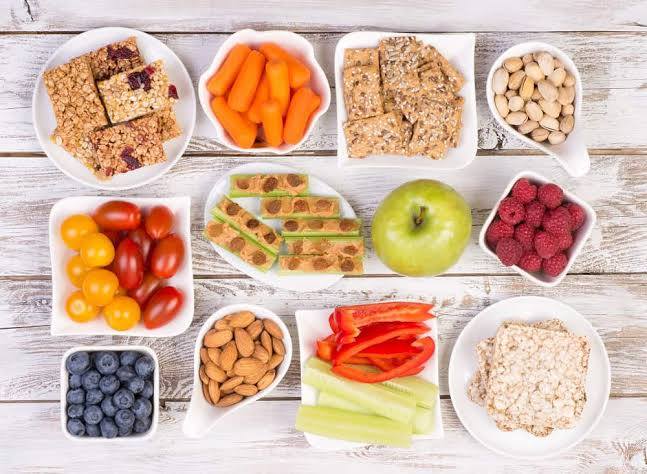
Getting braces can make everyday eating more challenging, particularly during the first few days after treatment begins or following an adjustment appointment. Teeth may feel tender, biting can become uncomfortable, and familiar foods such as apples, nuts and crunchy snacks may suddenly become difficult to manage. Choosing suitable foods is important not only for comfort but also for protecting brackets and wires throughout orthodontic treatment.
The good news is that wearing braces does not mean giving up a varied diet. Many nutritious foods remain suitable with a few preparation changes. Soft fruits, cooked vegetables, eggs, dairy products, pasta and tender proteins can provide essential nutrients without placing unnecessary pressure on orthodontic appliances.
Understanding which foods are easier to eat, which require preparation and which should be avoided can make the adjustment considerably easier.
What Makes Certain Foods Better for Braces?
Traditional braces use brackets attached to teeth and connected by wires that gradually guide teeth into their intended positions. Although these components are designed for everyday use, they can be damaged by excessive biting pressure or sticky foods.
Hard foods can loosen brackets or bend wires, while chewy sweets may become trapped around orthodontic components. Food particles also collect more easily around braces, making proper cleaning particularly important.
According to the American Association of Orthodontists (AAO), people wearing braces should choose nutritious, easy-to-chew foods and avoid items that are particularly hard, sticky, crunchy or chewy.
When identifying the best food for braces, three considerations deserve attention:
- Texture: Soft foods generally require less chewing and place less pressure on brackets.
- Nutritional value: Foods containing protein, calcium, vitamins and minerals support general health and normal tooth maintenance.
- Ease of cleaning: Foods that leave fewer sticky or difficult-to-remove particles can make daily oral hygiene easier.
These considerations are especially relevant immediately after getting braces fitted or adjusted.
7 Best Foods to Eat When You Have Braces
The following options offer a practical combination of comfortable textures, nutritional variety and everyday availability.
1. Scrambled Eggs
Scrambled eggs are among the most convenient choices for people experiencing orthodontic discomfort. Their soft texture makes them easy to chew, while their protein content contributes to normal tissue maintenance.
Eggs also provide vitamin B12, vitamin D and other important nutrients. They can be prepared without hard or crispy edges, making them suitable for breakfast or a light evening meal.
For additional variety, scrambled eggs can be combined with soft cheese or well-cooked vegetables.
2. Yogurt and Soft Cheese
Yogurt is a useful option because it requires almost no chewing. It also provides protein and calcium, depending on the variety.
Plain yogurt is generally preferable to heavily sweetened alternatives because frequent sugar exposure can increase the risk of tooth decay. Soft cheeses, cottage cheese and paneer offer additional ways to include dairy in everyday meals.
These options are particularly helpful when teeth feel sensitive after an adjustment.
3. Mashed Potatoes
Mashed potatoes are filling, inexpensive and easy to prepare. Their smooth consistency makes them suitable when biting pressure is uncomfortable.
Potatoes provide carbohydrates and potassium, while their texture can be adjusted with milk or a little butter. Avoid adding crunchy toppings, fried onions or hard pieces of vegetables.
For a more balanced meal, serve mashed potatoes alongside soft-cooked vegetables and tender fish.
4. Oatmeal and Porridge
Oatmeal is another practical breakfast option. Cooking oats thoroughly produces a soft consistency that is easier to manage than crunchy breakfast cereals.
Oats provide dietary fibre and carbohydrates, helping make breakfast more filling. Bananas or soft berries can be added for flavour without introducing hard textures.
Avoid adding whole nuts, hard granola or sticky dried fruits that may become trapped around brackets.
5. Soft-Cooked Vegetables
Vegetables remain an important part of a balanced diet during orthodontic treatment. However, preparation makes a significant difference.
Steamed carrots, cooked spinach, pumpkin, zucchini and well-cooked cauliflower are easier to chew than their raw counterparts.
Boiling, steaming or mashing vegetables helps reduce their firmness while preserving many of their nutrients. They can also be incorporated into soups, rice dishes and pasta meals.
6. Bananas and Other Soft Fruits
Bananas, ripe papaya, melon and soft berries are useful fruit choices because they generally require less biting force.
These fruits provide vitamins, minerals and dietary fibre. Apples and pears can also remain part of the diet when sliced into small pieces rather than bitten directly.
Fruit should be rinsed properly, and teeth should be cleaned after eating to remove remaining food particles.
7. Pasta, Rice and Soft Fish
Pasta and rice provide flexible meal options for people wearing braces. Softly cooked pasta with a mild sauce is generally easier to manage than hard, crispy or heavily baked dishes.
Flaky fish, tender chicken and well-cooked lentils provide protein without requiring the same chewing effort as tougher cuts of meat.
For Indian households, soft khichdi, dal, idli and well-cooked vegetable pulao can also be practical alternatives.
Best Foods for New Braces and the First Few Days
The first few days after braces are fitted can be uncomfortable because teeth need time to adjust to the pressure applied by orthodontic appliances.
The best foods for new braces are generally those that require very little chewing. Soups, yogurt, smoothies, mashed potatoes, oatmeal and scrambled eggs are sensible starting points.
Similarly, the best foods to eat after getting braces should be selected according to individual comfort rather than following a strict meal schedule.
A simple first-day meal plan might look like this:
| Meal | Suggested food |
| Breakfast | Soft oatmeal with banana |
| Lunch | Vegetable khichdi or mashed potatoes |
| Afternoon snack | Plain yogurt |
| Dinner | Soft vegetable soup with well-cooked pasta |
As tenderness improves, gradually introduce more food varieties. If discomfort remains severe or continues beyond a few days, contact your orthodontist.
What About Candy and Chewing Gum With Braces?
Sweet treats are one of the most confusing parts of planning a braces-friendly diet. Not every sweet has the same texture, but some options are considerably riskier than others.
Best candy for braces: There is no candy that is completely risk-free for fixed braces. However, the AAO identifies some soft chocolates as more suitable alternatives to hard or sticky sweets. Plain chocolate that melts easily is generally a better choice than caramel, gummies, toffee, lollipops or hard candies. Keep sugary treats occasional and clean your teeth afterward.
Best chewing gum for braces: Conventional chewing gum is generally discouraged for people wearing fixed braces because it can become trapped around brackets and wires. Sugar-free gum does not automatically make chewing gum suitable for orthodontic appliances. The NHS specifically advises against chewing gum during fixed-brace treatment. Ask your orthodontist before considering any alternative.
Foods to Avoid During Orthodontic Treatment
Some foods should be avoided throughout treatment because they can damage brackets, wires or other orthodontic components.
| Food category | Examples | Main concern |
| Hard foods | Nuts, ice, hard pretzels | Can loosen brackets |
| Sticky sweets | Caramel, toffee, gummies | Can attach to braces |
| Crunchy snacks | Popcorn, chips, hard crackers | Can damage wires or trap particles |
| Hard fruits | Whole apples, raw carrots | Excessive biting pressure |
| Chewy foods | Licorice, tough meat | Can pull against brackets |
Some foods can become suitable with preparation. For example, apples can be sliced, carrots can be steamed and meat can be cut into smaller pieces.
How to Make Eating Easier With Braces
A few simple habits can make everyday meals more comfortable.
- Cut food into small pieces instead of biting directly with front teeth.
- Chew slowly and avoid putting excessive pressure on sensitive areas.
- Choose softer meals after orthodontic adjustments.
- Drink water regularly throughout the day.
- Brush with fluoride toothpaste and clean around brackets carefully.
- Avoid frequent sugary snacks and acidic drinks.
The American Association of Orthodontists also recommends using interdental brushes to remove food particles from areas that ordinary toothbrushes may not reach easily.
Final Thoughts
Choosing suitable meals while wearing braces is mainly about balancing comfort, nutrition and appliance protection. Scrambled eggs, yogurt, oatmeal, mashed potatoes, soft fruits, cooked vegetables and tender proteins are practical options for everyday eating.
The best food to eat with braces will depend on how sensitive your teeth are, your dietary requirements and the type of orthodontic appliance you use. Foods that feel comfortable today may become easier to eat as treatment progresses.
Rather than relying entirely on restrictive meal plans, focus on preparing familiar foods in softer, manageable forms. Most importantly, follow your orthodontist’s instructions, maintain consistent oral hygiene and avoid foods that could interfere with treatment.
A little preparation can make the entire orthodontic experience more comfortable while helping protect the investment you are making in your smile.

Leave a Reply