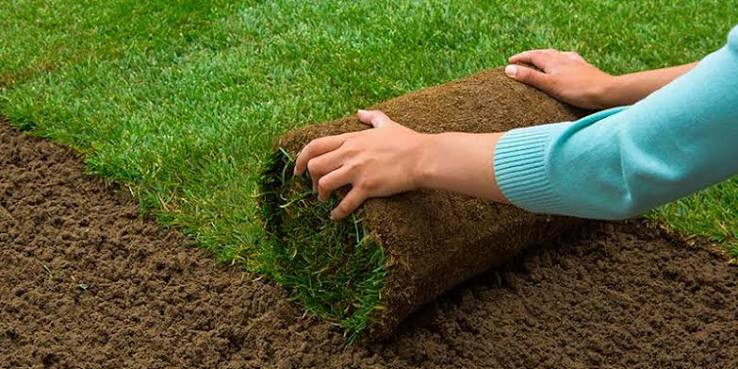
Installing sod is one of the quickest ways to create a green, finished-looking lawn. Unlike planting grass seed, which can take weeks or months to fill in, sod provides immediate ground coverage. However, a successful installation depends on more than choosing healthy grass. The timing also matters because new sod needs suitable soil temperatures, consistent moisture and enough time to develop roots before extreme weather arrives.
So, when is the best time to install sod? For most lawns, spring and fall offer favorable conditions, but the ideal season depends on the type of grass and the climate in your area. Understanding these differences can help you avoid unnecessary watering, weak root development and costly lawn repairs.
The Best Season to Lay Sod
There is no single calendar date that works for every lawn. The best time of year to lay sod is generally when the grass is actively growing and temperatures are moderate.
Spring is a popular choice because the soil begins warming and seasonal rainfall can support root development. Fall is also an excellent period, particularly for cool-season grasses. Temperatures are usually less stressful than in mid summer, while the soil may remain warm enough for roots to grow.
The main goal is to give the sod enough time to connect with the soil underneath before it faces intense heat, drought or freezing conditions.
Best Time to Install Cool-Season Grass Sod
Cool-season grasses grow most actively during cooler parts of the year. Common varieties include Kentucky bluegrass, tall fescue and perennial ryegrass.
Early fall is often the best time to plant sod made from cool-season grasses. The combination of relatively warm soil and cooler air creates favorable conditions for root establishment. The grass can develop a stronger root system before winter and continue growing when temperatures become suitable again in spring.
Spring is another good installation window, especially in regions with cold winters. However, sod installed in spring has less time to establish before summer heat arrives. Regular irrigation becomes particularly important as temperatures rise.
For homeowners choosing between spring and fall, fall is often the more forgiving option in regions where cool-season grasses are commonly grown.
Best Time to Put Down Warm-Season Grass Sod
Warm-season grasses prefer higher temperatures and grow most actively during late spring and summer. Popular varieties include Bermuda grass, Zoysia grass, St. Augustine grass and centipede grass.
For these grasses, late spring through early summer is generally the best time of year to install sod. The soil has warmed enough to encourage root development, and the grass has an active growing season ahead.
Installing warm-season sod too early, while the soil is still cold, can slow establishment. Putting it down late in the year can also be less effective because the grass may enter dormancy before its roots have developed sufficiently.
Warm-season sod can sometimes be installed outside its ideal growing period, but it requires careful planning and reliable irrigation.
Does the Best Time Depend on Your Climate?
Yes. Local weather conditions can matter more than the name of the season. A mild spring in one region may offer better installation conditions than a hot, dry spring somewhere else.
| Climate or region | Generally favorable installation period |
| Northern regions with cold winters | Spring or early fall for cool-season sod |
| Transition-zone regions | Spring or fall for cool-season varieties; late spring for warm-season varieties |
| Southern regions with hot summers | Late spring or early summer for warm-season sod |
| Mild coastal climates | Often a longer installation window, depending on grass type and rainfall |
| Areas with dry summers | A cooler period with reliable irrigation access |
These are broad guidelines rather than fixed dates. Local extension services and sod suppliers can help identify suitable grass varieties and planting windows for a particular area.
When Should You Avoid Laying Sod?
Although sod can be installed during much of the year, certain conditions make successful establishment more difficult.
Extreme summer heat: Hot weather increases moisture loss. Newly installed sod has a shallow root system and can dry out quickly, particularly when exposed to direct sunlight and strong winds.
Frozen ground: Sod cannot establish properly when the underlying soil is frozen. Winter installation may be possible in some climates when the ground is workable, but dormant sod still needs protection from drying out.
Waterlogged soil: Installing sod on saturated ground can create poor soil contact and compaction. The surface should be moist but firm enough to support installation.
Severe drought: Dry conditions make it harder to maintain consistent moisture. If irrigation is unavailable or water restrictions prevent adequate watering, postponing the project may be the better choice.
Before major weather changes: Avoid installing sod immediately before a heatwave, prolonged dry spell or hard freeze if there is not enough time or irrigation support for establishment.
How to Prepare Before Installing Sod
Good preparation can make a significant difference, regardless of the season. Before the delivery arrives, remove existing weeds, unwanted grass, stones and construction debris. Loosen compacted soil and correct drainage problems where necessary.
Level the surface so water does not collect in low areas. A soil test can also help identify pH or nutrient problems before installation. Avoid adding fertilizer without considering the soil condition and recommendations for the selected grass.
Fresh sod should be installed promptly after delivery. It should be evenly moist and healthy, not dried out or yellowing. Lay the pieces tightly together without overlapping, and stagger the seams in a brick-like pattern. Good contact between the sod and prepared soil is essential for rooting.
Watering Sod After Installation
Water management is one of the most important parts of establishing a new lawn. Water the sod thoroughly immediately after installation so moisture reaches both the grass and the soil underneath.
During the initial establishment period, keep the sod consistently moist without leaving it waterlogged. Depending on the weather, soil type and irrigation system, this may require daily watering or more frequent light applications during hot, dry conditions.
After about a week, gently lift a corner of the sod to check for new roots and resistance. As the roots develop, gradually reduce watering frequency and encourage deeper root growth.
Avoid heavy foot traffic and mowing until the sod has rooted firmly. The exact waiting period depends on grass type and growing conditions, so check establishment before using the lawn normally.
Final Thoughts
The best time of the year to lay sod depends primarily on the grass variety and the weather in your region. Early fall is often ideal for cool-season grasses, while late spring and early summer are generally better for warm-season varieties. Spring can also be a suitable choice when temperatures and soil conditions are favorable.
Rather than relying only on a calendar, consider soil temperature, rainfall, drainage and access to irrigation. Preparing the ground properly and maintaining moisture after installation are just as important as choosing the right season. With the right timing and care, new sod has a much better chance of developing strong roots and creating a healthy, lasting lawn.
Leave a Reply