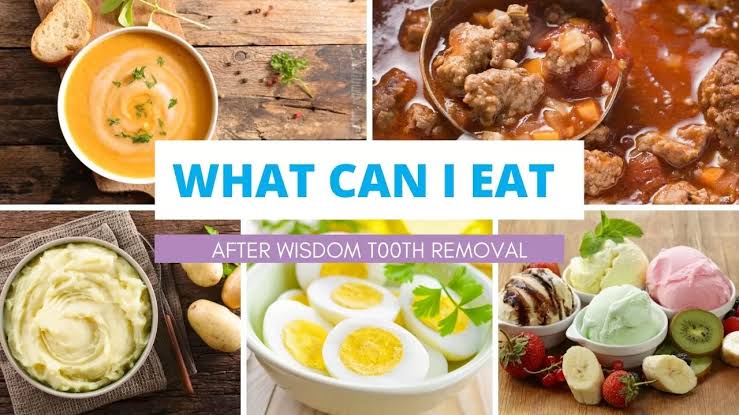
Recovering from wisdom teeth removal requires more than simply avoiding solid food for a few days. The first stage of healing involves managing swelling, protecting the blood clot that forms in the extraction site and choosing meals that do not irritate the surgical area. Eating the wrong foods too early can cause unnecessary discomfort and may interfere with normal healing.
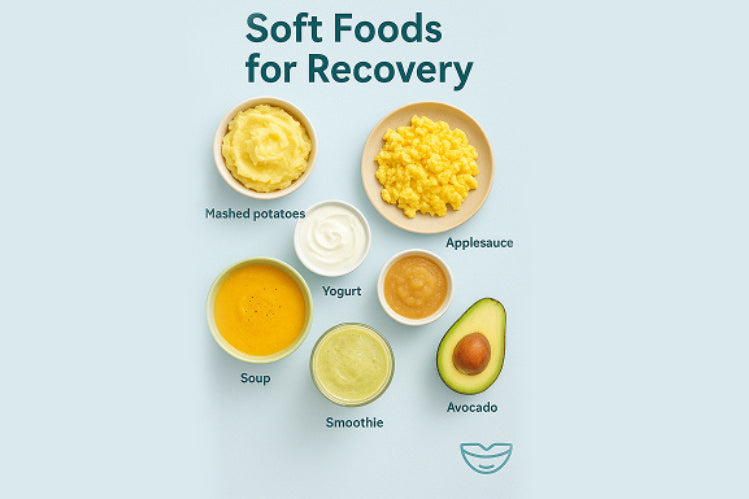
For most patients, the easiest approach is to begin with cool or lukewarm liquids and very soft foods before gradually returning to a more varied diet. Yogurt, mashed potatoes, scrambled eggs, smooth soups and soft fruits can provide nutrition without requiring much chewing.
However, food choices are only one part of recovery. Oral hygiene, sleeping position, swelling management and following the dentist’s instructions also influence the healing experience.
This guide examines the best food for wisdom teeth recovery, compares suitable meal options and explains practical ways to manage discomfort during the first several days after extraction.
What Should You Eat After Wisdom Teeth Removal?
Wisdom teeth are the third molars located at the back of the mouth. Their removal may involve a straightforward extraction or a surgical procedure, depending on whether the teeth are impacted or positioned beneath the gum.
After extraction, a blood clot develops in the empty tooth socket. This clot protects the underlying tissue while healing begins. Dislodging it can lead to a painful complication called dry socket.
That is why the best thing to eat after wisdom teeth removal should meet three basic requirements:
- Soft texture: Food should require little or no chewing, especially during the first 24 to 48 hours.
- Good nutritional value: Protein, vitamins, minerals and sufficient calories support the body’s normal healing processes.
- Minimal irritation: Meals should not contain sharp, crunchy, spicy or very hot ingredients that could disturb the extraction area.
Individual recovery varies. Someone who has had a simple extraction may return to normal eating sooner than someone who has undergone multiple surgical extractions.
8 Best Foods for Wisdom Teeth Recovery
The following foods are practical options because they are generally soft, easy to prepare and adaptable to different stages of recovery.
1. Plain Yogurt
Plain yogurt is one of the most convenient foods immediately after wisdom teeth removal. Its smooth consistency makes it easy to swallow without much chewing, while its protein and calcium content contribute to everyday nutritional needs.
Choose smooth varieties without granola, seeds, nuts or crunchy toppings. Greek yogurt can provide additional protein, although the texture should be comfortable for the patient.
Yogurt served cool may also feel soothing during the early recovery period. Avoid extremely cold temperatures if they cause sensitivity.
2. Mashed Potatoes
Mashed potatoes are a filling option for people who need something more substantial than liquids. They provide carbohydrates and can be prepared with milk or a small amount of butter to create a smooth consistency.
Make sure the potatoes are completely soft, without crispy edges or hard pieces. Allow them to cool until lukewarm before eating.
For additional nutrition, mashed sweet potatoes are another option. They provide beta-carotene, which the body converts into vitamin A.
3. Scrambled Eggs
Eggs provide protein, vitamin B12 and other nutrients that make them a useful addition to a recovery diet.
Soft scrambled eggs are generally easier to manage than fried eggs with crispy edges. Prepare them with a moist consistency and cut them into small portions.
They are particularly useful when patients want to move beyond yogurt, smoothies and other liquid meals.
4. Smoothies Without Seeds
Smoothies can help patients include fruit and other nutritious ingredients when chewing is uncomfortable.
Banana, mango, yogurt and milk can be blended into a smooth drink. Avoid ingredients containing small seeds, such as strawberries with visible seeds, raspberries and chia seeds, because particles may become trapped near the extraction site.
An important precaution is to drink smoothies from a cup or spoon rather than using a straw. Suction from straws can disturb the blood clot and increase the risk of dry socket.
5. Smooth Vegetable Soups
Soup is a practical way to combine several ingredients into an easy-to-eat meal. Pumpkin, carrot, potato and cauliflower can be cooked thoroughly and blended until completely smooth.
The best blended soups for wisdom teeth recovery are those without seeds, hard vegetable pieces, crunchy toppings or excessive spices.
Allow soup to cool to a comfortable lukewarm temperature before eating. Very hot food can irritate the extraction area, particularly during the first day.
6. Applesauce and Mashed Bananas
Applesauce and mashed bananas provide a convenient way to include fruit without biting or chewing.
Applesauce should be smooth rather than containing firm fruit chunks. Ripe bananas can be mashed with a fork or blended with yogurt to create a soft snack.
These foods are particularly useful during the initial recovery period when chewing may still be uncomfortable.
7. Oatmeal and Soft Porridge
Well-cooked oatmeal provides carbohydrates and dietary fibre. Cooking it thoroughly with additional milk or water produces a softer consistency that is easier to swallow.
Avoid adding nuts, seeds, granola or dried fruit. Also make sure the porridge is not too hot when served.
8. Soft Fish and Well-Cooked Pasta
As recovery progresses, soft fish and well-cooked pasta can help restore variety to meals.
Fish such as cod or other tender white varieties can be cooked until flaky and served without crispy skin or hard edges. Pasta should be cooked until soft and paired with a mild sauce.
These foods are more suitable once the patient can chew comfortably and the dentist has confirmed that a broader diet is appropriate.
Best Foods for Different Stages of Wisdom Teeth Recovery
Food tolerance usually improves gradually. Instead of returning to regular meals immediately, patients can adjust food texture according to comfort and the instructions provided by their oral surgeon.
| Recovery stage | Suitable food choices | What to remember |
| First 24 hours | Yogurt, applesauce, smooth pudding, cool liquids | Avoid hot food and protect the blood clot |
| Days 2 to 3 | Mashed potatoes, blended soups, scrambled eggs | Continue with soft meals |
| Days 4 to 7 | Soft pasta, tender fish, oatmeal, mashed vegetables | Gradually increase food texture if comfortable |
| Following weeks | More regular meals as tolerated | Avoid hard foods until the surgical area has healed sufficiently |
This is a general guide, not a fixed recovery schedule. Multiple extractions, impacted teeth and surgical complications can extend the time needed to return to normal eating.
Best Ice Cream for Wisdom Teeth Removal
Ice cream can be a convenient treat during the early recovery period because its soft texture requires almost no chewing. However, not every variety is equally suitable.
The best ice cream for wisdom teeth removal is generally a smooth variety without hard or sticky ingredients.
Consider these options:
- Vanilla ice cream: A simple choice without crunchy ingredients.
- Plain chocolate ice cream: Suitable when it has a smooth consistency and contains no hard chocolate pieces.
- Smooth strawberry ice cream: Can be an option if it does not contain seeds or fruit chunks.
- Plain frozen yogurt: Another soft alternative, provided it does not contain crunchy toppings.
Avoid varieties containing nuts, cookie pieces, caramel chunks, hard chocolate or other ingredients that could irritate the extraction site.
Ice cream should be treated as an occasional comfort food rather than the main source of nutrition. Yogurt, eggs, mashed vegetables and protein-rich smoothies offer more balanced everyday options.
Best Blended Soups for Wisdom Teeth Recovery
Blended soups are useful because they can combine vegetables and other nutritious ingredients into a smooth meal.
Three practical combinations include:
Pumpkin and carrot soup: Cook pumpkin and carrots until very soft, then blend with water or broth. This combination provides beta-carotene and carbohydrates.
Potato and cauliflower soup: Both vegetables become smooth when thoroughly cooked and blended. Milk can be added for a creamier consistency.
Spinach and potato soup: Well-cooked spinach and potatoes create a soft meal containing several vitamins and minerals.
For the first few days, avoid adding chilli, pepper-heavy seasoning, seeds, crispy bread or fried toppings. Serve soups lukewarm rather than piping hot.
Best Mouthwash After Wisdom Teeth Removal
Choosing the best mouthwash after wisdom teeth removal requires understanding when rinsing should begin.
During the first 24 hours, patients are generally advised not to rinse, gargle or spit forcefully because these actions may disturb the blood clot.
After the first 24 hours, gentle warm saltwater rinses are commonly recommended. A typical preparation is half a teaspoon of salt dissolved in a glass of warm water. Let the liquid move gently around the mouth rather than vigorously swishing it.
Some dentists may recommend a chlorhexidine mouthwash, such as Corsodyl, depending on the procedure and the patient’s oral health.
Corsodyl Chlorhexidine Mouthwash
A chlorhexidine-based antiseptic mouthwash used in certain dental care situations.
It may be recommended after oral surgery, but should only be used according to the dentist’s instructions. Chlorhexidine can cause temporary staining and taste changes.
Do not assume that a regular commercial mouthwash is suitable immediately after extraction. Follow the surgeon’s instructions regarding the timing and type of rinse.
Best Way to Reduce Swelling After Wisdom Teeth Removal
Swelling is a normal part of the body’s response to oral surgery. It commonly becomes more noticeable during the first few days before gradually improving.
The best way to reduce swelling after wisdom teeth removal involves following appropriate aftercare rather than trying to eliminate inflammation completely.
1. Apply a cold compress
Place a cold pack wrapped in a clean cloth against the outside of the cheek. Follow your surgeon’s recommended intervals, and avoid applying ice directly to the skin.
2. Rest after surgery
Avoid strenuous exercise, heavy lifting and activities that increase physical strain during the initial recovery period.
3. Keep your head elevated
Using an extra pillow can help make resting more comfortable and may reduce pressure around the surgical area.
4. Follow prescribed medication instructions
Take recommended pain medication as directed. Do not increase doses or combine medicines without checking with a healthcare professional.
5. Stay hydrated
Drink water regularly, using a cup rather than a straw. Avoid alcohol and smoking because they can interfere with healing.
Swelling that becomes increasingly severe after initially improving, or is accompanied by fever, pus or worsening pain, needs dental assessment.
Best Way to Sleep After Wisdom Teeth Removal
Rest is an important part of recovery, particularly during the first night following surgery.
The best way to sleep after wisdom teeth removal is generally to keep the head slightly elevated using an additional pillow or a suitable adjustable sleeping position.
A few practical precautions can help:
- Keep your head elevated rather than lying completely flat if comfortable.
- Avoid putting direct pressure on the side of your face where surgery was performed.
- Follow your surgeon’s instructions about gauze. Never sleep with loose gauze in your mouth unless specifically instructed by the treating professional.
- Keep water nearby so you can stay hydrated.
- Avoid smoking or drinking alcohol before bedtime.
If bleeding continues, follow the gauze and bleeding-control instructions provided by your dentist rather than simply going to sleep.
Elevating the head is recommended in NHS recovery guidance as one of the practical ways to manage discomfort after extraction.
Foods and Habits to Avoid During Recovery
Some foods and activities can irritate the extraction site or increase the risk of complications.
| Avoid | Why it matters |
| Popcorn and nuts | Small pieces can become trapped in extraction sockets |
| Chips and hard crackers | Sharp edges may irritate healing tissue |
| Spicy foods | May cause discomfort around the surgical area |
| Sticky sweets | Can be difficult to remove without disturbing the area |
| Very hot drinks | May irritate the surgical site, particularly during early healing |
| Alcohol | Can interfere with healing and interact with medication |
| Straws | Suction may dislodge the blood clot |
| Smoking and vaping | Increase the risk of complications and delayed healing |
Choosing the best food for wisdom teeth recovery is not simply about finding something soft. The best post wisdom teeth food should also provide enough nutrition to support healing. This is why relying entirely on ice cream, pudding or other sweet foods is not a good long-term approach.
When Should You Contact Your Dentist?
Most patients experience some discomfort, swelling and difficulty chewing after extraction. However, certain symptoms should not be ignored.
Contact your dentist or oral surgeon if you experience:
- Severe or worsening pain, particularly after initial improvement.
- Persistent bleeding that does not respond to the recommended pressure technique.
- Fever or signs of infection.
- Increasing swelling after the initial recovery period.
- An unpleasant taste or discharge accompanied by worsening symptoms.
- Severe pain that spreads towards the ear or jaw, which may indicate dry socket.
Difficulty breathing or swallowing, or rapidly increasing swelling involving the mouth or neck, requires emergency medical attention.
The NHS and AAOMS both emphasise the importance of monitoring recovery and contacting a dental professional when unusual symptoms develop.
Final Thoughts
Recovering from wisdom teeth removal becomes more manageable when meals, oral hygiene and daily activities are adjusted to suit the healing process. Yogurt, mashed potatoes, scrambled eggs, smooth soups, applesauce and seed-free smoothies are practical starting points for people who cannot comfortably chew.
As recovery progresses, soft pasta, tender fish and well-cooked vegetables can gradually restore variety to everyday meals. The most important consideration is protecting the blood clot during the initial healing period. Avoid straws, smoking, forceful rinsing and hard or crunchy foods until your dentist confirms that returning to a normal diet is appropriate.
There is no single food or recovery technique that works for everyone. Following your surgeon’s instructions, maintaining gentle oral hygiene and getting sufficient rest are more useful than relying on any one recovery product.
Leave a Reply