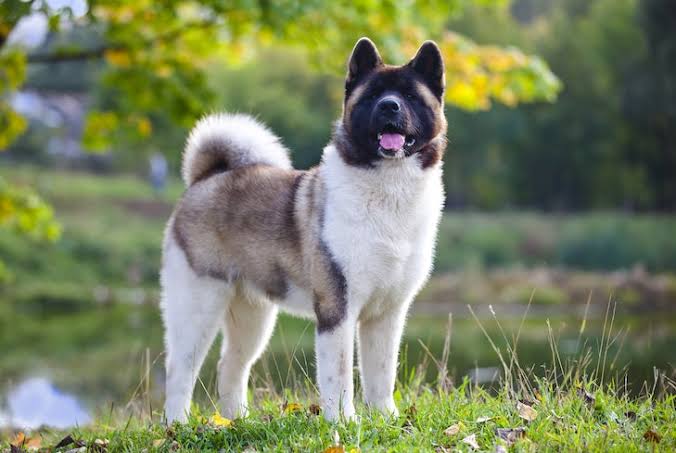
Choosing a service dog involves more than finding an intelligent breed or a dog with a friendly personality. The right candidate must be capable of performing specific tasks, remaining calm in different environments and responding reliably to its handler. A dog trained to retrieve dropped objects or assist with mobility may have different physical requirements from one trained to interrupt anxiety-related behaviours or respond to psychiatric symptoms.
Labrador Retrievers, Golden Retrievers and Standard Poodles are among the breeds commonly associated with assistance work. However, smaller breeds and mixed-breed dogs can also perform valuable service tasks when their temperament, health and abilities match the handler’s requirements.
Understanding these differences helps answer an important question: what are the best service dogs for different types of assistance? This guide compares suitable breeds for mobility and psychiatric service work, examines their strengths and limitations, and explains what to evaluate before selecting a potential working dog.
What Makes a Dog Suitable for Service Work?
A service dog is individually trained to perform specific tasks that help a person with a disability. These tasks may include retrieving objects, providing trained responses to psychiatric symptoms, assisting with navigation or alerting a handler to particular sounds.
This is different from simply having a well-behaved companion. Emotional support animals and therapy dogs can provide meaningful comfort, but they do not automatically qualify as service dogs because they are not necessarily trained to perform disability-related tasks.
According to the American Kennel Club (AKC), successful service dogs generally demonstrate several important characteristics:
- Trainability: They should learn tasks and respond consistently to instructions.
- Emotional stability: They should remain composed around unfamiliar people, noises and busy environments.
- Handler focus: They need to maintain attention without becoming easily distracted.
- Sociability: Comfortable interactions with people and other animals are important for many public-facing roles.
- Physical health: Their body structure and general health must support the demands of their assigned work.
Breed can provide useful clues about typical behaviour and physical characteristics, but it cannot guarantee working ability. Individual temperament and professional evaluation remain essential.
6 Best Dog Breeds for Different Types of Service Work
1. Labrador Retriever
The Labrador Retriever is one of the most widely recognised breeds in assistance work. Its combination of sociability, trainability and willingness to retrieve objects makes it suitable for several service roles.
Potential service roles:
- Mobility assistance.
- Retrieving dropped objects.
- Carrying lightweight everyday items.
- Psychiatric task work.
- Medical response tasks.
Strengths: Labradors are generally people-oriented and enjoy learning activities with their handlers. Their retrieving instincts can be particularly useful for tasks involving picking up and carrying objects.
Limitations: They need regular exercise and can be energetic when young. Their tendency to shed also makes coat maintenance an ongoing consideration.
Best suited for: People looking for a versatile service dog capable of learning several physical or behavioural tasks.
2. Golden Retriever
Golden Retrievers are another established choice for assistance work. Their generally friendly nature, responsiveness and willingness to cooperate can make training easier when the individual dog has suitable working temperament.
Potential service roles:
- Psychiatric assistance.
- Mobility-related object retrieval.
- Autism-related task support.
- Medical response work.
- Assistance in structured public environments.
Strengths: Golden Retrievers often form strong relationships with their handlers and are commonly selected by assistance-dog organisations.
Limitations: Their longer coats require regular grooming. Prospective owners should also consider recognised breed health concerns, including hip and elbow problems.
Best suited for: Handlers looking for a sociable, trainable dog that can perform a range of assistance tasks.
3. Standard Poodle
Standard Poodles combine intelligence, athletic ability and adaptability. Their relatively low-shedding coat makes them worth considering for households where managing loose dog hair is a priority.
Potential service roles:
- Psychiatric task assistance.
- Retrieving objects.
- Medical alert or response tasks when individually trained.
- Everyday mobility-related assistance.
Strengths: Standard Poodles are capable learners and can adapt to different training environments. Their size also makes them more suitable for certain retrieval and carrying tasks than smaller Poodle varieties.
Limitations: Their curly coats require consistent professional or home grooming. Some individuals can also become overly stimulated without appropriate exercise and mental engagement.
Best suited for: People who want an intelligent, adaptable service dog and are prepared for regular coat maintenance.
4. German Shepherd
German Shepherds are recognised for their intelligence, responsiveness and ability to learn structured working tasks. They are commonly associated with guide and assistance work, although their suitability depends heavily on individual temperament.
Potential service roles:
- Guide-related assistance.
- Psychiatric task work.
- Retrieving and carrying objects.
- Selected mobility-related tasks.
Strengths: Their learning ability, athletic build and strong engagement with handlers can make them capable working partners.
Limitations: Some individuals are naturally more vigilant or reactive than ideal for public-facing service work. Their exercise requirements and potential joint-health concerns should also be considered.
Best suited for: Experienced handlers working with a carefully evaluated dog that demonstrates stable behaviour in different environments.
5. Great Dane
Great Danes stand out because of their height and large physical frame. These characteristics can be useful for certain mobility-related tasks, particularly when retrieving objects from elevated surfaces or reaching household controls.
Potential service roles:
- Retrieving objects.
- Accessing elevated household items.
- Selected mobility-related assistance tasks.
- Psychiatric support tasks.
Strengths: Their size can provide practical advantages for tasks involving reach and carrying suitable objects. Many individuals are also affectionate and closely bonded with their families.
Limitations: Their large size creates additional housing, transport and feeding requirements. Their shorter average lifespan and predisposition to certain health problems also deserve consideration.
Best suited for: People who need a larger dog for specific reach-related tasks and have enough space and resources to support one.
6. Papillon
Not all service work requires a large dog. Papillons are small, alert and intelligent, making them potential candidates for tasks that do not involve physical weight support.
Potential service roles:
- Hearing-related alerts.
- Psychiatric task assistance.
- Sound notification.
- Certain medical response tasks when individually trained.
Strengths: Their compact size makes them easier to accommodate in smaller homes and some travel situations. They can also learn complex behaviours despite their small physical stature.
Limitations: Their size makes them unsuitable for supporting a person’s weight or performing heavy retrieval tasks. Their coat also needs regular maintenance.
Best suited for: People who need trained alerting or psychiatric tasks rather than physical mobility support.
Best Breeds for Psychiatric Service Dogs
Psychiatric service dogs are trained to perform specific tasks that help people manage the effects of psychiatric disabilities. These may include interrupting repetitive behaviours, reminding a handler to take prescribed medication, creating space in crowded environments or responding to trained cues associated with distress.
The best breeds for psychiatric service dog work generally have calm temperaments, strong handler engagement and the ability to remain composed in unfamiliar situations.
Three breeds deserve particular consideration.
Golden Retriever for Psychiatric Assistance
Golden Retrievers are often considered suitable because of their sociable nature and willingness to cooperate with handlers. They can learn tasks such as interrupting certain behaviours, retrieving medication containers and responding to trained requests for assistance.
Their friendly temperament can be an advantage in everyday public environments, although individual dogs still need proper socialisation and training.
Labrador Retriever for Psychiatric Assistance
Labradors offer a combination of trainability, adaptability and strong interest in working with people. They may be trained to perform grounding-related tasks, interrupt repetitive behaviours or retrieve useful items during difficult situations.
Their relatively versatile working characteristics make them a common consideration for psychiatric assistance programmes.
Standard Poodle for Psychiatric Assistance
Standard Poodles can be suitable for people who want an intelligent and adaptable working companion. Their ability to learn complex behaviours makes them candidates for tasks involving reminders, interruption and retrieving objects.
Their lower-shedding coat may also be preferable for some households, although no dog breed is completely hypoallergenic.
Comparison of Psychiatric Service Dog Breeds
| Breed | Main strength | Important consideration |
| Golden Retriever | Sociability and cooperation | Regular grooming |
| Labrador Retriever | Versatility and trainability | Exercise requirements |
| Standard Poodle | Intelligence and adaptability | Coat maintenance |
| German Shepherd | Structured task learning | Individual temperament assessment |
These are potential breed choices rather than guaranteed recommendations. A dog that is highly sensitive to environmental changes or easily affected by its handler’s emotional state may struggle with demanding public-access work.
The Psychiatric Service Dog Partners organisation recommends evaluating the individual dog’s personality, health and ability to perform the required tasks rather than relying exclusively on breed reputation.
Best Breeds for Mobility Service Dogs
Mobility service dogs help people with physical disabilities perform specific everyday activities. Their responsibilities may include retrieving dropped objects, carrying suitable items, opening accessible doors and operating specially adapted household controls.
Some mobility tasks require a larger dog, while others can be performed by smaller breeds.
Labrador Retriever
Labradors are frequently considered for mobility assistance because of their retrieving ability, physical versatility and trainability. They can learn to pick up objects, carry lightweight items and perform other tasks that reduce the need for a handler to bend or reach.
Golden Retriever
Golden Retrievers can perform many of the same retrieval and carrying tasks. Their willingness to cooperate and established use in assistance-dog programmes make them another practical candidate.
Great Dane
Great Danes can offer advantages when a task requires additional height or reach. Their size may help them access certain household objects and controls that smaller dogs cannot comfortably reach.
However, their size should not be confused with automatic suitability for physically supporting a person.
Bernese Mountain Dog
Bernese Mountain Dogs are large, generally people-oriented dogs that may be considered for selected assistance tasks. Their physical size can be useful for retrieving and carrying appropriate items.
However, their thick coat, grooming needs, potential joint problems and relatively short lifespan are important considerations.
Comparison of Mobility Service Dog Breeds
| Breed | Potential advantage | Main limitation |
| Labrador Retriever | Retrieving and versatility | Requires regular exercise |
| Golden Retriever | Cooperation and retrieval | Grooming and shedding |
| Great Dane | Height and reach | Size and health considerations |
| Bernese Mountain Dog | Large physical frame | Grooming and joint health |
An important safety consideration: Mobility assistance does not necessarily mean supporting a person’s body weight. Using a dog as a brace or for weight-bearing support can injure the animal. Any such task requires specialist assessment of the dog’s structure, health and the equipment involved. Alternative tasks such as retrieving objects, opening doors and carrying lightweight items are often more appropriate.
The American Kennel Club also highlights the importance of matching a dog’s physical size to the actual task rather than selecting a breed simply because it is large.
How to Compare and Select a Service Dog Breed
Before choosing a particular breed, prospective handlers should evaluate the dog’s suitability against the practical requirements of their daily lives.
| Selection factor | What to evaluate |
| Task requirements | Can the dog physically perform the intended tasks? |
| Temperament | Does it remain calm around unfamiliar people and noises? |
| Trainability | Can it learn and repeat tasks reliably? |
| Health | Have relevant inherited and physical health concerns been assessed? |
| Size | Is its mature size appropriate for the work and living environment? |
| Maintenance | Can the handler manage grooming, exercise and veterinary care? |
| Public behaviour | Can the dog remain focused in different environments? |
It is also important to consider the dog’s source. Reputable assistance-dog organisations and responsible breeders can provide useful information about health screening, temperament and working history.
A puppy from a well-known breed is not automatically a suitable service dog. Some dogs do not complete training because of health, behavioural or environmental challenges. Choosing an individual with suitable characteristics is more important than purchasing a particular pedigree.
Can Any Dog Breed Become a Service Dog?
Yes. In the United States, the Americans with Disabilities Act (ADA) does not restrict service dogs to particular breeds or sizes. A dog must be individually trained to perform disability-related tasks and meet applicable behavioural requirements.
However, legal eligibility and practical suitability are two different considerations.
For example, a Chihuahua may be an excellent candidate for hearing alerts or certain psychiatric tasks but would not be suitable for physically supporting a person. A large dog may have the physical capacity for certain retrieval tasks but still lack the temperament required for reliable public-access work.
Mixed-breed dogs can also become successful service dogs when they have appropriate health, temperament and training.
It is equally important to understand that emotional support animals are not automatically service dogs. Companionship alone does not meet the ADA’s definition of a trained service animal.
Final Thoughts
Selecting a service dog should begin with the tasks a person needs help performing, not simply a preference for a particular breed.
Labrador Retrievers and Golden Retrievers are versatile options for many assistance roles, while Standard Poodles offer adaptability and a lower-shedding coat. German Shepherds may suit certain structured working roles, and larger breeds such as Great Danes can offer practical advantages for tasks requiring additional reach. Smaller breeds, including Papillons, can also perform valuable alerting and psychiatric tasks.
The best breeds for service dogs are ultimately those that combine suitable physical characteristics, stable temperament, good health and reliable training.
Before choosing a dog, compare its individual abilities with the assistance required, consult experienced service-dog trainers and discuss physical requirements with a veterinarian. A carefully matched dog is more likely to develop into a dependable working partner and maintain a healthy quality of life throughout its working years.
Leave a Reply