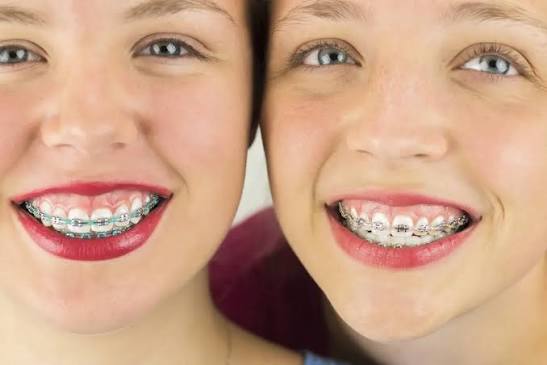
Choosing braces is not only about straightening teeth. For many people, especially teenagers, selecting the right rubber band colours is also part of the experience. Braces can become a way to express personal style, coordinate with clothing or celebrate occasions through different colour combinations.
However, appearance is only one part of orthodontic care. Choosing suitable mouth rinses, toothbrushes and products for managing discomfort can make everyday treatment easier. The right products also help maintain oral hygiene around brackets and wires, where food particles and plaque can accumulate.
This guide looks at popular braces colour choices, explains which rubber bands work well for different preferences and compares practical care products worth considering. It also covers important factors such as staining, cleaning effectiveness, age suitability and safe pain management.
How to Choose the Right Rubber Band Colours for Braces
Most traditional braces use small elastic ligatures to hold the archwire against the brackets. These rubber bands are available in different colours and can usually be changed during orthodontic adjustment appointments.
The best colour rubber bands for braces depends on personal preference, skin tone, clothing choices and how much maintenance someone is comfortable with. Some colours create a noticeable contrast with teeth, while others provide a more subtle appearance.
Before choosing a colour, consider three things:
- Appearance: Darker shades can create a stronger contrast, while lighter shades offer a softer look.
- Staining: Certain lighter colours may become discoloured by foods and drinks such as coffee, tea and strongly coloured sauces.
- Personal preference: School events, festivals, holidays and favourite colours can all influence the choice.
Remember that elastic colours are temporary. They are generally replaced during adjustment appointments, making it easy to experiment with different combinations.
Best Braces Colours to Consider
1. Blue and Navy
Blue is a popular choice because it creates a noticeable contrast against the natural colour of teeth. Navy and darker blue shades can provide a relatively understated appearance while still adding personality.
These shades are worth considering for people who want colourful braces without choosing particularly bright colours.
2. Purple and Violet
Purple offers a balance between a playful and relatively subtle appearance. Dark violet can create a stronger contrast, while lighter purple provides a softer look.
It is also a flexible choice for people who enjoy experimenting with different colour combinations.
3. Teal and Turquoise
Teal and turquoise provide a brighter alternative to conventional blue. They can create an attractive appearance without being as visually intense as some neon colours.
However, the final appearance depends on the specific shade selected and the natural colour of the teeth.
4. Black and Dark Grey
Black and dark grey create a strong contrast and are sometimes selected by people who prefer a more neutral appearance.
One consideration is that very dark colours can occasionally make teeth appear darker than they actually are. Ask your orthodontist to show you the available shades before choosing.
5. Red and Pink
Red and pink are expressive choices that work well for people who prefer brighter colours. They can also be coordinated with special occasions or personal preferences.
Some lighter pink shades may be more vulnerable to visible staining, so maintenance is worth considering.
Best Braces Colors for Guys
People looking for the best braces color for guys often prefer shades that look coordinated without appearing overly bright. However, colour selection is personal, and there are no colours that are exclusively suitable for men or women.
Some combinations worth considering include:
- Navy blue and silver: A relatively understated combination suitable for everyday wear.
- Black and dark grey: A neutral combination for people who prefer darker shades.
- Dark purple: Provides colour without looking particularly bright.
- Teal and navy: A more noticeable combination with contrasting shades.
- Red and black: A stronger combination for people who prefer bold colours.
The best braces colors for guys ultimately depend on individual preferences. Trying different combinations at adjustment appointments is an easy way to discover which shades look most appealing.
Best Mouth Rinse for Braces
Mouth rinse can support an orthodontic cleaning routine, particularly when it contains fluoride. Brackets and wires create additional spaces where plaque can collect, increasing the importance of maintaining good oral hygiene.
When comparing the best mouth rinse for braces, look for:
- Fluoride to help strengthen tooth enamel.
- An alcohol-free formula if alcohol-based rinses cause irritation or dryness.
- A formulation suitable for the patient’s age.
- Clear instructions regarding frequency and use.
Two products worth considering are:
Colgate Phos-Flur Fluoride Mouth Rinse, Mint Flavour, 500ml,…
An alcohol-free fluoride rinse marketed for orthodontic care. Worth comparing for people looking for a dedicated braces-friendly rinse.
Amflor Mouthwash for Braces Prevents Cavities & White Spot L…
An orthodontic-focused mouthwash option available through an Indian retailer. Check the fluoride concentration and age instructions before purchasing.
A mouth rinse should complement brushing and flossing rather than replace them. The AAO recommends fluoride rinses as an additional way to support enamel protection during orthodontic treatment.
Best Toothbrush for Kids With Braces
Children wearing braces often need extra help cleaning around brackets, wires and the spaces between teeth. A toothbrush with soft bristles and a manageable head size can make the process easier.
The best toothbrush for kids with braces should offer:
- Soft bristles that are gentle on gums.
- A compact head that can reach back teeth.
- Easy handling for smaller hands.
- A design that allows cleaning above and below brackets.
Two orthodontic toothbrushes worth comparing are:
Colgate Orthodontic Slim Soft Toothbrush
An orthodontic toothbrush option designed for cleaning around braces. Its suitability depends on the child’s age, mouth size and brushing technique.
STIM Ortho MB Toothbrush
An orthodontic-style toothbrush available through FirstCry. Check the brush dimensions and bristle softness before selecting it for a child.
Both manual and electric toothbrushes can work well. The more important consideration is whether the child can consistently clean every tooth surface and the areas surrounding the brackets.
The AAO recommends brushing for approximately two minutes and using interdental brushes to reach difficult areas.
Best Pain Reliever for Braces
Some soreness is common after braces are initially fitted or adjusted. This usually results from the pressure applied to teeth as they gradually move into new positions.
The best pain reliever for braces depends on the individual’s age, medical history and other medications.
Common over-the-counter options include:
- Paracetamol (acetaminophen): Often used for mild to moderate pain. It may be suitable for people who cannot take certain anti-inflammatory medicines, but dosage limits must be followed.
- Ibuprofen: An anti-inflammatory pain reliever that may help with discomfort. It is not suitable for everyone, including some people with stomach ulcers, kidney problems or certain medication interactions.
Always consult a dentist, pharmacist or doctor before giving pain medication to a child. Follow the product’s age-specific instructions and never exceed the recommended dose.
Other simple measures may help:
- Eat soft foods for a short period after adjustments.
- Use orthodontic wax when brackets irritate the cheeks or lips.
- Try a gentle warm saltwater rinse.
- Avoid unnecessarily hard or chewy foods.
Pain that becomes severe, persists or is accompanied by swelling should be assessed by a dental professional rather than managed with repeated pain medication.
Comparison of Braces Colours and Care Products
| Option | Main benefit | Important consideration |
| Navy blue bands | Noticeable contrast | Personal colour preference |
| Purple bands | Versatile appearance | Lighter shades may stain |
| Black and grey bands | Neutral appearance | Can make teeth look darker |
| Fluoride mouth rinse | Additional enamel protection | Check age and fluoride concentration |
| Orthodontic toothbrush | Helps clean around brackets | Correct brushing technique matters |
| Pain relievers | Temporary discomfort management | Check contraindications and dosage |
Common Mistakes to Avoid When Choosing Braces Accessories
Even suitable orthodontic products may not provide the expected results if they are used incorrectly.
Changing orthodontic elastics yourself: Decorative rubber bands around brackets are different from functional elastics used to correct bite problems. Never change the placement or tension of prescribed orthodontic elastics without professional instructions.
Choosing colours without considering staining: White, pale yellow and some lighter shades can become discoloured, particularly with frequent exposure to strongly coloured foods and drinks.
Relying entirely on mouthwash: Rinsing does not remove all plaque around brackets. Physical cleaning with a toothbrush, floss and interdental brushes remains essential.
Using whitening products without advice: Some whitening products can produce uneven-looking results because areas underneath brackets are not exposed in the same way.
Giving children adult dental products or medication: Always check age recommendations and consult a dental professional when selecting products for younger patients.
Final Thoughts
Braces colours and orthodontic care products serve different purposes, but both contribute to the overall treatment experience. Navy blue, purple, teal and darker neutral shades offer attractive options for people experimenting with elastic colours. Meanwhile, fluoride mouth rinses, soft-bristled orthodontic toothbrushes and suitable pain management can make everyday braces care more manageable.
There is no universally best colour or product for every patient. The most suitable choices depend on personal preferences, age, oral health and orthodontic requirements.
For the best results, treat colour selection as a personal style decision and product selection as a practical dental care decision. Follow your orthodontist’s instructions, maintain a consistent cleaning routine and choose products that support healthy teeth throughout treatment.
Leave a Reply