Blog

  • Best Dog Breeds for Different Types of Service Work

    Best Dog Breeds for Different Types of Service Work

    Choosing a service dog involves more than finding an intelligent breed or a dog with a friendly personality. The right candidate must be capable of performing specific tasks, remaining calm in different environments and responding reliably to its handler. A dog trained to retrieve dropped objects or assist with mobility may have different physical requirements from one trained to interrupt anxiety-related behaviours or respond to psychiatric symptoms.

    Labrador Retrievers, Golden Retrievers and Standard Poodles are among the breeds commonly associated with assistance work. However, smaller breeds and mixed-breed dogs can also perform valuable service tasks when their temperament, health and abilities match the handler’s requirements.

    Understanding these differences helps answer an important question: what are the best service dogs for different types of assistance? This guide compares suitable breeds for mobility and psychiatric service work, examines their strengths and limitations, and explains what to evaluate before selecting a potential working dog.

    What Makes a Dog Suitable for Service Work?

    A service dog is individually trained to perform specific tasks that help a person with a disability. These tasks may include retrieving objects, providing trained responses to psychiatric symptoms, assisting with navigation or alerting a handler to particular sounds.

    This is different from simply having a well-behaved companion. Emotional support animals and therapy dogs can provide meaningful comfort, but they do not automatically qualify as service dogs because they are not necessarily trained to perform disability-related tasks.

    According to the American Kennel Club (AKC), successful service dogs generally demonstrate several important characteristics:

    • Trainability: They should learn tasks and respond consistently to instructions.
    • Emotional stability: They should remain composed around unfamiliar people, noises and busy environments.
    • Handler focus: They need to maintain attention without becoming easily distracted.
    • Sociability: Comfortable interactions with people and other animals are important for many public-facing roles.
    • Physical health: Their body structure and general health must support the demands of their assigned work.

    Breed can provide useful clues about typical behaviour and physical characteristics, but it cannot guarantee working ability. Individual temperament and professional evaluation remain essential.

    6 Best Dog Breeds for Different Types of Service Work

    1. Labrador Retriever

    The Labrador Retriever is one of the most widely recognised breeds in assistance work. Its combination of sociability, trainability and willingness to retrieve objects makes it suitable for several service roles.

    Potential service roles:

    • Mobility assistance.
    • Retrieving dropped objects.
    • Carrying lightweight everyday items.
    • Psychiatric task work.
    • Medical response tasks.

    Strengths: Labradors are generally people-oriented and enjoy learning activities with their handlers. Their retrieving instincts can be particularly useful for tasks involving picking up and carrying objects.

    Limitations: They need regular exercise and can be energetic when young. Their tendency to shed also makes coat maintenance an ongoing consideration.

    Best suited for: People looking for a versatile service dog capable of learning several physical or behavioural tasks.

    2. Golden Retriever

    Golden Retrievers are another established choice for assistance work. Their generally friendly nature, responsiveness and willingness to cooperate can make training easier when the individual dog has suitable working temperament.

    Potential service roles:

    • Psychiatric assistance.
    • Mobility-related object retrieval.
    • Autism-related task support.
    • Medical response work.
    • Assistance in structured public environments.

    Strengths: Golden Retrievers often form strong relationships with their handlers and are commonly selected by assistance-dog organisations.

    Limitations: Their longer coats require regular grooming. Prospective owners should also consider recognised breed health concerns, including hip and elbow problems.

    Best suited for: Handlers looking for a sociable, trainable dog that can perform a range of assistance tasks.

    3. Standard Poodle

    Standard Poodles combine intelligence, athletic ability and adaptability. Their relatively low-shedding coat makes them worth considering for households where managing loose dog hair is a priority.

    Potential service roles:

    • Psychiatric task assistance.
    • Retrieving objects.
    • Medical alert or response tasks when individually trained.
    • Everyday mobility-related assistance.

    Strengths: Standard Poodles are capable learners and can adapt to different training environments. Their size also makes them more suitable for certain retrieval and carrying tasks than smaller Poodle varieties.

    Limitations: Their curly coats require consistent professional or home grooming. Some individuals can also become overly stimulated without appropriate exercise and mental engagement.

    Best suited for: People who want an intelligent, adaptable service dog and are prepared for regular coat maintenance.

    4. German Shepherd

    German Shepherds are recognised for their intelligence, responsiveness and ability to learn structured working tasks. They are commonly associated with guide and assistance work, although their suitability depends heavily on individual temperament.

    Potential service roles:

    • Guide-related assistance.
    • Psychiatric task work.
    • Retrieving and carrying objects.
    • Selected mobility-related tasks.

    Strengths: Their learning ability, athletic build and strong engagement with handlers can make them capable working partners.

    Limitations: Some individuals are naturally more vigilant or reactive than ideal for public-facing service work. Their exercise requirements and potential joint-health concerns should also be considered.

    Best suited for: Experienced handlers working with a carefully evaluated dog that demonstrates stable behaviour in different environments.

    5. Great Dane

    Great Danes stand out because of their height and large physical frame. These characteristics can be useful for certain mobility-related tasks, particularly when retrieving objects from elevated surfaces or reaching household controls.

    Potential service roles:

    • Retrieving objects.
    • Accessing elevated household items.
    • Selected mobility-related assistance tasks.
    • Psychiatric support tasks.

    Strengths: Their size can provide practical advantages for tasks involving reach and carrying suitable objects. Many individuals are also affectionate and closely bonded with their families.

    Limitations: Their large size creates additional housing, transport and feeding requirements. Their shorter average lifespan and predisposition to certain health problems also deserve consideration.

    Best suited for: People who need a larger dog for specific reach-related tasks and have enough space and resources to support one.

    6. Papillon

    Not all service work requires a large dog. Papillons are small, alert and intelligent, making them potential candidates for tasks that do not involve physical weight support.

    Potential service roles:

    • Hearing-related alerts.
    • Psychiatric task assistance.
    • Sound notification.
    • Certain medical response tasks when individually trained.

    Strengths: Their compact size makes them easier to accommodate in smaller homes and some travel situations. They can also learn complex behaviours despite their small physical stature.

    Limitations: Their size makes them unsuitable for supporting a person’s weight or performing heavy retrieval tasks. Their coat also needs regular maintenance.

    Best suited for: People who need trained alerting or psychiatric tasks rather than physical mobility support.

    Best Breeds for Psychiatric Service Dogs

    Psychiatric service dogs are trained to perform specific tasks that help people manage the effects of psychiatric disabilities. These may include interrupting repetitive behaviours, reminding a handler to take prescribed medication, creating space in crowded environments or responding to trained cues associated with distress.

    The best breeds for psychiatric service dog work generally have calm temperaments, strong handler engagement and the ability to remain composed in unfamiliar situations.

    Three breeds deserve particular consideration.

    Golden Retriever for Psychiatric Assistance

    Golden Retrievers are often considered suitable because of their sociable nature and willingness to cooperate with handlers. They can learn tasks such as interrupting certain behaviours, retrieving medication containers and responding to trained requests for assistance.

    Their friendly temperament can be an advantage in everyday public environments, although individual dogs still need proper socialisation and training.

    Labrador Retriever for Psychiatric Assistance

    Labradors offer a combination of trainability, adaptability and strong interest in working with people. They may be trained to perform grounding-related tasks, interrupt repetitive behaviours or retrieve useful items during difficult situations.

    Their relatively versatile working characteristics make them a common consideration for psychiatric assistance programmes.

    Standard Poodle for Psychiatric Assistance

    Standard Poodles can be suitable for people who want an intelligent and adaptable working companion. Their ability to learn complex behaviours makes them candidates for tasks involving reminders, interruption and retrieving objects.

    Their lower-shedding coat may also be preferable for some households, although no dog breed is completely hypoallergenic.

    Comparison of Psychiatric Service Dog Breeds

    BreedMain strengthImportant consideration
    Golden RetrieverSociability and cooperationRegular grooming
    Labrador RetrieverVersatility and trainabilityExercise requirements
    Standard PoodleIntelligence and adaptabilityCoat maintenance
    German ShepherdStructured task learningIndividual temperament assessment

    These are potential breed choices rather than guaranteed recommendations. A dog that is highly sensitive to environmental changes or easily affected by its handler’s emotional state may struggle with demanding public-access work.

    The Psychiatric Service Dog Partners organisation recommends evaluating the individual dog’s personality, health and ability to perform the required tasks rather than relying exclusively on breed reputation.

    Best Breeds for Mobility Service Dogs

    Mobility service dogs help people with physical disabilities perform specific everyday activities. Their responsibilities may include retrieving dropped objects, carrying suitable items, opening accessible doors and operating specially adapted household controls.

    Some mobility tasks require a larger dog, while others can be performed by smaller breeds.

    Labrador Retriever

    Labradors are frequently considered for mobility assistance because of their retrieving ability, physical versatility and trainability. They can learn to pick up objects, carry lightweight items and perform other tasks that reduce the need for a handler to bend or reach.

    Golden Retriever

    Golden Retrievers can perform many of the same retrieval and carrying tasks. Their willingness to cooperate and established use in assistance-dog programmes make them another practical candidate.

    Great Dane

    Great Danes can offer advantages when a task requires additional height or reach. Their size may help them access certain household objects and controls that smaller dogs cannot comfortably reach.

    However, their size should not be confused with automatic suitability for physically supporting a person.

    Bernese Mountain Dog

    Bernese Mountain Dogs are large, generally people-oriented dogs that may be considered for selected assistance tasks. Their physical size can be useful for retrieving and carrying appropriate items.

    However, their thick coat, grooming needs, potential joint problems and relatively short lifespan are important considerations.

    Comparison of Mobility Service Dog Breeds

    BreedPotential advantageMain limitation
    Labrador RetrieverRetrieving and versatilityRequires regular exercise
    Golden RetrieverCooperation and retrievalGrooming and shedding
    Great DaneHeight and reachSize and health considerations
    Bernese Mountain DogLarge physical frameGrooming and joint health

    An important safety consideration: Mobility assistance does not necessarily mean supporting a person’s body weight. Using a dog as a brace or for weight-bearing support can injure the animal. Any such task requires specialist assessment of the dog’s structure, health and the equipment involved. Alternative tasks such as retrieving objects, opening doors and carrying lightweight items are often more appropriate.

    The American Kennel Club also highlights the importance of matching a dog’s physical size to the actual task rather than selecting a breed simply because it is large.

    How to Compare and Select a Service Dog Breed

    Before choosing a particular breed, prospective handlers should evaluate the dog’s suitability against the practical requirements of their daily lives.

    Selection factorWhat to evaluate
    Task requirementsCan the dog physically perform the intended tasks?
    TemperamentDoes it remain calm around unfamiliar people and noises?
    TrainabilityCan it learn and repeat tasks reliably?
    HealthHave relevant inherited and physical health concerns been assessed?
    SizeIs its mature size appropriate for the work and living environment?
    MaintenanceCan the handler manage grooming, exercise and veterinary care?
    Public behaviourCan the dog remain focused in different environments?

    It is also important to consider the dog’s source. Reputable assistance-dog organisations and responsible breeders can provide useful information about health screening, temperament and working history.

    A puppy from a well-known breed is not automatically a suitable service dog. Some dogs do not complete training because of health, behavioural or environmental challenges. Choosing an individual with suitable characteristics is more important than purchasing a particular pedigree.

    Can Any Dog Breed Become a Service Dog?

    Yes. In the United States, the Americans with Disabilities Act (ADA) does not restrict service dogs to particular breeds or sizes. A dog must be individually trained to perform disability-related tasks and meet applicable behavioural requirements.

    However, legal eligibility and practical suitability are two different considerations.

    For example, a Chihuahua may be an excellent candidate for hearing alerts or certain psychiatric tasks but would not be suitable for physically supporting a person. A large dog may have the physical capacity for certain retrieval tasks but still lack the temperament required for reliable public-access work.

    Mixed-breed dogs can also become successful service dogs when they have appropriate health, temperament and training.

    It is equally important to understand that emotional support animals are not automatically service dogs. Companionship alone does not meet the ADA’s definition of a trained service animal.

    Final Thoughts

    Selecting a service dog should begin with the tasks a person needs help performing, not simply a preference for a particular breed.

    Labrador Retrievers and Golden Retrievers are versatile options for many assistance roles, while Standard Poodles offer adaptability and a lower-shedding coat. German Shepherds may suit certain structured working roles, and larger breeds such as Great Danes can offer practical advantages for tasks requiring additional reach. Smaller breeds, including Papillons, can also perform valuable alerting and psychiatric tasks.

    The best breeds for service dogs are ultimately those that combine suitable physical characteristics, stable temperament, good health and reliable training.

    Before choosing a dog, compare its individual abilities with the assistance required, consult experienced service-dog trainers and discuss physical requirements with a veterinarian. A carefully matched dog is more likely to develop into a dependable working partner and maintain a healthy quality of life throughout its working years.

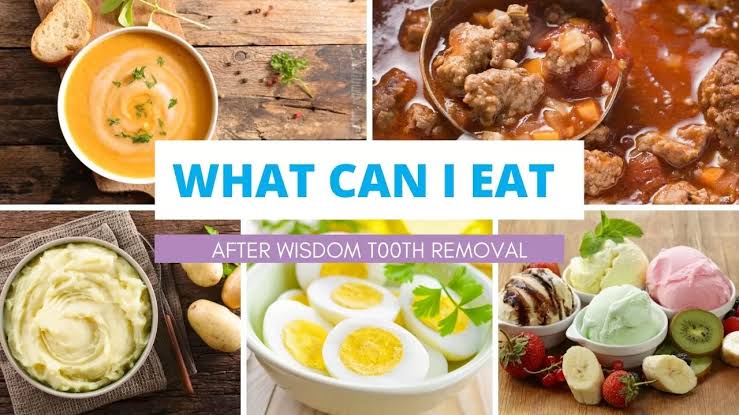
  • Best Foods and Recovery Tips After Wisdom Teeth Removal

    Best Foods and Recovery Tips After Wisdom Teeth Removal

    Recovering from wisdom teeth removal requires more than simply avoiding solid food for a few days. The first stage of healing involves managing swelling, protecting the blood clot that forms in the extraction site and choosing meals that do not irritate the surgical area. Eating the wrong foods too early can cause unnecessary discomfort and may interfere with normal healing.

    For most patients, the easiest approach is to begin with cool or lukewarm liquids and very soft foods before gradually returning to a more varied diet. Yogurt, mashed potatoes, scrambled eggs, smooth soups and soft fruits can provide nutrition without requiring much chewing.

    However, food choices are only one part of recovery. Oral hygiene, sleeping position, swelling management and following the dentist’s instructions also influence the healing experience.

    This guide examines the best food for wisdom teeth recovery, compares suitable meal options and explains practical ways to manage discomfort during the first several days after extraction.

    What Should You Eat After Wisdom Teeth Removal?

    Wisdom teeth are the third molars located at the back of the mouth. Their removal may involve a straightforward extraction or a surgical procedure, depending on whether the teeth are impacted or positioned beneath the gum.

    After extraction, a blood clot develops in the empty tooth socket. This clot protects the underlying tissue while healing begins. Dislodging it can lead to a painful complication called dry socket.

    That is why the best thing to eat after wisdom teeth removal should meet three basic requirements:

    • Soft texture: Food should require little or no chewing, especially during the first 24 to 48 hours.
    • Good nutritional value: Protein, vitamins, minerals and sufficient calories support the body’s normal healing processes.
    • Minimal irritation: Meals should not contain sharp, crunchy, spicy or very hot ingredients that could disturb the extraction area.

    Individual recovery varies. Someone who has had a simple extraction may return to normal eating sooner than someone who has undergone multiple surgical extractions.

    8 Best Foods for Wisdom Teeth Recovery

    The following foods are practical options because they are generally soft, easy to prepare and adaptable to different stages of recovery.

    1. Plain Yogurt

    Plain yogurt is one of the most convenient foods immediately after wisdom teeth removal. Its smooth consistency makes it easy to swallow without much chewing, while its protein and calcium content contribute to everyday nutritional needs.

    Choose smooth varieties without granola, seeds, nuts or crunchy toppings. Greek yogurt can provide additional protein, although the texture should be comfortable for the patient.

    Yogurt served cool may also feel soothing during the early recovery period. Avoid extremely cold temperatures if they cause sensitivity.

    2. Mashed Potatoes

    Mashed potatoes are a filling option for people who need something more substantial than liquids. They provide carbohydrates and can be prepared with milk or a small amount of butter to create a smooth consistency.

    Make sure the potatoes are completely soft, without crispy edges or hard pieces. Allow them to cool until lukewarm before eating.

    For additional nutrition, mashed sweet potatoes are another option. They provide beta-carotene, which the body converts into vitamin A.

    3. Scrambled Eggs

    Eggs provide protein, vitamin B12 and other nutrients that make them a useful addition to a recovery diet.

    Soft scrambled eggs are generally easier to manage than fried eggs with crispy edges. Prepare them with a moist consistency and cut them into small portions.

    They are particularly useful when patients want to move beyond yogurt, smoothies and other liquid meals.

    4. Smoothies Without Seeds

    Smoothies can help patients include fruit and other nutritious ingredients when chewing is uncomfortable.

    Banana, mango, yogurt and milk can be blended into a smooth drink. Avoid ingredients containing small seeds, such as strawberries with visible seeds, raspberries and chia seeds, because particles may become trapped near the extraction site.

    An important precaution is to drink smoothies from a cup or spoon rather than using a straw. Suction from straws can disturb the blood clot and increase the risk of dry socket.

    5. Smooth Vegetable Soups

    Soup is a practical way to combine several ingredients into an easy-to-eat meal. Pumpkin, carrot, potato and cauliflower can be cooked thoroughly and blended until completely smooth.

    The best blended soups for wisdom teeth recovery are those without seeds, hard vegetable pieces, crunchy toppings or excessive spices.

    Allow soup to cool to a comfortable lukewarm temperature before eating. Very hot food can irritate the extraction area, particularly during the first day.

    6. Applesauce and Mashed Bananas

    Applesauce and mashed bananas provide a convenient way to include fruit without biting or chewing.

    Applesauce should be smooth rather than containing firm fruit chunks. Ripe bananas can be mashed with a fork or blended with yogurt to create a soft snack.

    These foods are particularly useful during the initial recovery period when chewing may still be uncomfortable.

    7. Oatmeal and Soft Porridge

    Well-cooked oatmeal provides carbohydrates and dietary fibre. Cooking it thoroughly with additional milk or water produces a softer consistency that is easier to swallow.

    Avoid adding nuts, seeds, granola or dried fruit. Also make sure the porridge is not too hot when served.

    8. Soft Fish and Well-Cooked Pasta

    As recovery progresses, soft fish and well-cooked pasta can help restore variety to meals.

    Fish such as cod or other tender white varieties can be cooked until flaky and served without crispy skin or hard edges. Pasta should be cooked until soft and paired with a mild sauce.

    These foods are more suitable once the patient can chew comfortably and the dentist has confirmed that a broader diet is appropriate.

    Best Foods for Different Stages of Wisdom Teeth Recovery

    Food tolerance usually improves gradually. Instead of returning to regular meals immediately, patients can adjust food texture according to comfort and the instructions provided by their oral surgeon.

    Recovery stageSuitable food choicesWhat to remember
    First 24 hoursYogurt, applesauce, smooth pudding, cool liquidsAvoid hot food and protect the blood clot
    Days 2 to 3Mashed potatoes, blended soups, scrambled eggsContinue with soft meals
    Days 4 to 7Soft pasta, tender fish, oatmeal, mashed vegetablesGradually increase food texture if comfortable
    Following weeksMore regular meals as toleratedAvoid hard foods until the surgical area has healed sufficiently

    This is a general guide, not a fixed recovery schedule. Multiple extractions, impacted teeth and surgical complications can extend the time needed to return to normal eating.

    Best Ice Cream for Wisdom Teeth Removal

    Ice cream can be a convenient treat during the early recovery period because its soft texture requires almost no chewing. However, not every variety is equally suitable.

    The best ice cream for wisdom teeth removal is generally a smooth variety without hard or sticky ingredients.

    Consider these options:

    • Vanilla ice cream: A simple choice without crunchy ingredients.
    • Plain chocolate ice cream: Suitable when it has a smooth consistency and contains no hard chocolate pieces.
    • Smooth strawberry ice cream: Can be an option if it does not contain seeds or fruit chunks.
    • Plain frozen yogurt: Another soft alternative, provided it does not contain crunchy toppings.

    Avoid varieties containing nuts, cookie pieces, caramel chunks, hard chocolate or other ingredients that could irritate the extraction site.

    Ice cream should be treated as an occasional comfort food rather than the main source of nutrition. Yogurt, eggs, mashed vegetables and protein-rich smoothies offer more balanced everyday options.

    Best Blended Soups for Wisdom Teeth Recovery

    Blended soups are useful because they can combine vegetables and other nutritious ingredients into a smooth meal.

    Three practical combinations include:

    Pumpkin and carrot soup: Cook pumpkin and carrots until very soft, then blend with water or broth. This combination provides beta-carotene and carbohydrates.

    Potato and cauliflower soup: Both vegetables become smooth when thoroughly cooked and blended. Milk can be added for a creamier consistency.

    Spinach and potato soup: Well-cooked spinach and potatoes create a soft meal containing several vitamins and minerals.

    For the first few days, avoid adding chilli, pepper-heavy seasoning, seeds, crispy bread or fried toppings. Serve soups lukewarm rather than piping hot.

    Best Mouthwash After Wisdom Teeth Removal

    Choosing the best mouthwash after wisdom teeth removal requires understanding when rinsing should begin.

    During the first 24 hours, patients are generally advised not to rinse, gargle or spit forcefully because these actions may disturb the blood clot.

    After the first 24 hours, gentle warm saltwater rinses are commonly recommended. A typical preparation is half a teaspoon of salt dissolved in a glass of warm water. Let the liquid move gently around the mouth rather than vigorously swishing it.

    Some dentists may recommend a chlorhexidine mouthwash, such as Corsodyl, depending on the procedure and the patient’s oral health.

    Corsodyl Chlorhexidine Mouthwash

    A chlorhexidine-based antiseptic mouthwash used in certain dental care situations.

    It may be recommended after oral surgery, but should only be used according to the dentist’s instructions. Chlorhexidine can cause temporary staining and taste changes.

    Do not assume that a regular commercial mouthwash is suitable immediately after extraction. Follow the surgeon’s instructions regarding the timing and type of rinse.

    Best Way to Reduce Swelling After Wisdom Teeth Removal

    Swelling is a normal part of the body’s response to oral surgery. It commonly becomes more noticeable during the first few days before gradually improving.

    The best way to reduce swelling after wisdom teeth removal involves following appropriate aftercare rather than trying to eliminate inflammation completely.

    1. Apply a cold compress

    Place a cold pack wrapped in a clean cloth against the outside of the cheek. Follow your surgeon’s recommended intervals, and avoid applying ice directly to the skin.

    2. Rest after surgery

    Avoid strenuous exercise, heavy lifting and activities that increase physical strain during the initial recovery period.

    3. Keep your head elevated

    Using an extra pillow can help make resting more comfortable and may reduce pressure around the surgical area.

    4. Follow prescribed medication instructions

    Take recommended pain medication as directed. Do not increase doses or combine medicines without checking with a healthcare professional.

    5. Stay hydrated

    Drink water regularly, using a cup rather than a straw. Avoid alcohol and smoking because they can interfere with healing.

    Swelling that becomes increasingly severe after initially improving, or is accompanied by fever, pus or worsening pain, needs dental assessment.

    Best Way to Sleep After Wisdom Teeth Removal

    Rest is an important part of recovery, particularly during the first night following surgery.

    The best way to sleep after wisdom teeth removal is generally to keep the head slightly elevated using an additional pillow or a suitable adjustable sleeping position.

    A few practical precautions can help:

    • Keep your head elevated rather than lying completely flat if comfortable.
    • Avoid putting direct pressure on the side of your face where surgery was performed.
    • Follow your surgeon’s instructions about gauze. Never sleep with loose gauze in your mouth unless specifically instructed by the treating professional.
    • Keep water nearby so you can stay hydrated.
    • Avoid smoking or drinking alcohol before bedtime.

    If bleeding continues, follow the gauze and bleeding-control instructions provided by your dentist rather than simply going to sleep.

    Elevating the head is recommended in NHS recovery guidance as one of the practical ways to manage discomfort after extraction.

    Foods and Habits to Avoid During Recovery

    Some foods and activities can irritate the extraction site or increase the risk of complications.

    AvoidWhy it matters
    Popcorn and nutsSmall pieces can become trapped in extraction sockets
    Chips and hard crackersSharp edges may irritate healing tissue
    Spicy foodsMay cause discomfort around the surgical area
    Sticky sweetsCan be difficult to remove without disturbing the area
    Very hot drinksMay irritate the surgical site, particularly during early healing
    AlcoholCan interfere with healing and interact with medication
    StrawsSuction may dislodge the blood clot
    Smoking and vapingIncrease the risk of complications and delayed healing

    Choosing the best food for wisdom teeth recovery is not simply about finding something soft. The best post wisdom teeth food should also provide enough nutrition to support healing. This is why relying entirely on ice cream, pudding or other sweet foods is not a good long-term approach.

    When Should You Contact Your Dentist?

    Most patients experience some discomfort, swelling and difficulty chewing after extraction. However, certain symptoms should not be ignored.

    Contact your dentist or oral surgeon if you experience:

    • Severe or worsening pain, particularly after initial improvement.
    • Persistent bleeding that does not respond to the recommended pressure technique.
    • Fever or signs of infection.
    • Increasing swelling after the initial recovery period.
    • An unpleasant taste or discharge accompanied by worsening symptoms.
    • Severe pain that spreads towards the ear or jaw, which may indicate dry socket.

    Difficulty breathing or swallowing, or rapidly increasing swelling involving the mouth or neck, requires emergency medical attention.

    The NHS and AAOMS both emphasise the importance of monitoring recovery and contacting a dental professional when unusual symptoms develop.

    Final Thoughts

    Recovering from wisdom teeth removal becomes more manageable when meals, oral hygiene and daily activities are adjusted to suit the healing process. Yogurt, mashed potatoes, scrambled eggs, smooth soups, applesauce and seed-free smoothies are practical starting points for people who cannot comfortably chew.

    As recovery progresses, soft pasta, tender fish and well-cooked vegetables can gradually restore variety to everyday meals. The most important consideration is protecting the blood clot during the initial healing period. Avoid straws, smoking, forceful rinsing and hard or crunchy foods until your dentist confirms that returning to a normal diet is appropriate.

    There is no single food or recovery technique that works for everyone. Following your surgeon’s instructions, maintaining gentle oral hygiene and getting sufficient rest are more useful than relying on any one recovery product.

  • Best Braces Colors, Rubber Bands and Care Products

    Best Braces Colors, Rubber Bands and Care Products

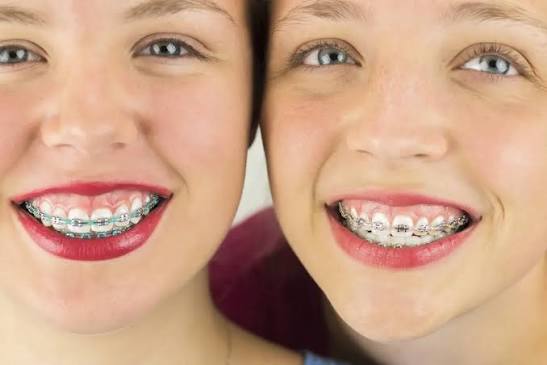
    Choosing braces is not only about straightening teeth. For many people, especially teenagers, selecting the right rubber band colours is also part of the experience. Braces can become a way to express personal style, coordinate with clothing or celebrate occasions through different colour combinations.

    However, appearance is only one part of orthodontic care. Choosing suitable mouth rinses, toothbrushes and products for managing discomfort can make everyday treatment easier. The right products also help maintain oral hygiene around brackets and wires, where food particles and plaque can accumulate.

    This guide looks at popular braces colour choices, explains which rubber bands work well for different preferences and compares practical care products worth considering. It also covers important factors such as staining, cleaning effectiveness, age suitability and safe pain management.

    How to Choose the Right Rubber Band Colours for Braces

    Most traditional braces use small elastic ligatures to hold the archwire against the brackets. These rubber bands are available in different colours and can usually be changed during orthodontic adjustment appointments.

    The best colour rubber bands for braces depends on personal preference, skin tone, clothing choices and how much maintenance someone is comfortable with. Some colours create a noticeable contrast with teeth, while others provide a more subtle appearance.

    Before choosing a colour, consider three things:

    • Appearance: Darker shades can create a stronger contrast, while lighter shades offer a softer look.
    • Staining: Certain lighter colours may become discoloured by foods and drinks such as coffee, tea and strongly coloured sauces.
    • Personal preference: School events, festivals, holidays and favourite colours can all influence the choice.

    Remember that elastic colours are temporary. They are generally replaced during adjustment appointments, making it easy to experiment with different combinations.

    Best Braces Colours to Consider

    1. Blue and Navy

    Blue is a popular choice because it creates a noticeable contrast against the natural colour of teeth. Navy and darker blue shades can provide a relatively understated appearance while still adding personality.

    These shades are worth considering for people who want colourful braces without choosing particularly bright colours.

    2. Purple and Violet

    Purple offers a balance between a playful and relatively subtle appearance. Dark violet can create a stronger contrast, while lighter purple provides a softer look.

    It is also a flexible choice for people who enjoy experimenting with different colour combinations.

    3. Teal and Turquoise

    Teal and turquoise provide a brighter alternative to conventional blue. They can create an attractive appearance without being as visually intense as some neon colours.

    However, the final appearance depends on the specific shade selected and the natural colour of the teeth.

    4. Black and Dark Grey

    Black and dark grey create a strong contrast and are sometimes selected by people who prefer a more neutral appearance.

    One consideration is that very dark colours can occasionally make teeth appear darker than they actually are. Ask your orthodontist to show you the available shades before choosing.

    5. Red and Pink

    Red and pink are expressive choices that work well for people who prefer brighter colours. They can also be coordinated with special occasions or personal preferences.

    Some lighter pink shades may be more vulnerable to visible staining, so maintenance is worth considering.

    Best Braces Colors for Guys

    People looking for the best braces color for guys often prefer shades that look coordinated without appearing overly bright. However, colour selection is personal, and there are no colours that are exclusively suitable for men or women.

    Some combinations worth considering include:

    • Navy blue and silver: A relatively understated combination suitable for everyday wear.
    • Black and dark grey: A neutral combination for people who prefer darker shades.
    • Dark purple: Provides colour without looking particularly bright.
    • Teal and navy: A more noticeable combination with contrasting shades.
    • Red and black: A stronger combination for people who prefer bold colours.

    The best braces colors for guys ultimately depend on individual preferences. Trying different combinations at adjustment appointments is an easy way to discover which shades look most appealing.

    Best Mouth Rinse for Braces

    Mouth rinse can support an orthodontic cleaning routine, particularly when it contains fluoride. Brackets and wires create additional spaces where plaque can collect, increasing the importance of maintaining good oral hygiene.

    When comparing the best mouth rinse for braces, look for:

    • Fluoride to help strengthen tooth enamel.
    • An alcohol-free formula if alcohol-based rinses cause irritation or dryness.
    • A formulation suitable for the patient’s age.
    • Clear instructions regarding frequency and use.

    Two products worth considering are:

    Colgate Phos-Flur Fluoride Mouth Rinse, Mint Flavour, 500ml,…

    An alcohol-free fluoride rinse marketed for orthodontic care. Worth comparing for people looking for a dedicated braces-friendly rinse.

    Amflor Mouthwash for Braces Prevents Cavities & White Spot L…

    An orthodontic-focused mouthwash option available through an Indian retailer. Check the fluoride concentration and age instructions before purchasing.

    A mouth rinse should complement brushing and flossing rather than replace them. The AAO recommends fluoride rinses as an additional way to support enamel protection during orthodontic treatment.

    Best Toothbrush for Kids With Braces

    Children wearing braces often need extra help cleaning around brackets, wires and the spaces between teeth. A toothbrush with soft bristles and a manageable head size can make the process easier.

    The best toothbrush for kids with braces should offer:

    • Soft bristles that are gentle on gums.
    • A compact head that can reach back teeth.
    • Easy handling for smaller hands.
    • A design that allows cleaning above and below brackets.

    Two orthodontic toothbrushes worth comparing are:

    Colgate Orthodontic Slim Soft Toothbrush

    An orthodontic toothbrush option designed for cleaning around braces. Its suitability depends on the child’s age, mouth size and brushing technique.

    STIM Ortho MB Toothbrush

    An orthodontic-style toothbrush available through FirstCry. Check the brush dimensions and bristle softness before selecting it for a child.

    Both manual and electric toothbrushes can work well. The more important consideration is whether the child can consistently clean every tooth surface and the areas surrounding the brackets.

    The AAO recommends brushing for approximately two minutes and using interdental brushes to reach difficult areas.

    Best Pain Reliever for Braces

    Some soreness is common after braces are initially fitted or adjusted. This usually results from the pressure applied to teeth as they gradually move into new positions.

    The best pain reliever for braces depends on the individual’s age, medical history and other medications.

    Common over-the-counter options include:

    • Paracetamol (acetaminophen): Often used for mild to moderate pain. It may be suitable for people who cannot take certain anti-inflammatory medicines, but dosage limits must be followed.
    • Ibuprofen: An anti-inflammatory pain reliever that may help with discomfort. It is not suitable for everyone, including some people with stomach ulcers, kidney problems or certain medication interactions.

    Always consult a dentist, pharmacist or doctor before giving pain medication to a child. Follow the product’s age-specific instructions and never exceed the recommended dose.

    Other simple measures may help:

    • Eat soft foods for a short period after adjustments.
    • Use orthodontic wax when brackets irritate the cheeks or lips.
    • Try a gentle warm saltwater rinse.
    • Avoid unnecessarily hard or chewy foods.

    Pain that becomes severe, persists or is accompanied by swelling should be assessed by a dental professional rather than managed with repeated pain medication.

    Comparison of Braces Colours and Care Products

    OptionMain benefitImportant consideration
    Navy blue bandsNoticeable contrastPersonal colour preference
    Purple bandsVersatile appearanceLighter shades may stain
    Black and grey bandsNeutral appearanceCan make teeth look darker
    Fluoride mouth rinseAdditional enamel protectionCheck age and fluoride concentration
    Orthodontic toothbrushHelps clean around bracketsCorrect brushing technique matters
    Pain relieversTemporary discomfort managementCheck contraindications and dosage

    Common Mistakes to Avoid When Choosing Braces Accessories

    Even suitable orthodontic products may not provide the expected results if they are used incorrectly.

    Changing orthodontic elastics yourself: Decorative rubber bands around brackets are different from functional elastics used to correct bite problems. Never change the placement or tension of prescribed orthodontic elastics without professional instructions.

    Choosing colours without considering staining: White, pale yellow and some lighter shades can become discoloured, particularly with frequent exposure to strongly coloured foods and drinks.

    Relying entirely on mouthwash: Rinsing does not remove all plaque around brackets. Physical cleaning with a toothbrush, floss and interdental brushes remains essential.

    Using whitening products without advice: Some whitening products can produce uneven-looking results because areas underneath brackets are not exposed in the same way.

    Giving children adult dental products or medication: Always check age recommendations and consult a dental professional when selecting products for younger patients.

    Final Thoughts

    Braces colours and orthodontic care products serve different purposes, but both contribute to the overall treatment experience. Navy blue, purple, teal and darker neutral shades offer attractive options for people experimenting with elastic colours. Meanwhile, fluoride mouth rinses, soft-bristled orthodontic toothbrushes and suitable pain management can make everyday braces care more manageable.

    There is no universally best colour or product for every patient. The most suitable choices depend on personal preferences, age, oral health and orthodontic requirements.

    For the best results, treat colour selection as a personal style decision and product selection as a practical dental care decision. Follow your orthodontist’s instructions, maintain a consistent cleaning routine and choose products that support healthy teeth throughout treatment.

  • Best Types of Braces for Adults and the Right Age to Get Them

    Best Types of Braces for Adults and the Right Age to Get Them

    Choosing braces as an adult involves more than deciding how straight you want your teeth to look. The type of orthodontic treatment you select can affect your appearance, comfort, eating habits, oral hygiene routine and overall treatment experience. Some adults prefer discreet options that are barely noticeable during professional or social interactions, while others prioritise effectiveness, affordability and the ability to correct more complicated alignment problems.

    Age is another important consideration, particularly for parents deciding when their children should have their first orthodontic assessment. Although teenagers commonly receive braces, orthodontic treatment is not limited to younger patients. Adults can also achieve meaningful improvements when their teeth and gums are healthy.

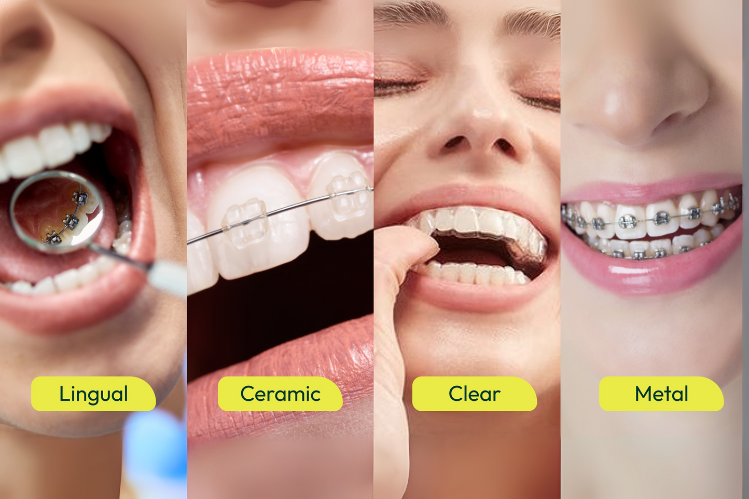
    Understanding the differences between traditional metal braces, ceramic braces, lingual braces and clear aligners makes it easier to identify a suitable option. This guide compares the main treatment choices and explains how age, dental development and individual requirements influence the decision.

    What Makes One Type of Braces Better Than Another?

    There is no single orthodontic appliance that works equally well for everyone. The right choice depends on the complexity of the alignment problem, bite correction requirements, personal preferences and willingness to follow treatment instructions.

    Before comparing options, consider these important factors:

    • Appearance: Some braces are more noticeable than others, which can influence an adult’s preference.
    • Treatment requirements: Severe crowding, significant bite problems and complicated tooth movements may require fixed appliances.
    • Maintenance: Removable aligners need regular cleaning and consistent wear, while fixed braces require careful brushing around brackets and wires.
    • Comfort: Every orthodontic appliance can cause temporary pressure or irritation, although the experience varies between individuals.
    • Cost: Treatment prices depend on the orthodontist, location, treatment duration and appliance selected.

    The American Association of Orthodontists (AAO) emphasises that treatment should be planned around the patient’s individual orthodontic needs rather than appearance alone.

    4 Best Types of Braces for Adults

    1. Traditional Metal Braces

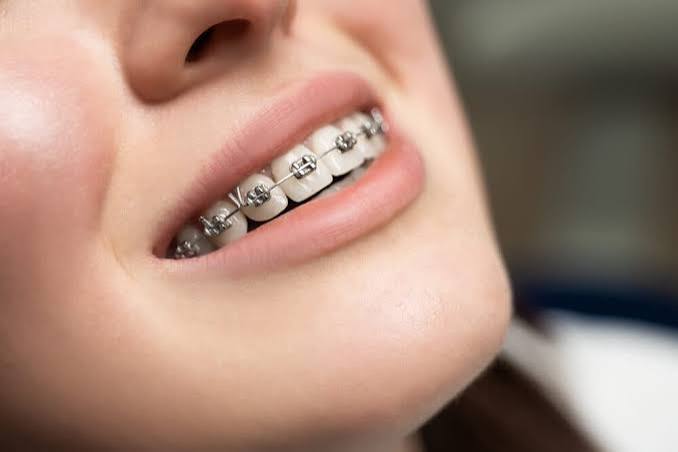
    Traditional metal braces remain a widely used option for correcting different types of orthodontic problems. They consist of stainless-steel brackets attached to individual teeth and connected by wires that apply controlled pressure to gradually reposition them.

    Why consider them: Metal braces can address complex alignment issues, including substantial crowding, spacing and bite problems. They also allow orthodontists to make adjustments throughout treatment.

    Advantages:

    • Suitable for many complicated orthodontic cases.
    • Fixed in position, so patients do not need to remember to wear them.
    • Generally more affordable than some discreet alternatives.

    Limitations: Their metallic appearance is noticeable, and food particles can collect around brackets. Patients must also avoid certain hard and sticky foods.

    Best suited for: Adults who prioritise treatment flexibility, reliability and affordability over appearance.

    2. Ceramic Braces

    Ceramic braces work similarly to traditional metal braces but use tooth-coloured or translucent brackets. This makes them less noticeable, particularly when viewed from a normal conversational distance.

    For adults who want the effectiveness of fixed orthodontic treatment without prominent metal brackets, ceramic braces deserve consideration.

    Why consider them: They combine the fixed-brace approach with a more discreet appearance. Depending on the case and appliance design, they can address many of the same alignment concerns as metal braces.

    Advantages:

    • Less visually prominent than conventional metal braces.
    • Fixed throughout treatment.
    • Suitable for several types of alignment corrections.

    Limitations: Ceramic brackets can be more fragile than metal alternatives. They may also cost more, and certain elastic components can become discoloured.

    Best suited for: Professionals and adults who want less noticeable fixed braces without switching to a removable system.

    3. Lingual Braces

    Lingual braces use brackets and wires fitted to the back surfaces of the teeth rather than the front. This positioning makes them difficult to see during ordinary conversations.

    They can be attractive to adults who want fixed orthodontic treatment but prefer not to display visible brackets.

    Why consider them: Their position provides a discreet treatment approach while allowing orthodontists to perform controlled tooth movements.

    Advantages:

    • Hidden behind the teeth.
    • Fixed appliance with continuous treatment action.
    • Can address a range of orthodontic problems.

    Limitations: They can be more expensive, require specialised expertise and initially affect tongue comfort or speech. Cleaning around the brackets can also be challenging.

    Best suited for: Adults who place a high priority on appearance and are comfortable with the additional cost and adjustment period.

    4. Clear Aligners

    Clear aligners are removable, transparent trays designed to move teeth gradually. Invisalign is one of the recognised commercial systems in this category.

    Patients receive a series of custom-made trays, with each set applying controlled pressure to specific teeth. The aligners are removed when eating, drinking anything other than water and cleaning the teeth.

    Why consider them: Their transparent appearance and removable design make them convenient for many adults who want a less noticeable treatment option.

    Advantages:

    • Less noticeable than conventional fixed braces.
    • Removable during meals and oral hygiene.
    • No fixed brackets or wires to clean around.

    Limitations: Patients generally need to wear aligners for approximately 20 to 22 hours daily, depending on their prescribed treatment plan. They can also be misplaced, and not every complicated orthodontic case is suitable for aligner treatment.

    Best suited for: Adults with suitable alignment problems who can consistently follow their orthodontist’s instructions.

    Comparison of Adult Braces

    The following comparison highlights the practical differences between the four main options.

    TypeAppearanceRemovable Main advantage
    Metal bracesHighly visibleNoVersatile treatment
    Ceramic bracesLess noticeableNoDiscreet fixed option
    Lingual bracesHidden behind teethNoMinimal visible hardware
    Clear alignersNearly transparentYesFlexible daily routine

    There is an important distinction between the best clear braces and clear aligners. Ceramic braces use brackets attached to the teeth, whereas clear aligners use removable plastic trays. Both offer a less noticeable appearance, but their treatment methods and suitability differ.

    For adults with more complicated bite problems, fixed braces may offer greater treatment control. For selected mild to moderate alignment concerns, clear aligners may be appropriate. An orthodontic examination is necessary before making that decision.

    What Is the Best Type of Braces for Adults?

    The answer depends on what matters most to the individual.

    • For affordability: Traditional metal braces are often a practical starting point.
    • For a discreet fixed appliance: Ceramic braces provide a less noticeable alternative.
    • For minimal visibility: Lingual braces are worth discussing with a specialist.
    • For flexibility: Clear aligners can suit adults who prefer removable treatment.

    If someone asks what is the best type of braces for adults, the most useful answer is the appliance that can safely achieve the required tooth movements while fitting the patient’s lifestyle and budget.

    It is also worth remembering that an attractive appearance does not automatically make an appliance more effective. Treatment planning, orthodontist experience and patient cooperation are equally important.

    What Is the Best Age to Get Braces?

    There is no universal age at which everyone should receive orthodontic treatment. The timing depends on dental development, jaw growth and the type of problem being corrected.

    For adults, there is generally no upper age limit. The British Orthodontic Society explains that teeth can be moved at different stages of life, provided the teeth and gums are healthy.

    However, treatment planning can differ between adults and children. Younger patients may benefit from certain interventions while their jaws are still developing, whereas adult treatment focuses more on moving established permanent teeth.

    What Is the Best Age for Children to Have Their First Orthodontic Check-Up?

    The American Association of Orthodontists recommends that children have their first orthodontic check-up no later than age seven.

    This recommendation is not an instruction to fit braces at seven. It gives an orthodontist an opportunity to examine developing teeth, jaw relationships and potential bite problems while the child is still growing.

    Some children may benefit from early treatment, while others simply need occasional monitoring until more permanent teeth appear.

    When Do Most Children Actually Get Braces?

    Many children begin comprehensive orthodontic treatment between approximately 9 and 16 years of age, depending on their development and dental requirements.

    The NHS identifies around 12 or 13 as a common age for braces because most permanent teeth have usually erupted by then. However, this is a general guideline rather than a strict requirement.

    The best age for kids to get braces depends on whether early intervention is necessary or whether waiting for further dental development would produce a more suitable treatment outcome.

    Adult vs Child Orthodontic Treatment

    ConsiderationChildren and teenagersAdults
    Jaw developmentStill developingGenerally complete
    Treatment timingOften during permanent tooth eruptionWhenever clinically suitable
    Early interventionMay help address developing problemsFocuses on existing dental conditions
    Appliance choicesFixed braces and selected removable appliancesMetal, ceramic, lingual and clear aligners
    Main considerationDental and jaw developmentDental health and treatment goals

    Important Things to Check Before Choosing Braces

    Regardless of age or appliance preference, a few considerations deserve attention before starting treatment.

    1. Check gum and tooth health

    Active gum disease, untreated cavities and poor oral hygiene should be addressed before orthodontic treatment. Braces can make cleaning more difficult, so a healthy starting point is important.

    2. Understand the complete treatment plan

    Ask how long treatment is expected to take, how frequently appointments are required and whether additional appliances or procedures might be necessary.

    3. Compare the total cost

    Do not compare treatment options using the initial fitting price alone. Ask whether adjustments, replacement aligners, emergency appointments and retainers are included.

    4. Discuss retention after treatment

    Teeth can gradually move after braces are removed. Retainers help maintain the corrected position, and wearing them according to professional instructions is an important part of long-term treatment.

    5. Choose a qualified orthodontic professional Ask about the clinician’s orthodontic qualifications, experience with the proposed appliance and approach to managing complications.

    Final Buying Advice: Which Braces Should You Choose?

    Selecting orthodontic treatment becomes easier when you separate appearance preferences from actual dental requirements.

    For an adult with relatively straightforward alignment concerns, clear aligners may offer a convenient and discreet approach. Ceramic braces are worth considering when fixed treatment is preferred but conventional metal brackets are undesirable. Metal braces remain a versatile choice for a wide range of orthodontic problems, while lingual braces offer an alternative for people who strongly prefer hidden appliances.

    For parents, the priority should be arranging an orthodontic assessment by age seven rather than rushing into treatment. The orthodontist can determine whether early intervention is necessary or whether monitoring dental development is sufficient.

    Ultimately, the best age to have braces and the most appropriate appliance depend on individual circumstances. A professional assessment, a clear understanding of treatment costs and realistic expectations will help patients make a more informed decision.

  • Best Foods to Eat When You Have Braces

    Best Foods to Eat When You Have Braces

    Getting braces can make everyday eating more challenging, particularly during the first few days after treatment begins or following an adjustment appointment. Teeth may feel tender, biting can become uncomfortable, and familiar foods such as apples, nuts and crunchy snacks may suddenly become difficult to manage. Choosing suitable foods is important not only for comfort but also for protecting brackets and wires throughout orthodontic treatment.

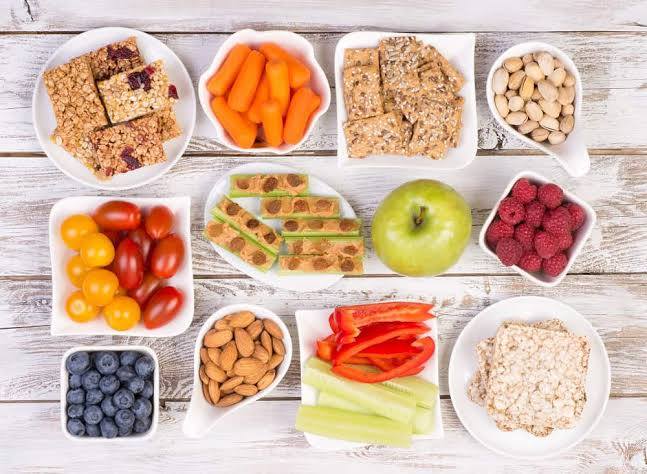
    The good news is that wearing braces does not mean giving up a varied diet. Many nutritious foods remain suitable with a few preparation changes. Soft fruits, cooked vegetables, eggs, dairy products, pasta and tender proteins can provide essential nutrients without placing unnecessary pressure on orthodontic appliances.

    Understanding which foods are easier to eat, which require preparation and which should be avoided can make the adjustment considerably easier.

    What Makes Certain Foods Better for Braces?

    Traditional braces use brackets attached to teeth and connected by wires that gradually guide teeth into their intended positions. Although these components are designed for everyday use, they can be damaged by excessive biting pressure or sticky foods.

    Hard foods can loosen brackets or bend wires, while chewy sweets may become trapped around orthodontic components. Food particles also collect more easily around braces, making proper cleaning particularly important.

    According to the American Association of Orthodontists (AAO), people wearing braces should choose nutritious, easy-to-chew foods and avoid items that are particularly hard, sticky, crunchy or chewy.

    When identifying the best food for braces, three considerations deserve attention:

    • Texture: Soft foods generally require less chewing and place less pressure on brackets.
    • Nutritional value: Foods containing protein, calcium, vitamins and minerals support general health and normal tooth maintenance.
    • Ease of cleaning: Foods that leave fewer sticky or difficult-to-remove particles can make daily oral hygiene easier.

    These considerations are especially relevant immediately after getting braces fitted or adjusted.

    7 Best Foods to Eat When You Have Braces

    The following options offer a practical combination of comfortable textures, nutritional variety and everyday availability.

    1. Scrambled Eggs

    Scrambled eggs are among the most convenient choices for people experiencing orthodontic discomfort. Their soft texture makes them easy to chew, while their protein content contributes to normal tissue maintenance.

    Eggs also provide vitamin B12, vitamin D and other important nutrients. They can be prepared without hard or crispy edges, making them suitable for breakfast or a light evening meal.

    For additional variety, scrambled eggs can be combined with soft cheese or well-cooked vegetables.

    2. Yogurt and Soft Cheese

    Yogurt is a useful option because it requires almost no chewing. It also provides protein and calcium, depending on the variety.

    Plain yogurt is generally preferable to heavily sweetened alternatives because frequent sugar exposure can increase the risk of tooth decay. Soft cheeses, cottage cheese and paneer offer additional ways to include dairy in everyday meals.

    These options are particularly helpful when teeth feel sensitive after an adjustment.

    3. Mashed Potatoes

    Mashed potatoes are filling, inexpensive and easy to prepare. Their smooth consistency makes them suitable when biting pressure is uncomfortable.

    Potatoes provide carbohydrates and potassium, while their texture can be adjusted with milk or a little butter. Avoid adding crunchy toppings, fried onions or hard pieces of vegetables.

    For a more balanced meal, serve mashed potatoes alongside soft-cooked vegetables and tender fish.

    4. Oatmeal and Porridge

    Oatmeal is another practical breakfast option. Cooking oats thoroughly produces a soft consistency that is easier to manage than crunchy breakfast cereals.

    Oats provide dietary fibre and carbohydrates, helping make breakfast more filling. Bananas or soft berries can be added for flavour without introducing hard textures.

    Avoid adding whole nuts, hard granola or sticky dried fruits that may become trapped around brackets.

    5. Soft-Cooked Vegetables

    Vegetables remain an important part of a balanced diet during orthodontic treatment. However, preparation makes a significant difference.

    Steamed carrots, cooked spinach, pumpkin, zucchini and well-cooked cauliflower are easier to chew than their raw counterparts.

    Boiling, steaming or mashing vegetables helps reduce their firmness while preserving many of their nutrients. They can also be incorporated into soups, rice dishes and pasta meals.

    6. Bananas and Other Soft Fruits

    Bananas, ripe papaya, melon and soft berries are useful fruit choices because they generally require less biting force.

    These fruits provide vitamins, minerals and dietary fibre. Apples and pears can also remain part of the diet when sliced into small pieces rather than bitten directly.

    Fruit should be rinsed properly, and teeth should be cleaned after eating to remove remaining food particles.

    7. Pasta, Rice and Soft Fish

    Pasta and rice provide flexible meal options for people wearing braces. Softly cooked pasta with a mild sauce is generally easier to manage than hard, crispy or heavily baked dishes.

    Flaky fish, tender chicken and well-cooked lentils provide protein without requiring the same chewing effort as tougher cuts of meat.

    For Indian households, soft khichdi, dal, idli and well-cooked vegetable pulao can also be practical alternatives.

    Best Foods for New Braces and the First Few Days

    The first few days after braces are fitted can be uncomfortable because teeth need time to adjust to the pressure applied by orthodontic appliances.

    The best foods for new braces are generally those that require very little chewing. Soups, yogurt, smoothies, mashed potatoes, oatmeal and scrambled eggs are sensible starting points.

    Similarly, the best foods to eat after getting braces should be selected according to individual comfort rather than following a strict meal schedule.

    A simple first-day meal plan might look like this:

    MealSuggested food
    BreakfastSoft oatmeal with banana
    LunchVegetable khichdi or mashed potatoes
    Afternoon snackPlain yogurt
    DinnerSoft vegetable soup with well-cooked pasta

    As tenderness improves, gradually introduce more food varieties. If discomfort remains severe or continues beyond a few days, contact your orthodontist.

    What About Candy and Chewing Gum With Braces?

    Sweet treats are one of the most confusing parts of planning a braces-friendly diet. Not every sweet has the same texture, but some options are considerably riskier than others.

    Best candy for braces: There is no candy that is completely risk-free for fixed braces. However, the AAO identifies some soft chocolates as more suitable alternatives to hard or sticky sweets. Plain chocolate that melts easily is generally a better choice than caramel, gummies, toffee, lollipops or hard candies. Keep sugary treats occasional and clean your teeth afterward.

    Best chewing gum for braces: Conventional chewing gum is generally discouraged for people wearing fixed braces because it can become trapped around brackets and wires. Sugar-free gum does not automatically make chewing gum suitable for orthodontic appliances. The NHS specifically advises against chewing gum during fixed-brace treatment. Ask your orthodontist before considering any alternative.

    Foods to Avoid During Orthodontic Treatment

    Some foods should be avoided throughout treatment because they can damage brackets, wires or other orthodontic components.

    Food categoryExamplesMain concern
    Hard foodsNuts, ice, hard pretzelsCan loosen brackets
    Sticky sweetsCaramel, toffee, gummiesCan attach to braces
    Crunchy snacksPopcorn, chips, hard crackersCan damage wires or trap particles
    Hard fruitsWhole apples, raw carrotsExcessive biting pressure
    Chewy foodsLicorice, tough meatCan pull against brackets

    Some foods can become suitable with preparation. For example, apples can be sliced, carrots can be steamed and meat can be cut into smaller pieces.

    How to Make Eating Easier With Braces

    A few simple habits can make everyday meals more comfortable.

    • Cut food into small pieces instead of biting directly with front teeth.
    • Chew slowly and avoid putting excessive pressure on sensitive areas.
    • Choose softer meals after orthodontic adjustments.
    • Drink water regularly throughout the day.
    • Brush with fluoride toothpaste and clean around brackets carefully.
    • Avoid frequent sugary snacks and acidic drinks.

    The American Association of Orthodontists also recommends using interdental brushes to remove food particles from areas that ordinary toothbrushes may not reach easily.

    Final Thoughts

    Choosing suitable meals while wearing braces is mainly about balancing comfort, nutrition and appliance protection. Scrambled eggs, yogurt, oatmeal, mashed potatoes, soft fruits, cooked vegetables and tender proteins are practical options for everyday eating.

    The best food to eat with braces will depend on how sensitive your teeth are, your dietary requirements and the type of orthodontic appliance you use. Foods that feel comfortable today may become easier to eat as treatment progresses.

    Rather than relying entirely on restrictive meal plans, focus on preparing familiar foods in softer, manageable forms. Most importantly, follow your orthodontist’s instructions, maintain consistent oral hygiene and avoid foods that could interfere with treatment.

    A little preparation can make the entire orthodontic experience more comfortable while helping protect the investment you are making in your smile.

  • Hello world!

    Welcome to WordPress. This is your first post. Edit or delete it, then start writing!