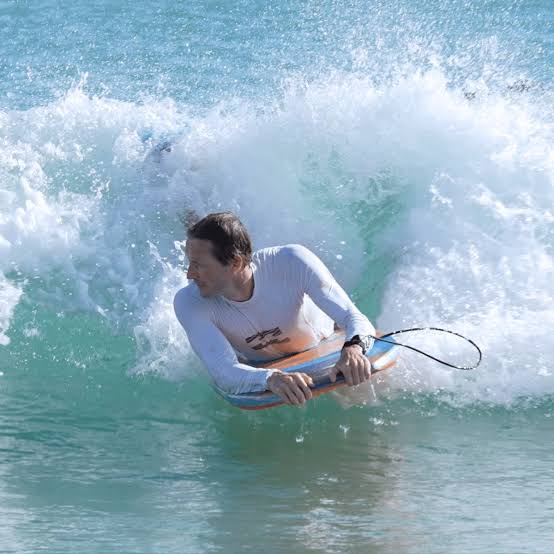
Maui offers plenty of ways to enjoy the Pacific Ocean, from exploring coral reefs to learning how to catch a first wave. However, not every beach is suitable for every activity. Some locations have relatively sheltered water for beginner snorkeling, while others are known for gentle surf breaks or waves that are better suited to boogie boarding.
For first-time visitors, South Maui is a particularly useful area to explore. Ulua and Mōkapu beaches are popular starting points for snorkeling when the water is calm, Cove Beach Park in Kīhei is a recognized beginner surfing location, and the Kamaʻole Beach Parks offer opportunities for bodyboarding when the shorebreak is appropriate.
The key is to match the beach to your experience level and check the ocean conditions before getting into the water. Maui’s waves, currents and visibility can change quickly, even at beaches that are usually considered beginner-friendly.
Best Places for Snorkeling in Maui
Snorkeling is one of Maui’s most popular ocean activities. Coral reefs around the island support tropical fish, sea turtles and other marine life. Beginners should look for beaches with sandy entries, manageable swimming distances and relatively protected water.
1. Ulua Beach and Mōkapu Beach, Wailea
Ulua Beach and neighboring Mōkapu Beach are among the most practical places to consider for a first snorkeling experience in South Maui. Both have sandy shorelines, and reef areas between and around the beaches provide opportunities to see colorful fish.
The sandy entry makes it easier to prepare snorkeling equipment before moving toward the reef. Beginners should remain close to shore, avoid swimming farther than they are comfortable with and return to the beach if the wind or water conditions deteriorate.
These beaches are especially convenient for visitors staying in Wailea. However, they do not have the same lifeguard coverage as the Kamaʻole Beach Parks, so checking conditions and swimming ability is important.
Best for: First-time snorkelers who are confident swimmers and want a convenient South Maui location.
2. Kapalua Bay, West Maui
Kapalua Bay is a scenic, curved beach in West Maui that can provide a comfortable snorkeling experience when the ocean is calm. Its sheltered shape and sandy shoreline make it a popular choice for visitors who prefer to enter the water from a beach rather than a rocky coastline.
Snorkelers can explore the reef areas near the sides of the bay, where marine life may be visible. The center of the beach is useful for entering and getting comfortable in the water.
Although Kapalua Bay is often recommended for beginners, conditions are not always calm. Strong surf, poor visibility or currents can make snorkeling unsuitable. Check the local ocean report before entering.
Best for: Visitors staying in West Maui and confident beginners looking for a sheltered bay.
3. Kahekili Beach Park, West Maui
Also known as Airport Beach, Kahekili Beach Park is a popular shore-snorkeling location near Kāʻanapali. Its offshore reef provides habitat for fish and other marine life, making it appealing to visitors who want to explore underwater without booking a boat excursion.
The beach has useful facilities, and the shoreline provides access to the water. However, snorkelers should be aware that reef areas can be farther from shore than they initially appear. Beginners should stay within their ability and avoid attempting long swims.
Go early when conditions are often more favorable, and do not enter if the water is choppy or visibility is poor.
Best for: Confident beginners and intermediate snorkelers interested in reef exploration.
4. Maluaka Beach, South Maui
Maluaka Beach is well known for opportunities to see Hawaiian green sea turtles, locally called honu. Its coastal reef environment attracts marine life, and turtles are sometimes spotted feeding or swimming around the rocky areas.
The beach has a sandy shoreline, but snorkelers should be comfortable swimming before exploring farther from the entry area. A turtle sighting is never guaranteed, and visitors must not chase, touch or approach the animals.
Maluaka is a good option for people who want to combine a beach visit with a chance to observe marine wildlife.
Best for: Wildlife enthusiasts and snorkelers with some ocean experience.
Best Surfing in Maui for Beginners
Maui is internationally known for surfing, but many famous breaks are designed for experienced surfers. Beginners should not choose a beach simply because it appears in professional surfing photographs. A suitable lesson location, manageable waves and a qualified instructor are much more important.
5. Cove Beach Park, Kīhei
Cove Beach Park is one of the best-known places for learning to surf in Maui. Located near Kalama Park in Kīhei, it is popular with surf schools because the area can offer smaller, more manageable waves for lessons.
The beach is convenient for beginners who want to learn basic techniques such as paddling, positioning and standing on a surfboard. Its location near shops and other visitor facilities also makes it easy to include in a South Maui itinerary.
Wave conditions still vary, and the beach is not automatically safe every day. First-time surfers should book an instructor-led lesson rather than attempting to learn independently.
Best for: First-time surfers, surf lessons and visitors staying in Kīhei.
6. Kalama Park, Kīhei
Kalama Park is another location associated with beginner surfing in South Maui. It offers access to the ocean and is close to the Cove area, making it a practical alternative when lesson providers select a suitable nearby break.
The reef and underwater conditions vary across the area, so beginners should follow their instructor’s guidance about where to enter and which waves to use. It is not advisable to assume that every section of the shoreline has the same conditions.
Kalama Park is also a convenient place to watch local surfers and enjoy the coastal setting.
Best for: Beginner lessons and visitors exploring the Kīhei coastline.
7. Launiupoko Beach Park, West Maui
Launiupoko Beach Park, south of Lahaina, is another location used for beginner surf lessons when conditions are suitable. Its gentle waves on smaller days can provide opportunities to practise basic surfing skills.
The park also has a protected pond area that is separate from the surf zone, making it useful for families with children who are not participating in surfing.
As with all Maui surf spots, conditions can change with swell direction and size. Beginners should use a local surf school to determine whether the break is appropriate on the day.
Best for: Beginner surf lessons and families visiting West Maui.
Best Places for Boogie Boarding in Maui
Boogie boarding, also called body boarding, allows riders to catch waves while lying on a small board. It can be easier to learn than standing surfing, but shore break waves can still be powerful and dangerous.
The Kamaʻole Beach Parks in Kīhei are popular choices for body boarding when conditions are appropriate.
8. Kamaʻole Beach Park III, South Maui
Kamaʻole III is one of the most recognized locations for boogie boarding in Maui. The beach is known for regular shore breaks and has a large grassy park area, making it convenient for families who want to spend several hours by the water.
When the waves are small and manageable, the shorebreak can provide opportunities for body boarding. However, waves that break directly onto shallow sand can create a risk of impact injuries. Beginners should ask a lifeguard about conditions before entering.
The park also offers facilities that make a beach visit more convenient.
Best for: Boogie boarding on suitable small-wave days and family beach outings.
9. Kamaʻole Beach Park I, South Maui
Kamaʻole I is another option for body boarding, particularly when a suitable south swell produces manageable waves. Its sandy beach and convenient access make it popular with beachgoers.
The size and strength of the shore break can change significantly. A beach that feels comfortable for swimming may still have waves that are too powerful for an inexperienced body boarder.
Choose a small-wave day, use an appropriate body board and check with the lifeguard before entering.
Best for: Recreational body boarding when waves are manageable.
10. Kamaʻole Beach Park II, South Maui
Kamaʻole II provides another option along the same stretch of South Maui coastline. It is worth considering when visitors want an alternative to the other Kamaʻole beaches.
The beach can offer opportunities for swimming and body boarding, depending on the day’s surf. Facilities and access make it convenient for a relaxed beach outing.
Do not assume that conditions at Kamaʻole I, II and III will be identical. Check the beach individually and follow any posted warnings.
Best for: Beach days and occasional body boarding in suitable conditions.
Quick Comparison of Maui’s Best Ocean Activity Locations
| Location | Main activity | Experience level |
| Ulua and Mōkapu beaches | Snorkeling | Confident beginners |
| Kapalua Bay | Snorkeling | Beginners when calm |
| Kahekili Beach Park | Snorkeling | Confident beginners to intermediate |
| Maluaka Beach | Snorkeling and wildlife viewing | Intermediate or confident swimmers |
| Cove Beach Park | Surfing lessons | Beginners |
| Kalama Park | Surfing | Beginners with instruction |
| Launiupoko Beach Park | Surfing lessons | Beginners with instruction |
| Kamaʻole Beach Park III | Boogie boarding | Beginners on small-wave days |
| Kamaʻole Beach Park I | Boogie boarding | Beginners on suitable days |
| Kamaʻole Beach Park II | Boogie boarding | Beginners on suitable days |
When Is the Best Time for These Activities in Maui?
Maui’s ocean conditions change throughout the year. Summer often brings more favorable conditions to some north-facing snorkeling locations, while winter can produce larger north and northwest swells. South-facing beaches may experience stronger surf during south swell events in the warmer months.
For many visitors, mornings are a practical time to plan ocean activities. Winds often increase later in the day, which can affect snorkeling visibility and make the water choppier.
A few general planning points can help:
- Snorkeling: Choose a calm morning with good visibility and minimal current.
- Beginner surfing: Book a lesson when the instructor confirms the waves are suitable.
- Boogie boarding: Look for small, manageable shorebreak rather than large breaking waves.
- Winter visits: Be particularly cautious around exposed north-facing beaches.
- Summer visits: Check for south swell before choosing a beach on the south coast.
No season guarantees safe conditions. Always check the current forecast before planning an ocean activity.
Important Ocean Safety Tips for Visitors
Even beaches popular with beginners can become dangerous when surf and currents increase. Maui County recommends swimming at lifeguarded beaches, paying attention to warning signs and asking lifeguards about local conditions.
Keep these precautions in mind:
- Check conditions before entering: Look for strong currents, large waves, poor visibility and warning signs.
- Use lifeguarded beaches when possible: Kamaʻole I, II and III have lifeguard coverage.
- Never snorkel alone: Stay with a buddy and remain within your swimming ability.
- Avoid unfamiliar reef areas: Coral, rocks and changing water depth can create hazards.
- Take lessons for surfing: A qualified instructor can help beginners choose an appropriate break and understand surf etiquette.
- Respect shorebreak: Waves breaking in shallow water can cause serious injuries, even for strong swimmers.
- Leave the water when conditions change: Do not wait for waves to become visibly dangerous.
Maui County’s ocean-safety guidance emphasizes a simple rule: if in doubt, do not go out.
Final Thoughts
Maui has excellent locations for snorkeling, surfing and boogie boarding, but choosing the right beach makes a major difference to the experience. Ulua and Mōkapu are useful starting points for confident beginner snorkelers, while Kapalua Bay offers another option in West Maui when conditions are calm. Cove Beach Park and Kalama Park are popular places to arrange beginner surf lessons, and the Kamaʻole Beach Parks provide bodyboarding opportunities when the shorebreak is manageable.
The most important part of planning is not finding the biggest wave or the most famous reef. It is selecting a location that matches your ability, checking the ocean conditions and following local safety advice. With the right preparation, visitors can enjoy Maui’s coastline while making safer choices in the water.
Leave a Reply