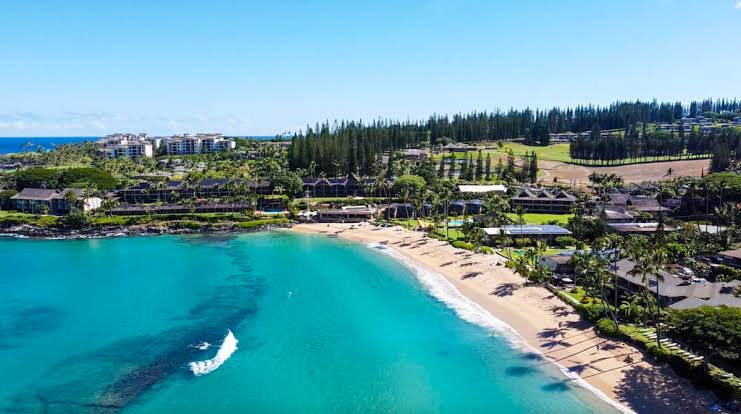
Maui is a year-round destination, but the experience can change considerably depending on when you visit. Weather, ocean conditions, accommodation prices, whale-watching season and crowds all influence the kind of holiday you can expect. Some months are better for swimming and snorkeling, while others offer excellent opportunities to see humpback whales or enjoy quieter beaches.
For most travelers, the best time to visit Maui is during the shoulder seasons of April to May and September to October. These periods often bring a useful balance of pleasant weather, fewer visitors and potentially better accommodation rates. However, the ideal dates depend on whether your priority is snorkeling, whale watching, hiking or simply relaxing by the ocean.
Understanding Maui’s Seasons
Maui has two broad seasons. Summer generally runs from May through October, while winter lasts from November through April. Temperatures remain relatively mild throughout the year, so seasonal differences are often more noticeable in rainfall, wind and ocean conditions than in extreme changes in temperature.
The island also has different local climates. South and West Maui are generally sunnier and drier, while the eastern side, including Hāna, receives more rainfall. This variation means a rainy morning in one area does not necessarily mean the entire island will have poor weather.
Spring, March to May
Spring is a good time for visitors who want comfortable temperatures and a mix of outdoor activities. March can still bring winter rain and larger ocean swells, but conditions generally become more settled as April and May approach.
April and May are particularly attractive for travelers looking to avoid the busiest holiday periods. Beaches and popular attractions can feel less crowded than during major school vacation periods, and visitors can enjoy hiking, scenic drives and beach activities.
May also marks the beginning of the drier summer season. It is a strong choice for travelers who want warm weather without the height of summer demand.
Summer, June to August
Summer brings warmer, sunnier conditions and generally lower rainfall in many coastal areas. It is an excellent season for beach days, swimming and exploring Maui’s outdoor attractions.
Families often choose July and August because of school holidays, which can make popular resorts, rental cars and activities busier. Accommodation prices may also rise during these periods.
Ocean conditions vary by coastline. South-facing beaches can experience summer swells, while some north-facing snorkeling locations become more suitable than they are during winter. Visitors should still check local surf and beach conditions before entering the water.
Fall, September to November
Fall is one of the most appealing periods for travelers seeking a quieter Maui holiday. September and October often bring warm ocean temperatures, fewer visitors than peak summer and good opportunities for outdoor activities.
September can be particularly attractive for beach-focused trips. October is another useful month for travelers who want warm weather and potentially better accommodation value.
November is a transition month. Rainfall and changing ocean conditions become more noticeable as winter approaches, but many days remain suitable for sightseeing and outdoor activities. Visitors may also begin to see the first humpback whales arriving in Hawaiian waters.
Winter, December to February
Winter is popular with visitors escaping colder climates. Daytime temperatures remain comfortable, but rainfall and changing ocean conditions are more common than during summer.
One of the biggest attractions is humpback whale watching. Thousands of whales visit Hawaiian waters during the winter and spring months. January and February are particularly rewarding periods for whale-watching tours around Maui.
Winter also brings larger surf to exposed north-facing shores. This creates excellent viewing opportunities for experienced surfers and spectators, but it can make some beaches unsuitable for swimming or snorkeling.
Best Time to Snorkel Maui
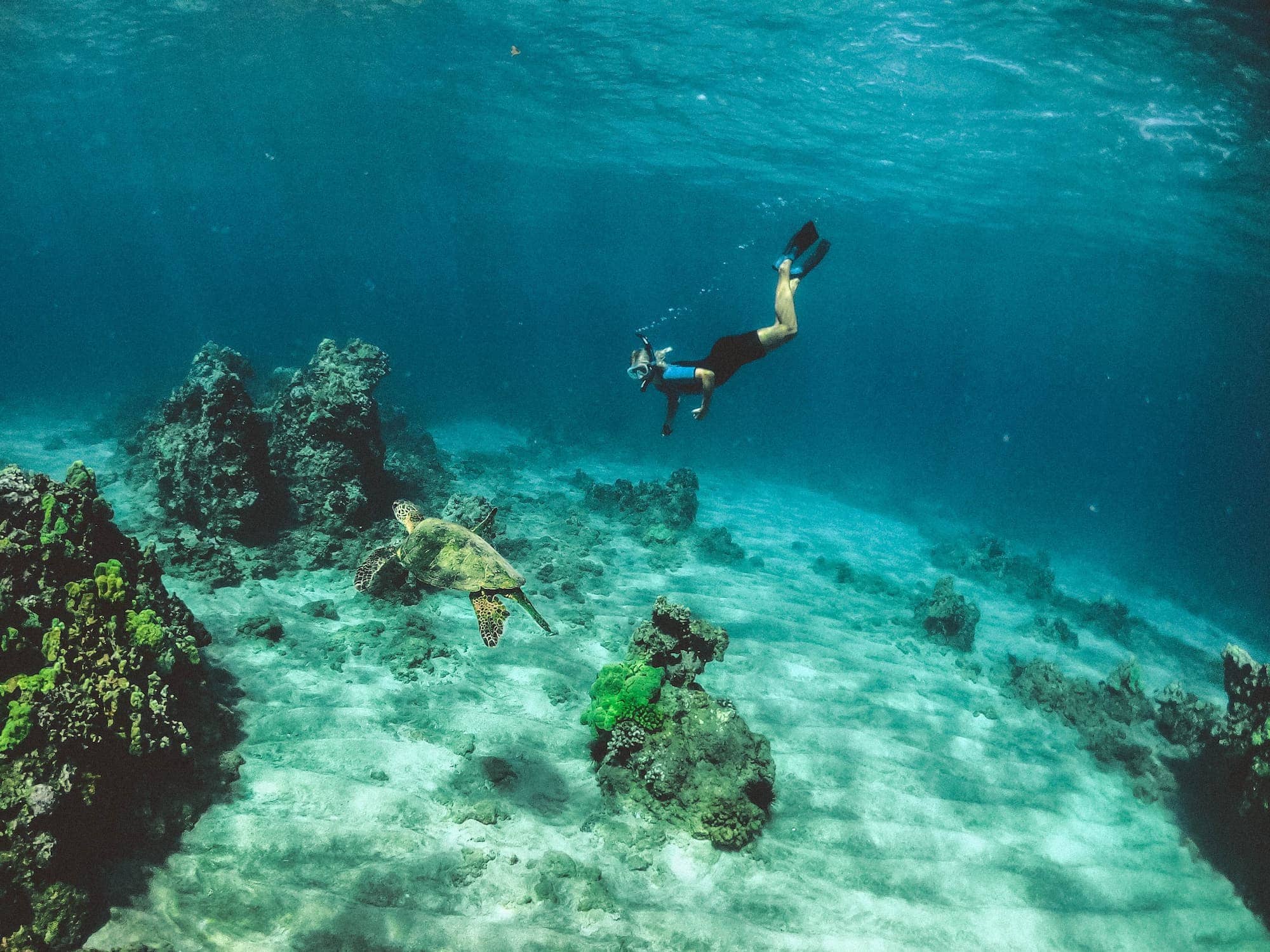
For many visitors, snorkeling is one of the main reasons to visit the island. The best time to snorkel Maui depends on both the season and the time of day.
In general, morning is the best time for snorkeling. Hawaii’s ocean-safety guidance notes that mornings often provide better visibility and calmer conditions, while winds can increase later in the day. Starting early also gives visitors more time to enjoy the water before conditions change.
Seasonal differences matter too.
Summer snorkeling: May through September can offer good opportunities at some north-facing locations, including areas around Kapalua and Honolua Bay, when conditions are suitable. Summer is also a popular time for exploring protected coastal areas and taking guided boat trips.
Winter snorkeling: From December through March, larger north and northwest swells can affect exposed beaches. South-facing locations may offer more sheltered alternatives on suitable days. However, no location is guaranteed to be safe or calm throughout the season.
Molokini Crater is another well-known snorkeling destination. Boat excursions operate during different parts of the year, but conditions on the crossing and at the site can change. A guided trip should be selected according to the day’s ocean forecast rather than the calendar alone.
Visitors should check local surf reports and ocean-safety advisories on the morning of their activity. Snorkel with a buddy, use appropriate equipment and avoid entering the water when waves, currents or visibility are unsafe.
Best Time to Visit Maui for Whale Watching
Travelers interested in marine wildlife should consider visiting between December and April. Humpback whales migrate to Hawaiian waters to breed, give birth and care for their calves.
According to NOAA’s Hawaiian Islands Humpback Whale National Marine Sanctuary, the main season generally runs from November through May, with peak abundance typically occurring between January and March. Maui is especially well known for whale sightings because whales gather in the waters around Maui, Lānaʻi and Molokaʻi.
January and February are excellent months to consider if whale watching is a major priority. Visitors can choose a guided boat excursion or look for whales from suitable coastal viewing areas.
Wildlife should always be observed responsibly. Federal rules prohibit approaching humpback whales within 100 yards, and visitors should never attempt to touch, follow or swim with them.
Best Time to Visit Maui for Fewer Crowds and Better Value
Travel costs can vary depending on holidays, school breaks, flight demand and accommodation availability. Summer and the winter holiday period can attract large numbers of visitors, especially around Christmas and New Year.
April, May, September and October are useful months to compare when looking for a balance between weather and value. These shoulder-season periods may offer better accommodation availability and a more relaxed experience at popular attractions.
However, lower demand does not guarantee a cheap trip. Airfare, hotel rates and rental-car prices can change quickly, so booking early and comparing several dates is worthwhile.
Month-by-Month Guide to Visiting Maui
| Month | What to expect | Best suited for |
| January | Winter weather and strong whale activity | Whale watching |
| February | Peak whale season and possible large surf | Wildlife experiences |
| March | Transition toward spring, with some unsettled weather | Whale watching and sightseeing |
| April | Improving weather and fewer peak-season crowds | General sightseeing |
| May | Warmer, drier conditions | Beach holidays and snorkeling |
| June | Sunny summer weather | Swimming and outdoor activities |
| July | Warm weather and busy holiday periods | Family vacations |
| August | Hot, sunny conditions and warm ocean water | Beach activities |
| September | Warm water and generally quieter travel periods | Snorkeling and relaxation |
| October | Pleasant weather and shoulder-season value | Scenic drives and beach trips |
| November | Changing weather and early whale arrivals | Flexible sightseeing |
| December | Holiday crowds and whale season beginning | Whale watching and winter escapes |
This is a general planning guide, not a guarantee of daily weather or ocean conditions. Local forecasts should always guide outdoor plans.
How to Choose the Right Month for Your Maui Holiday
The best month depends on what you want from the trip.
- For snorkeling: Consider May through September, while choosing locations according to current surf and wind conditions. September is particularly attractive for warm water.
- For whale watching: January through March generally offers the strongest opportunities.
- For fewer crowds: Compare April, May, September and October.
- For family beach holidays: June through August can offer plenty of sunshine, although school vacation periods may be busier.
- For scenic drives and hiking: Spring and fall can provide a comfortable balance of weather and visitor numbers.
- For winter escapes: December through February offers warm coastal conditions and seasonal whale-watching opportunities, although rain and surf can affect some activities.
It is also worth considering the elevation of your activities. A sunny beach day does not mean the summit of Haleakalā will be warm. Higher elevations can be significantly colder, so bring suitable layers if you plan to visit.
Final Thoughts
The best time to visit Maui for most travelers is April to May or September to October. These shoulder-season months offer a useful combination of warm weather, outdoor opportunities and potentially fewer crowds. Summer is appealing for sunny beach holidays, while winter is especially attractive for visitors hoping to see humpback whales.
For snorkeling, the time of day and local ocean conditions are just as important as the month. Early mornings often provide better visibility and calmer water, but visitors should always check current advisories before entering the ocean.
Ultimately, Maui offers something throughout the year. Choosing travel dates around your main interests, checking local conditions and leaving some flexibility in your itinerary can make the experience more enjoyable.
Leave a Reply