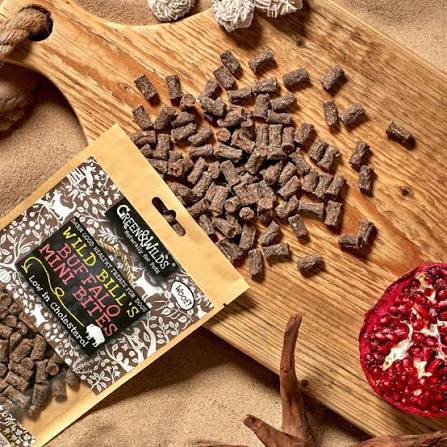
Dog treats are a useful part of training, rewarding good behaviour and strengthening the bond between pets and their owners. However, choosing snacks becomes more complicated when a dog has diabetes, a sensitive stomach, pancreatitis or other dietary restrictions. A treat that is perfectly suitable for one dog may cause problems for another.
The best dog treats are not necessarily the most expensive or those with the longest list of health claims. They should match the dog’s nutritional requirements, contain appropriate ingredients and fit within its daily calorie allowance. Dogs with medical conditions may also need veterinary approval before receiving snacks outside their regular diet.
What to Consider Before Choosing Dog Treats
Before comparing products, check the ingredient list, calorie content and feeding recommendations. A few details can make a significant difference.
- Fat content: Particularly important for dogs with pancreatitis or a history of fat intolerance.
- Sugar and carbohydrate content: Relevant when choosing snacks for dogs with diabetes.
- Protein source: Important for dogs with food allergies or ingredient sensitivities.
- Digestibility: Simple, familiar ingredients may be easier for some dogs to tolerate.
- Texture and size: Treats should be suitable for the dog’s age, chewing ability and body size.
Treats should generally account for no more than 10% of a dog’s daily calorie intake. For dogs on therapeutic diets, even that allowance may need to be adjusted by a veterinarian.
Best Dog Treats for Diabetic Dogs
Dogs with diabetes benefit from consistent feeding routines. Treats containing added sugar, syrups or large amounts of easily digested carbohydrates can make blood glucose management more difficult.
The best dog treats for diabetic dogs are usually small, portion-controlled snacks that fit the dog’s prescribed feeding plan. Plain green beans, cucumber and small pieces of other veterinarian-approved vegetables may work for some dogs. Small portions of plain, lean cooked meat may also be appropriate, depending on the dog’s complete diet and other health conditions.
When buying commercial treats, check the nutritional information instead of relying on claims such as sugar-free or natural. Some products contain ingredients that contribute significant calories even when they have no added sugar.
Consistency matters. Owners should avoid giving unpredictable snacks throughout the day, particularly when a dog receives insulin. Discuss suitable treats and timing with the veterinarian managing the dog’s diabetes.
Best Dog Treats for Sensitive Stomachs
Dogs with sensitive stomachs may experience gas, loose stools or occasional digestive discomfort after eating certain snacks. Rich, greasy treats and products containing several unfamiliar ingredients can make it harder to identify what is causing the problem.
The best dog treats for sensitive stomachs are usually simple, small and made with ingredients the dog already tolerates. Depending on the dog’s regular diet, plain cooked lean protein or a small amount of an approved vegetable may be suitable.
Commercial options include treats designed for digestive support, but a sensitive-stomach label does not guarantee that every dog will tolerate the ingredients. Check for added fats, dairy, flavorings and unfamiliar proteins.
If a dog is following a veterinary elimination diet to investigate food allergies, ordinary treats can interfere with the trial. In that situation, use only rewards approved by the veterinarian. Pieces of the prescribed daily food ration can often be used as training rewards.
Best Vegan Dog Treats
Plant-based treats can be useful for owners who prefer to avoid animal-derived ingredients. They may also offer an alternative for dogs that cannot tolerate certain animal proteins, although plant ingredients can cause sensitivities too.
The best vegan dog treats should have a clearly disclosed ingredient list and an appropriate texture for the dog. Some options include:
- Plain baked vegetable biscuits: Look for recipes with clearly identified ingredients and no harmful seasonings.
- Sweet potato chews: These provide a plant-based option when prepared without added oil, salt or seasoning.
- Carrot-based snacks: Small pieces of plain carrot can be a simple reward for dogs that tolerate them.
- Commercial vegan biscuits: Check that the product is genuinely free from animal-derived ingredients and suitable for the dog’s age.
One commercially available example is Bark Out Loud Veggie Bacon Vegan Spanish Dog Treats. Another option to investigate is HUFT Yummy in My Tummy Banana and Oats Vegetarian Dog Biscuits. However, vegetarian and vegan are not interchangeable labels. Owners who require strictly vegan products should verify the full ingredient list and manufacturing information.
Remember that treats do not replace a complete and balanced main diet. A plant-based snack should remain an occasional reward rather than a major source of daily nutrition.
Best Dog Treats for Golden Retrievers
Golden Retrievers are enthusiastic eaters, and frequent rewards can contribute to unwanted weight gain if portions are not controlled. Their treat selection should account for age, activity level and body condition.
The best dog treats for Golden Retrievers are generally small, easy to portion and appropriate for their chewing habits. Training treats with a manageable calorie count are particularly useful because they allow owners to reward good behaviour without adding too many calories.
Suitable choices may include small commercial training biscuits, plain carrot pieces or measured portions of the dog’s regular kibble. Larger dental chews may also be considered, provided they are appropriately sized and not excessively hard.
Golden Retriever owners should pay attention to daily treat quantities. A large dog can still gain excess weight from frequent snacks, especially when family members reward the same behaviour repeatedly.
Best French Bulldog Treats
French Bulldogs can be prone to digestive discomfort and food-related sensitivities. Some also have difficulty maintaining a healthy weight, making portion size an important consideration.
The best French Bulldog treats are small, easy to chew and made with ingredients the dog already tolerates. Soft training treats may be easier to portion than large biscuits, while simple vegetable snacks can provide variety for dogs that tolerate them.
Avoid giving too many rich treats or introducing several new products at once. If a French Bulldog regularly experiences vomiting, diarrhea, excessive gas or skin irritation, a veterinarian should investigate the cause rather than relying on snack changes alone.
Best Dog Treats for Pancreatitis
Pancreatitis requires particular care with dietary fat. Dogs with a history of this condition may need a veterinarian-directed low-fat diet, and fatty snacks can undermine that plan.
The best dog treats for pancreatitis are those that meet the individual dog’s prescribed fat limits. Depending on veterinary advice, suitable rewards may include small portions of plain vegetables, pieces of the dog’s therapeutic food or specifically approved low-fat treats.
Carrots, cucumber and green beans may be appropriate for some dogs, but they are not automatically safe for every patient. Avoid fatty meat scraps, cheese, butter-rich biscuits, fried snacks and rich chews unless the veterinarian has specifically approved them.
For dogs on a strict therapeutic diet, using part of their regular food allowance as a reward is often the simplest option. Always check the fat content of commercial treats with the veterinary team. A low-fat claim on the packaging is not enough to establish suitability for a dog with pancreatitis.
Best Dog Treats for Sensitive Stomach and Diarrhea
When a dog has diarrhea, adding new snacks is usually not a good idea. The digestive system may already be irritated, and unfamiliar ingredients can make symptoms worse.
The best dog treats for sensitive stomach and diarrhea are often no additional treats at all until the cause of the problem is understood. If the dog is recovering and the veterinarian approves rewards, small portions of its recommended food are generally a sensible starting point.
Plain cooked chicken or other bland foods are sometimes used in short-term feeding plans, but they are not complete and balanced diets. They should not become regular treats or replace veterinary advice. Dogs with repeated diarrhea may need testing for parasites, infections, food intolerance or other digestive conditions.
Seek veterinary attention if diarrhea persists, returns frequently or is accompanied by vomiting, blood, weakness, dehydration or loss of appetite. Puppies and older dogs may require more prompt assessment.
How to Make Treats Part of a Healthy Routine
Treats can support training and enrichment without becoming a large part of a dog’s diet. A few practical habits make feeding safer:
- Measure treats instead of estimating portions.
- Include treat calories in the dog’s daily food allowance.
- Introduce one new snack at a time.
- Avoid chocolate, grapes, raisins, onions, garlic, macadamia nuts and products containing xylitol.
- Avoid cooked bones and excessively hard chews that can damage teeth or cause injuries.
- Check with a veterinarian before giving treats to a dog on a prescription diet.
Final Thoughts
The best dog treats depend on the dog’s health rather than its breed or the popularity of a particular product. Diabetic dogs need predictable, carefully selected snacks, while dogs with pancreatitis may require strict fat control. Sensitive-stomach dogs often do better with simple, familiar ingredients, and vegan treats can provide plant-based variety when their ingredients are suitable.
Golden Retrievers and French Bulldogs also benefit from appropriate portions and snacks that match their individual needs. When a dog has a diagnosed medical condition, the safest approach is to make treats part of its veterinary feeding plan rather than treating them as separate extras.
Leave a Reply