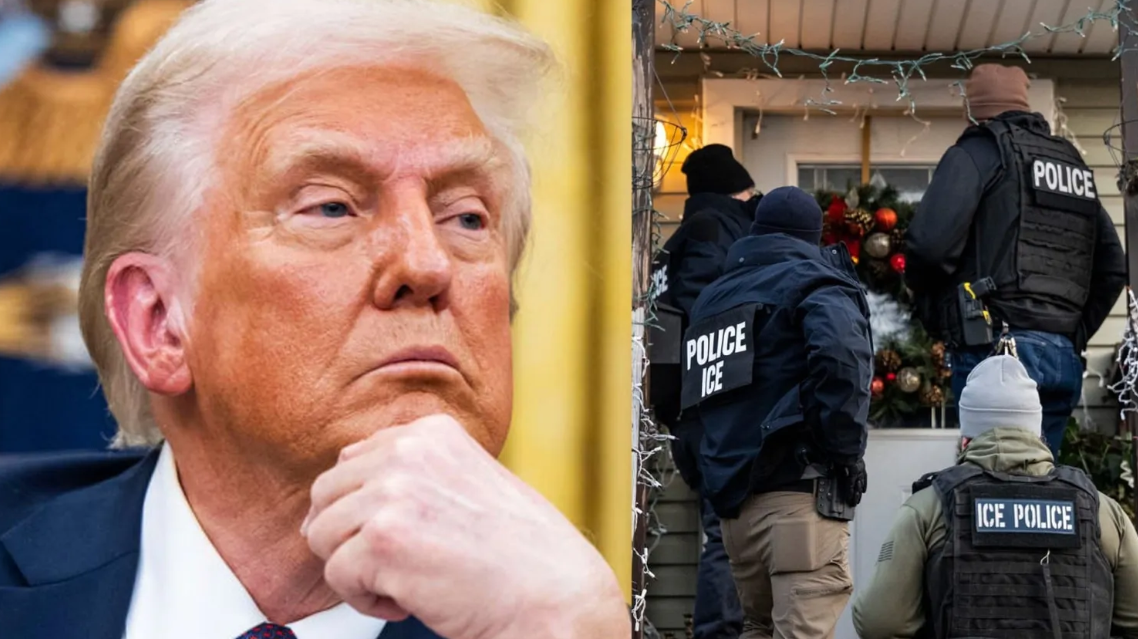
In early September 2025, a major raid by the U.S. Immigration and Customs Enforcement (ICE) at a Hyundai-LG electric vehicle battery plant in Ellabell, Georgia, drew widespread attention in both the United States and South Korea. About 475 workers were arrested in the raid, including more than 300 Koreans.
Events and reasons for delaying the return

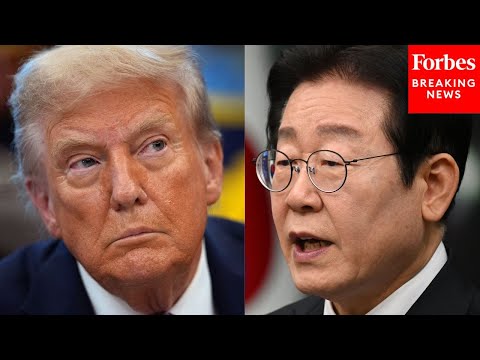
Immediately after the arrest, the workers were scheduled to be returned to South Korea. However, President Donald Trump postponed their return to consider another option: allowing these Korean technical workers to stay in the United States temporarily to train American workers, imparting expertise and skills that the United States currently lacks.
The decision to delay the return reflects what the Trump administration sees as a necessary balance between enforcing immigration laws—arresting those who work illegally, overstay their visas, or violate regulations—and maintaining and developing America’s industrial capacity in new industries. Trump and his officials argue that if foreign companies invest in the United States, they should be allowed to legally import highly skilled workers, but with a responsibility to “hire and train Americans.”
Reaction from South Korea and the results
South Korea has strongly protested the arrests as well as the procedures and images of the shackled, escorted workers. The Seoul government has demanded that the United States return its citizens quickly and ensure their rights.
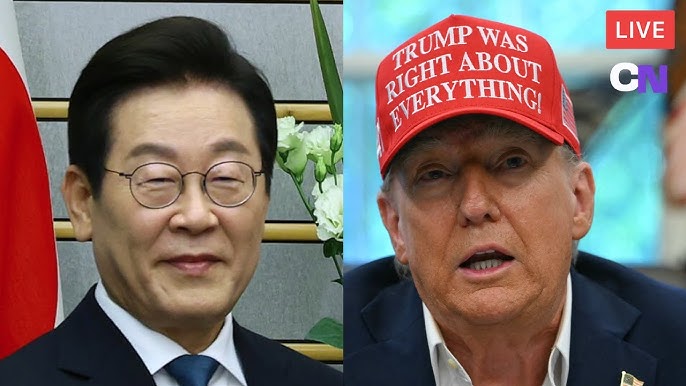
Ultimately, after diplomatic negotiations, more than 300 South Korean workers were released and arranged to return home on chartered flights. A small number of people choose to stay for family or personal reasons.
Notable points and controversies
Immigration law vs. economic interests
The raids and arrests of workers are aimed at enforcing immigration and employment laws. However, the delay in repatriation shows that the US government is aware that being too rigid could affect foreign investment flows, especially in high-tech industries that need engineers and highly specialized experts.

International reputation and alliance relations
The images of arrests, shackles, and workers being handed over to ICE have hurt and upset South Korea – a strategic ally. This approach could reduce the confidence of foreign companies when deciding to invest in the US if there are concerns about the possibility of unexpectedly strict immigration laws.

The reality of human resources in new industries in the US
The US is facing a shortage of skilled workers in industries such as electric vehicle battery technology, electric car manufacturing, and many other high-tech fields. Invite foreign experts to play a role in training local workers, which Trump has emphasized as part of his industrial development strategy.
Risk of affecting investment
This move could make Korean companies and other countries reconsider expanding production in the US, if there is a risk of workers being detained due to administrative errors, visa paperwork, or rapidly changing immigration laws.
Trump’s desire to retain Korean workers arrested by ICE to train American workers – instead of immediately sending them back – reflects an inherent contradiction between strict immigration policy enforcement and the need for industrial development and high-tech human resources. Although the intention was to optimize domestic labor resources, the way it was implemented has caused diplomatic tensions, affected allied relations, and raised many questions about labor rights, legal safety of foreign workers and the impact on investment.