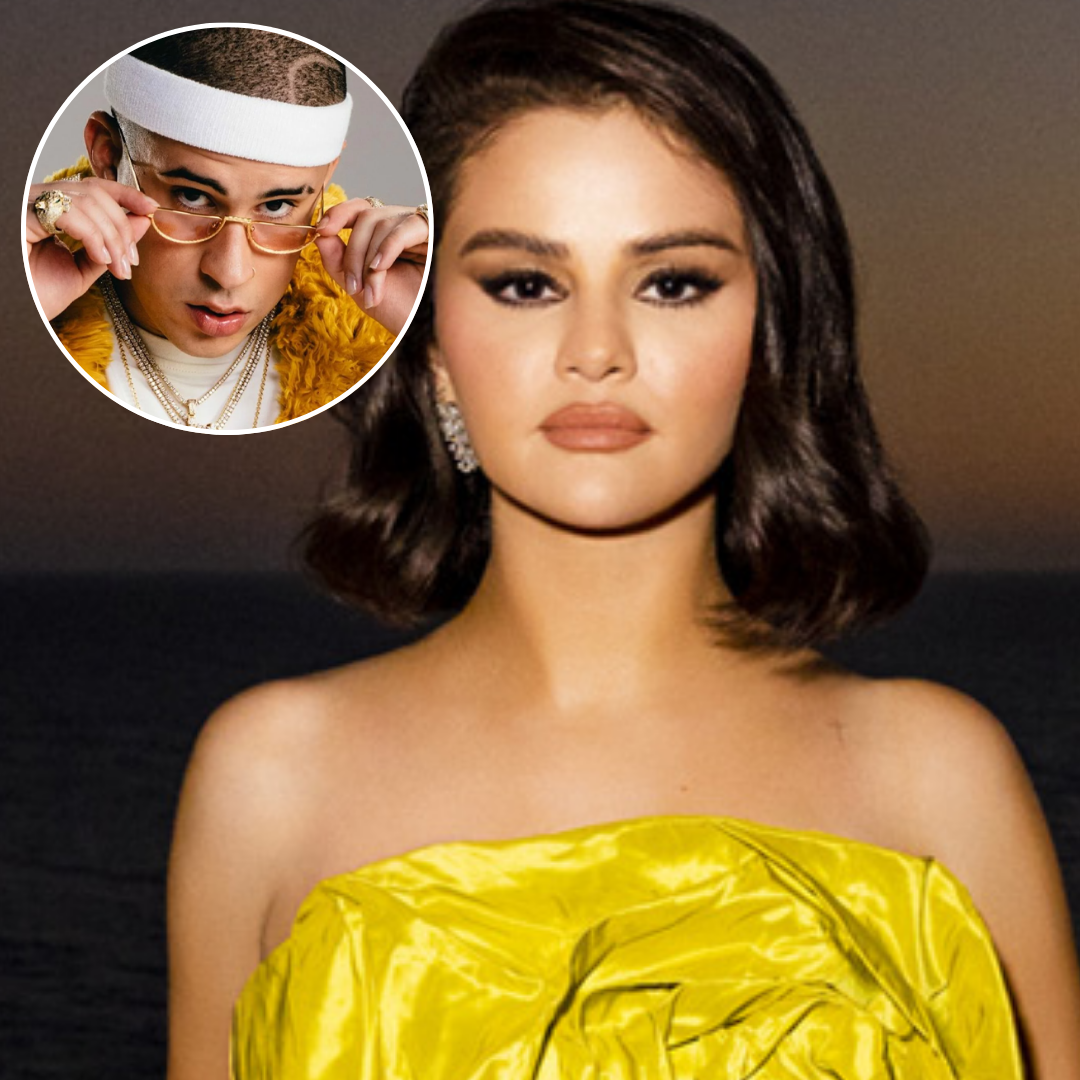
The Super Bowl – America’s most anticipated annual sports and entertainment event – has unexpectedly been caught up in a wave of controversy this year. The cause was not the game itself but the musical performance during the halftime break. The name that caused the stir was none other than Bad Bunny, the Latin music star who is taking the world by storm. But what stirred up public opinion the most was the recent statement by Selena Gomez, who publicly expressed her strong opposition to a non-English artist appearing on the Super Bowl stage.

In a conversation that went viral on social media, Selena Gomez did not hesitate to be frank: “It’s ridiculous that non-English songs are being performed on one of America’s most anticipated television shows. This is an iconic event, and I think only English songs should appear.”
Not stopping there, the singer also emphasized her personal freedom when saying: “I have the right to declare that the Super Bowl must remain American. I am not against Latin culture, but I do not accept that American audiences are forced to listen to a language that most of them do not understand.”
This statement immediately sparked a huge wave of controversy. On Twitter, Facebook and Instagram, fans were clearly divided into two factions. One side agreed with Selena, saying that the Super Bowl is truly a stage for American culture and that letting other languages dominate the airwaves was inappropriate. One user commented: “I am a Bad Bunny fan but I understand Selena. This is the American Super Bowl, not the Latin Grammys.”
On the contrary, many opinions strongly criticized, saying that Selena Gomez’s statement was discriminatory and disrespectful of cultural diversity. Many viewers emphasized that America is a “cultural melting pot”, where all languages and ethnicities coexist. “If Shakira and Jennifer Lopez were able to shine with their amazing Spanish performances at the 2020 Super Bowl, why can’t Bad Bunny?” – a fan argued.
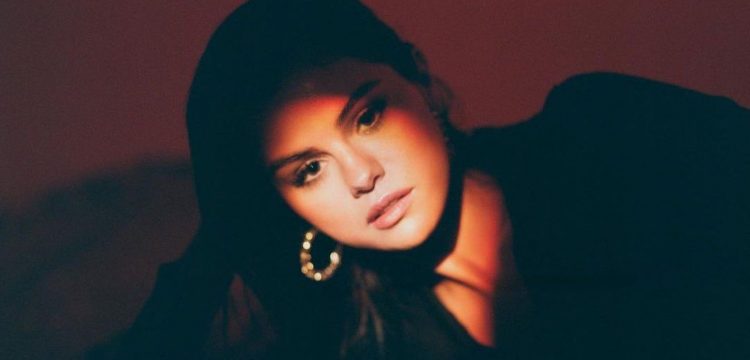
Interestingly, Selena Gomez herself is of Latin descent, her father is Mexican. Therefore, many netizens think that this statement is even more confusing and self-contradictory. Some even accused Selena of “denying her roots”, when she herself has performed many Latin-influenced songs in her career.
Bad Bunny himself has remained silent in the face of the storm. But the American media is not standing still. A series of major newspapers such as Billboard, Rolling Stone and New York Post simultaneously published news surrounding Selena’s shocking statement, making this topic the hottest trend on social media for many days.
This incident also raises a big question: Should the Super Bowl only be a playground for English music, or should it be expanded to reflect the diverse nature of modern America? If we continue to restrict language, is the Super Bowl locking itself in a closed box?

Personally, I think Selena Gomez’s statement may reflect a fear of losing identity, but the way she said it is too extreme and lacks sophistication. Music is a global language, knows no borders, and it is diversity that makes American culture strong. Bad Bunny or any other artist deserves to stand on the Super Bowl stage if they bring entertainment value to millions of fans.
One thing is for sure: this incident will continue to be controversial until the Super Bowl officially takes place. And whether you agree or disagree, Selena Gomez has successfully turned herself into the hottest name in the media at the moment.