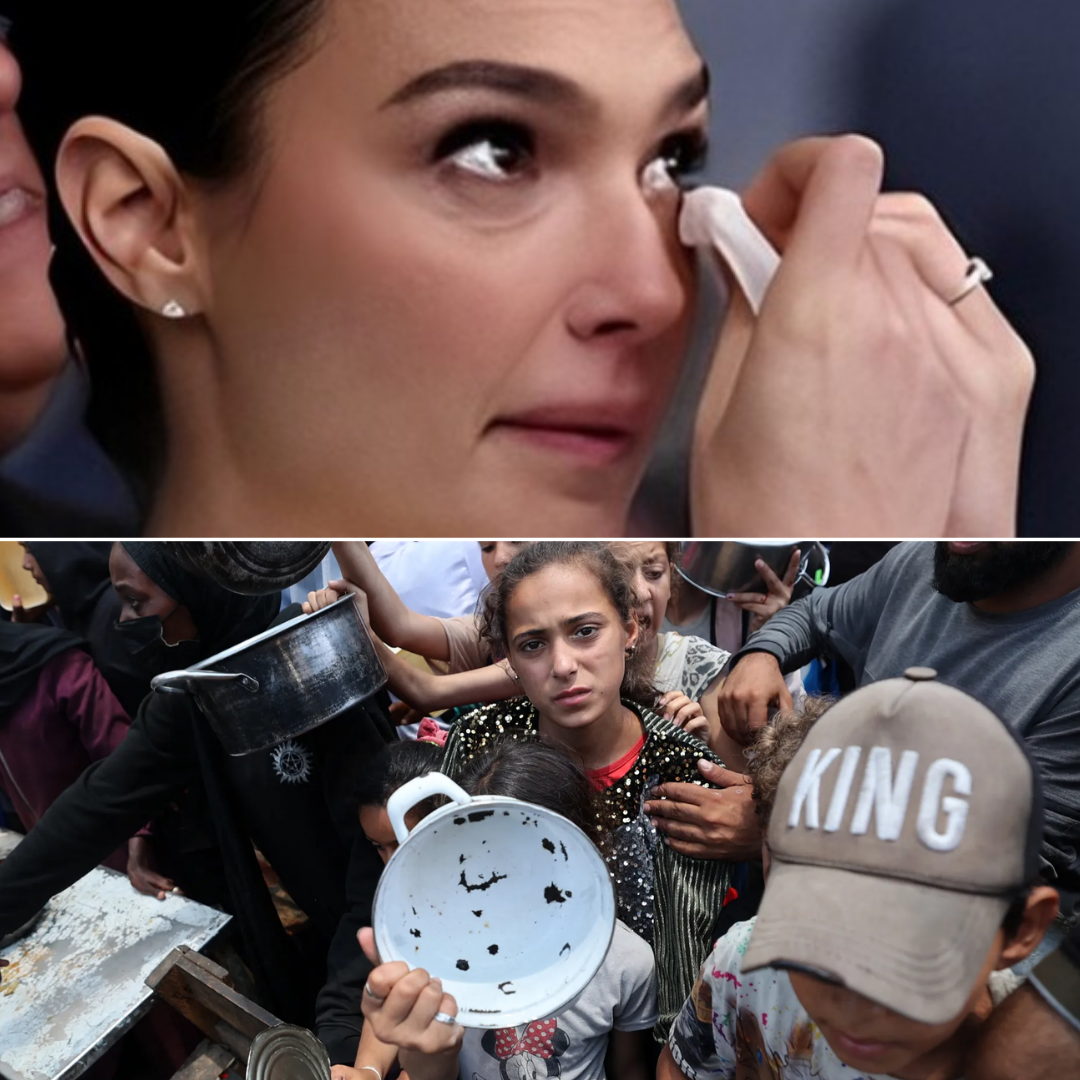
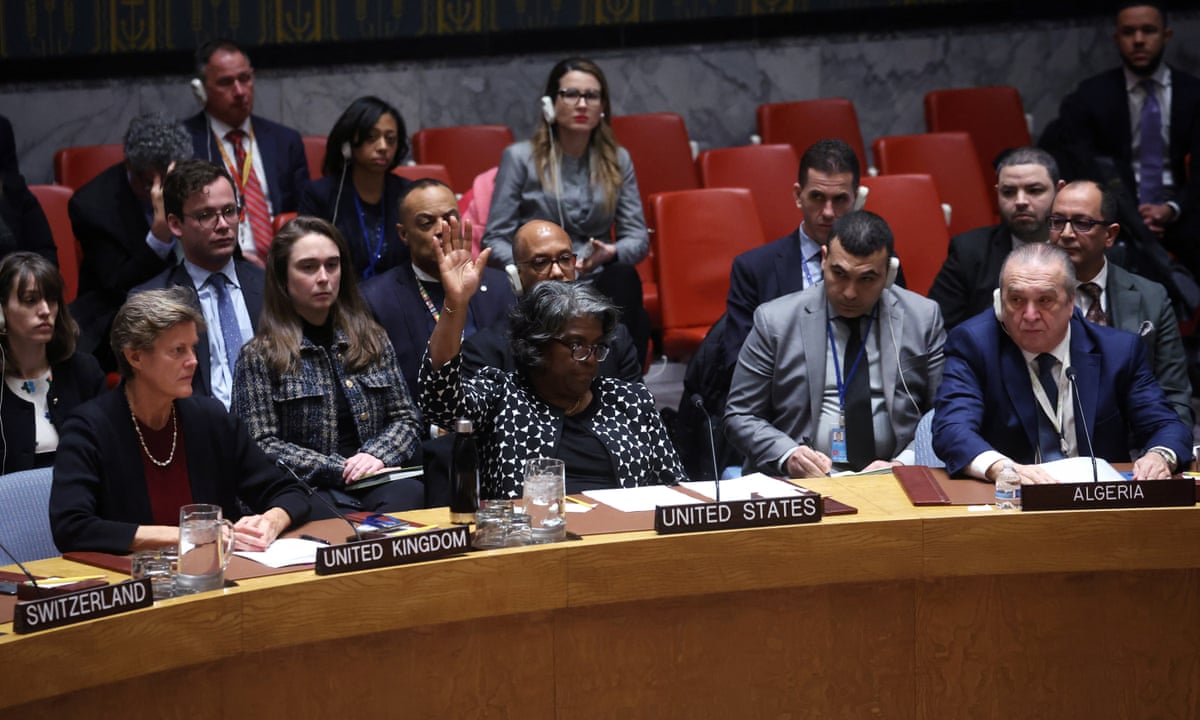
Amid escalating tensions in the Middle East, the United Nations Security Council has once again witnessed deep divisions. On Thursday, the US continued to use its veto power to block a resolution calling for a humanitarian ceasefire in Gaza. This move not only caused outrage in the international community but also made many people question: why is Washington so determined to protect Israel to the end, despite a wave of global criticism?

What has attracted more public attention is the silence of Gal Gadot – the actress famous for her image as Wonder Woman, who is also a daughter of Israel. While a series of artists, activists and politicians around the world have spoken out calling for peace, Gadot seems to have chosen to avoid it. That silence has led many to believe that she is secretly supporting the hardline policies of the US and Israel, or at least does not want to face the cruel truth in Gaza.
The big question is: Is Gal Gadot silent because she is protecting her personal image, or is she truly standing up for her country, regardless of international public opinion? Many opinions say that Gadot, with her global influence, can absolutely use her voice to call for peace. But the fact that she did nothing has only made the wave of anger directed at her even more intense.

In fact, Gadot has publicly expressed her love and loyalty to Israel many times. Over the years, whenever conflicts arise, she often makes statements to protect her homeland, even being accused of “bias” for only looking at the problem from a one-sided perspective. Therefore, her silence this time is seen as a calculated choice – keeping enough distance to avoid direct confrontation with Hollywood and international audiences, but also not condemning Israel so as not to lose her image in the eyes of her compatriots.
That silence becomes “scary” because it shows the power of avoidance. When a star of Gal Gadot’s stature – a feminist icon, a symbol of justice on screen – chooses to remain silent in the face of a humanitarian crisis, it unintentionally creates a dangerous void. Fans ask: is the image of Wonder Woman only limited to movies, while in real life, Gadot chooses to turn her back on those who are suffering?

Meanwhile, the US’s decision at the United Nations continues to be heavily criticized by the international community. Countries calling for a ceasefire consider Washington’s veto action as “supporting war” and “blocking the opportunity to save the lives of thousands of civilians”. In that context, Gal Gadot’s silence makes public opinion feel even more unjust and indignant.

From a personal perspective, I think Gadot has the right to remain silent, but silence is also a message. It shows that she prioritizes protecting her position and personal interests rather than engaging in a risky debate. However, in the public eye, silence in the face of human suffering is never a beautiful choice.
And perhaps this is the greatest paradox: a person who was once hailed as a “symbol of justice” on screen, has now become a symbol of silence. Gal Gadot may think her silence is wise, but to many, it is only evidence that she is avoiding the truth – or worse, secretly protecting what cannot be protected