The upcoming Venice Film Festival is facing mounting pressure from activists and film professionals over its handling of the war in Gaza. More than 1,500 Italian filmmakers have signed a petition under the Venice4Palestine banner, urging the festival to take a stronger stance.
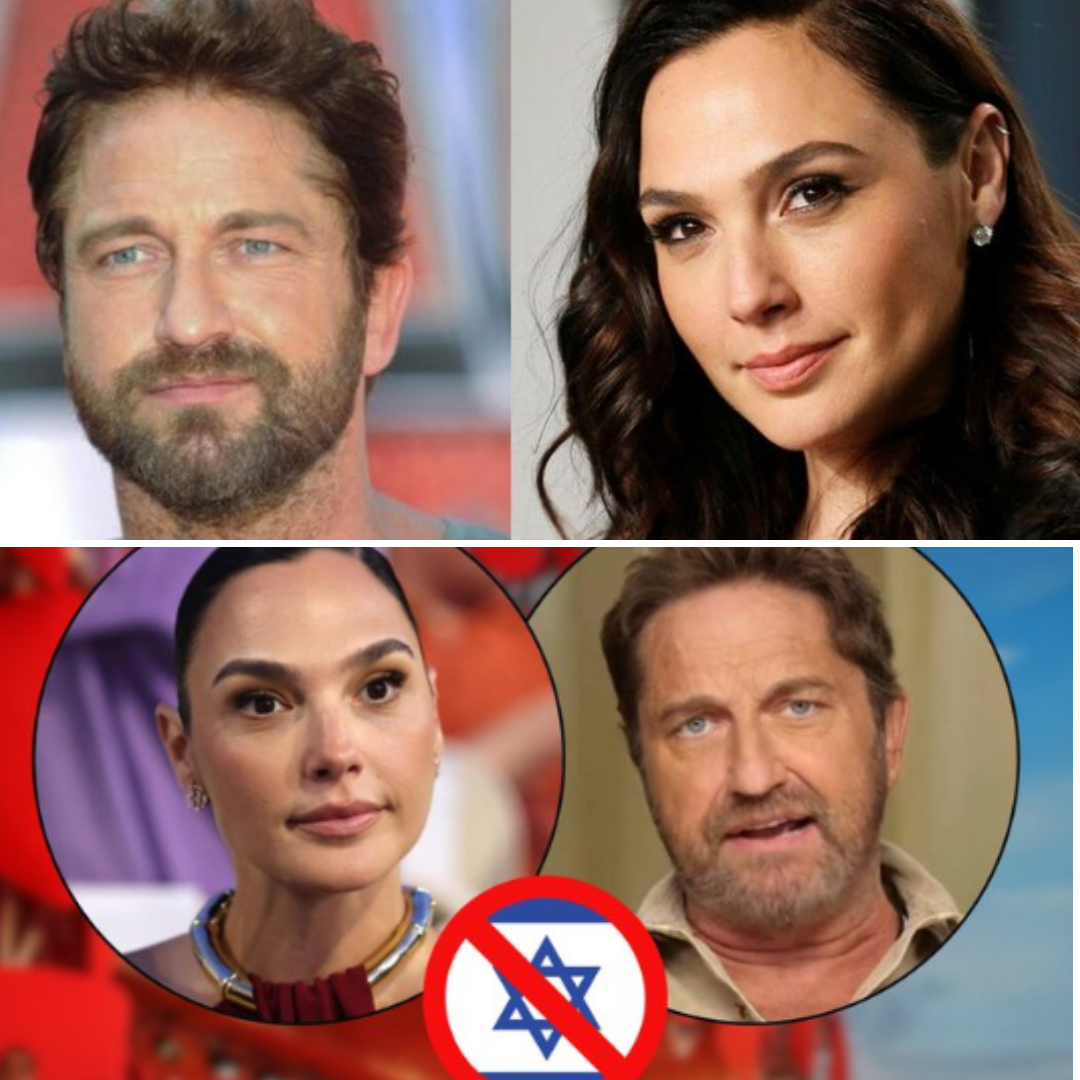
Campaigners demanded the removal of Hollywood stars Gerard Butler and Gal Gadot from the lineup, citing their public support for ‘Israel’.
A representative of Gadot claimed she was never officially scheduled to attend. Butler, however, is expected to appear for the premiere of In the Hand of Dante, which also stars Gadot, Oscar Isaac, and Al Pacino.

Organizers of an August 30 protest march in Venice say they aim to “denounce Israel’s genocide in Gaza” and accused the festival of silence on Palestinian suffering.
The Biennale has defended itself, pointing to films like The Voice of Hind Rajab in this year’s program, though activists dismissed the response as insufficient.
Reuters has stopped disclosing the whereabouts of its reporting teams in Gaza to the Israeli Occupation Forces (IOF), citing the growing toll of journalists killed during ‘Israel’s’ ongoing assault on the enclave.
The decision followed an ‘Israeli’ strike last Monday on Nasser Hospital in Khan Younis, which killed 22 people, including five journalists. Among them was Reuters cameraman Hussam Al-Masri, who frequently operated the agency’s live broadcast position from the hospital’s rooftop.
A Reuters spokesperson told NBC News that in the early months of the war, the agency, along with other outlets, provided the IOF with the locations of its teams “in an effort to ensure they would not be targeted.” That included repeated notifications that journalists were working from Nasser Hospital, where strikes were later captured on video by Al Ghad TV.

“We subsequently desisted from giving precise coordinates of our teams after so many journalists were killed in IDF strikes,” the spokesperson said, noting that Reuters had been running a live feed from the hospital for the past 18 months.
When asked about the agency’s statement, the IOF responded it had “no further comment beyond the statement that has been put out.” Prime Minister Benjamin Netanyahu described the incident as a “tragic mishap.”

The IOF later claimed that troops had identified a camera at the hospital “being used to observe its troops in order to direct terrorist activities against them,” adding that forces acted to “remove the threat.” However, journalists at the scene insisted there was only one camera on the rooftop, the Reuters live feed. A Hamas official also denied having cameras in the area.
The IOF said it had opened an investigation into what it called “several gaps,” including the authorization process for the strikes. It provided no evidence for its claim that Hamas was operating equipment from the hospital.
The Committee to Protect Journalists (CPJ) reports that 197 journalists have been killed in Gaza since ‘Israel’ launched its campaign less than two years ago, making it the deadliest genocide for media workers since CPJ began documenting such cases.
New details have since emerged about Monday’s attack. Initially believed to be a “double tap” strike, a tactic where a site is hit twice in rapid succession to target rescuers rushing to the scene, analysis of video evidence by NBC News found that at least four munitions were fired at the hospital complex.
Footage shows two projectiles hitting the fourth-floor staircase in quick succession at 10:17 AM, following an earlier strike. Weapons expert and war crimes investigator Chris Cobb Smith, who reviewed the footage, said the projectiles clearly appeared to be missiles.
Gaza has been largely sealed off from foreign press since October 7, 2023, with journalists only allowed in under IOF escort. That has left local Palestinian reporters and camera crews as the primary eyes on the ground.
Dr. Mohammed Saqer, director of nursing at Nasser Hospital, said the IOF could not have been unaware of the journalists’ presence.
“It’s not a secret place. It’s like a clear place, obvious place. Everyone can see this place. Even the Israeli army, by their own drones or by their own cameras, they can see Hussam and other journalists working from the fourth floor. So it’s not a secret,” Saqer said.
He added that the IOF had the hospital’s contact information and could have reached out before carrying out the strike.
“The IDF knows our numbers. Yes, sometimes they call us. So if the IDF has any objection about the presence of Hussam and other journalists on the third floor, on the fourth floor, I think they could have contacted us and we could have fixed the issue.”