BBC reported 30 minutes ago that the incident of Texas Representative Nicole Collier being detained on the grounds of the State Capitol has caused a wave of outrage and fierce controversy. Many opinions say that this is not simply a “disciplinary measure” within the political arena, but also an act of racial retaliation, going against the democratic and fair values that America is always proud of.

Background of the incident
According to initial information, Ms. Collier – a black congresswoman of the Democratic Party, refused to sign a mandatory agreement drafted by the Republican faction in the Texas House of Representatives. This agreement is said to be imposing and restricting the political freedom of opposition congressmen. After her refusal, she was “forced” to be detained in the Capitol building, on the grounds of violating parliamentary discipline.

However, many witnesses asserted that this action was like a form of illegal arrest. Because Ms. Collier has not been charged with a crime, nor is there a court order authorizing her detention. It is considered unconstitutional for a sitting congresswoman to be held against her will in the House of Representatives.

Controversy over racial factors
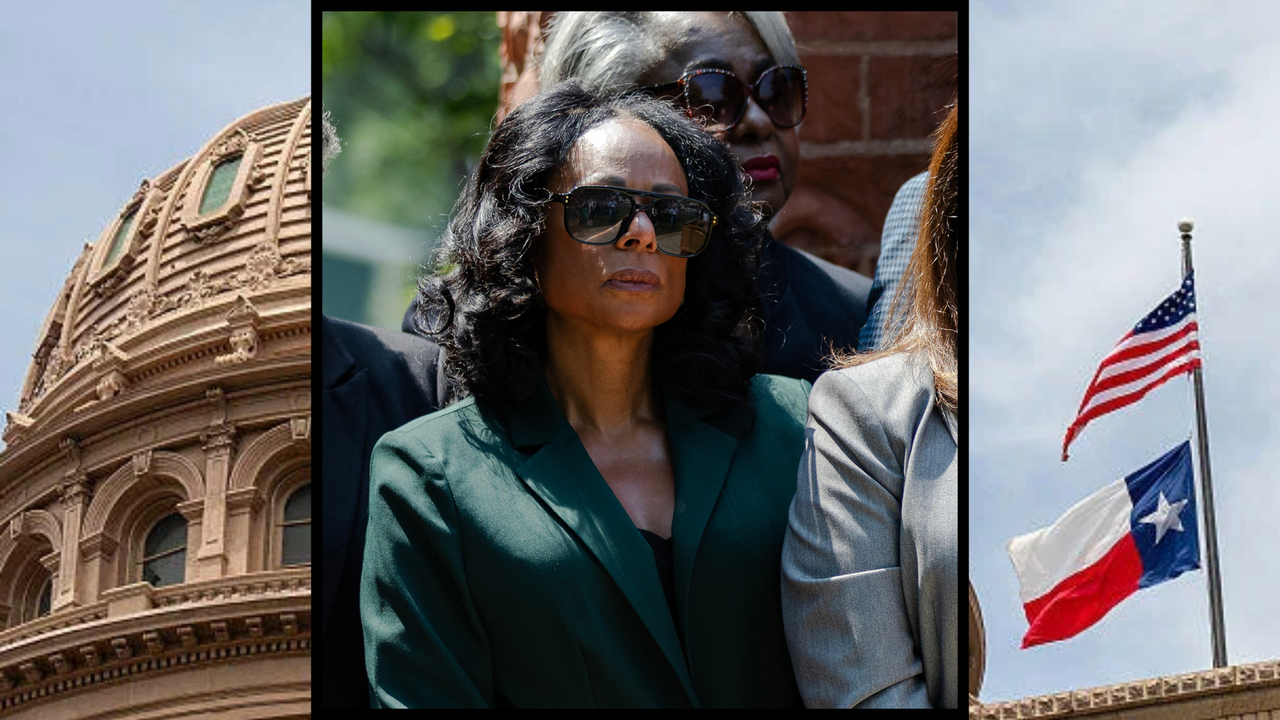
Nicole Collier is one of the representative faces of the black community in Texas, often speaking out against policies that are considered racist. Therefore, the fact that she was targeted this time has raised the question: Is this intentional racial retaliation?
Some political analysts say that in the context of Texas witnessing fierce tensions between the two parties, the use of coercive measures against a female congresswoman of color carries a very clear political message. It is not only a personal oppression but also a deterrent to all voices of resistance in the minority community.

Legal experts say that Ms. Collier’s detention is a direct violation of civil rights protected by the US Constitution. Every citizen, including congressmen, has the right to freedom of movement, the right to political expression and the right not to be detained illegally.
If Ms. Collier sues the Speaker of the Texas House of Representatives and even the US President, this could become a historic civil rights case, sparking many debates about the power of parliament and the inviolability of representatives.
How has public opinion reacted?
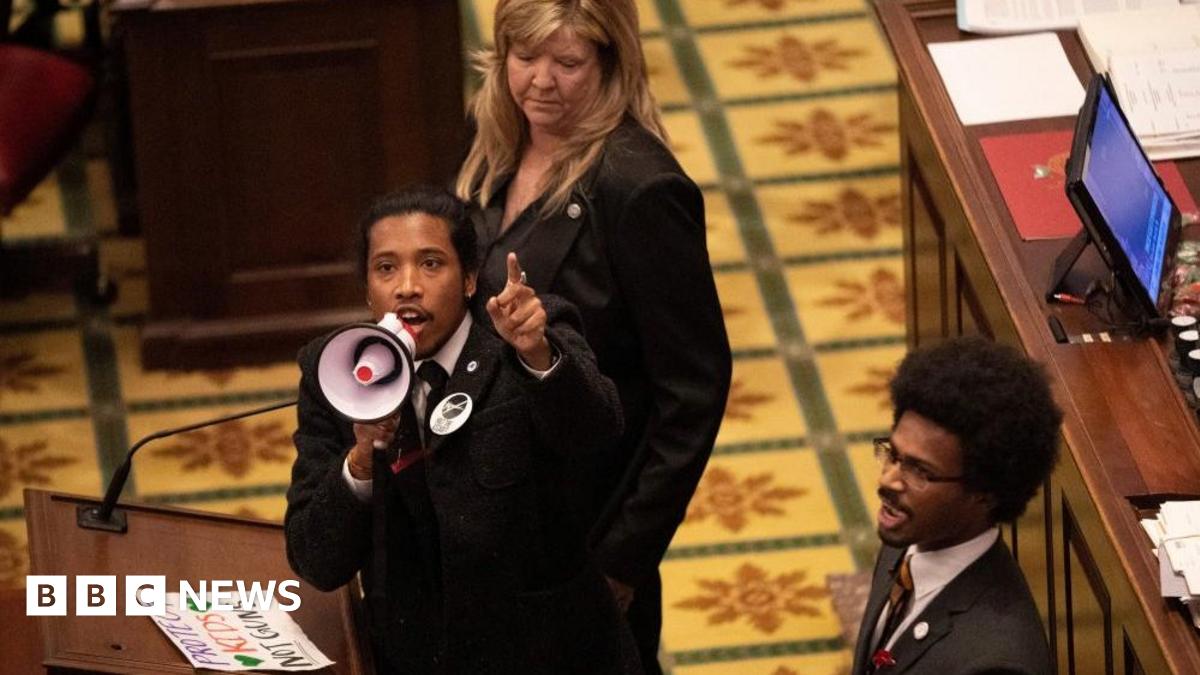
Thousands of people have expressed outrage on social media. Hashtags like #JusticeForCollier and #CivilRightsMatter are spreading. Many people believe that this action is a “stain” on American democracy, especially when it occurs in a state that has been repeatedly criticized for racism and restrictions on voting rights.
Some human rights activists have compared the case to dark periods in American history, when the voices of people of color were often silenced by violence or abuse of power.
Conclusion
The detention of Nicole Collier is not only a domestic story in Texas, but also raises a major question for American democracy: Are the civil rights of lawmakers – especially those from minority communities – truly respected?
If Ms. Collier decides to sue, the case will certainly become a national focus, perhaps even spreading into a debate about power, race and justice in the United States.